


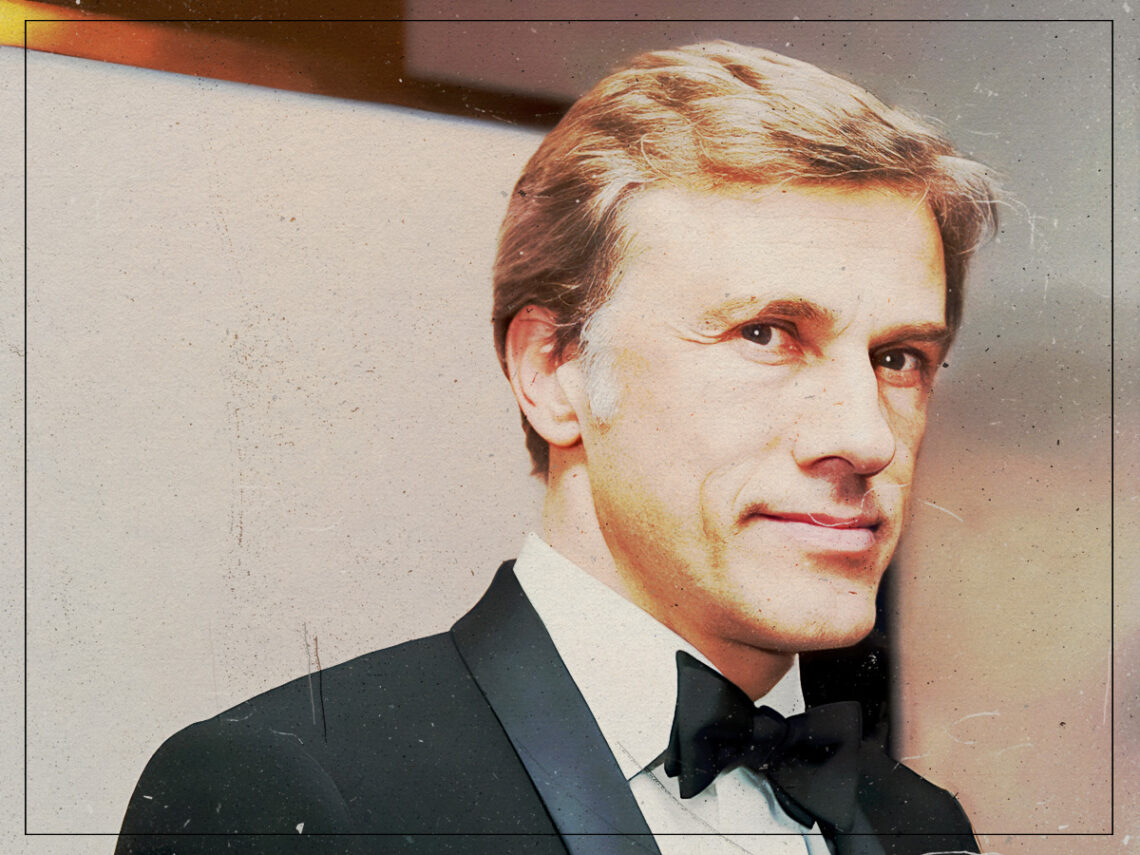
Christoph Waltz on the qualities required to be an Oscar-winning actor

I think it’s fair to say we are all united in the belief that Christoph Waltz is a brilliant actor. His numerous roles over the last 20 years have seen the star display a versatile and dynamic range as an actor, though it’s certainly Waltz’s ability to comfortably and naturally exude a sense of malevolence that murmurs under every performance, making him such an alluring figure for directors to work with. It’s undoubtedly a quality that Quentin Tarantino saw when casting him in his wartime romp, Inglorious Basterds.
The role was a kick-down-the-doors-of-the-saloon moment for Waltz, presenting his grand entrance onto the silver screen. The Austrian-born actor was a relative unknown before stepping into the shoes of Colonel Hans Landa, the villainous, charming, and bilingual Nazi Jew hunter that had all the hallmarks of a great Tarantino character. It was a role that won the actor an Academy Award for ‘Best Supporting Actor’ that year. The pair joined forces once again when Waltz starred in Tarantino’s hilarious slavery-western revenge yarn, Django Unchained.
Waltz’s deft hand at playing the evil and unscrupulous led him to take on what is perhaps the pinnacle of such roles, playing a Bond villain, Blofeld, in 2015’s Spectre. Of course, Waltz hasn’t only played the bad guy; he also featured in Roman Polanski’s Carnage, a film about two sets of parents that try to settle a dispute in a civilised manner but end up warring with one another, which also starred Kate Winslet, Jodie Foster, and John C Reilly. Waltz was also extremely funny and excellent as the entrepreneurial playboy in Alexander Payne’s sci-fi comedy Downsizing.
However, even with so many facets to the actor’s ability, Waltz treats every role the same and picks films based on the story and not the part he plays. When asked by The Talks about his incentive to play a villain or not, Waltz had this to say: “That’s not something I think about. Whether someone is a villain or not, that’s up to the audience to decide, not me.”
The reason Waltz became an actor is also unusual; he doesn’t mention a particular film he saw growing up or a particular childhood experience. Instead, he says, “It has nothing to do with passion” but instead out of desperation and necessity: “What keeps you going is stubbornness, economic necessity, or simply endurance,” he said. “Passion will, at most, lead to frustration but not to perseverance. For that, you don’t need passion; you need persistence.”
Waltz continued to say: “I didn’t know how else I would make a living. I couldn’t come up with anything else. It’s the same in anything, for that matter, whether it’s a job, a relationship, or even a hobby that you follow for your amusement: eventually, you get to the point where perseverance is what’s needed, not passion if you want to get ahead.”
It’s an intriguing perspective and refreshing to hear that his drive doesn’t come from a burning artistic desire but rather pure necessity. It’s perhaps this detachment from his profession and the roles he encumbers that offers such a unique and singular performance and makes Waltz such an exciting actor to watch.

Never Miss A Take
The Far Out Quentin Tarantino Newsletter
All the latest Quentin Tarantino content from the independent voice of culture.
Straight to your inbox.