


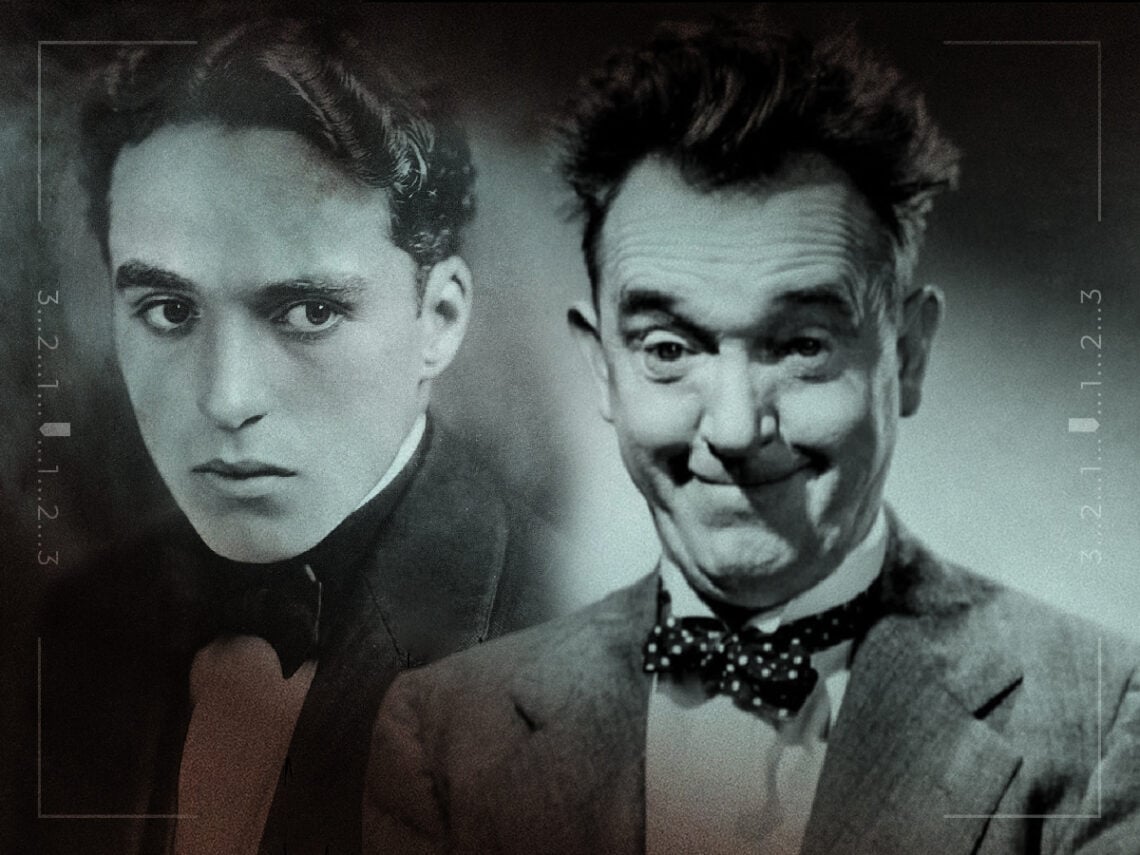
Why Charlie Chaplin and Stan Laurel owe their career to Nottingham

Nottingham might not be the most exciting city in England, but it does have some pretty great venues which have long welcomed some of the world’s biggest entertainers, from Bob Dylan and Nirvana to Charlie Chaplin and Laurel and Hardy.
Once the territory of Robin Hood and his merry men, the city even boasts several pubs claiming to be the oldest in the country. Essentially, it’s a city steeped in history, even if its defining features today are just a tram network and a decent array of shops (it’s got a pretty big Waterstones). At least venues like Rock City and Motorpoint Arena keep the city’s long-running history of performance alive; after all, if it wasn’t for a certain man who grew up performing around the city, we might not have those aforementioned comedic talents.
Before the days of feature films, music hall entertainment was incredibly popular, and it’s how many entertainers, like Chaplin, got their start. Over in Nottingham, impresario Fred Karno was making waves with his innovative approach to comedy, devising slapstick sketches that would inspire silent film stars in the coming years, and it was during his time as one of music hall’s dominant figures that he would discover Chaplin and Stan Laurel, bolstering their fame and inadvertently prepping them for the silver screen.
Karno, born Frederick John Westcott, moved to Nottingham as a young boy after his birth in Exeter, and it was here that he discovered his own talent for performance. He competed in fêtes as a gymnast and soon took an interest in the circus; before long, he was fully immersed in the world of entertainment, conjuring up the idea for silent slapstick humour as a way to bypass copyright and censorship issues.
Eventually, he moved to the capital to grow his empire as a pioneer, and it was here that he met some young wannabe stars, like Chaplin, although he wasn’t convinced by him at first. The teen had been performing alongside his family for several years, and it was his brother Sydney who initially took Karno’s interest, signing him up to his now-expanding comedy company, so while eventually the young Chaplin proved himself to be an impressive talent, it was under the tutelage of Karno, he blossomed into a popular star.
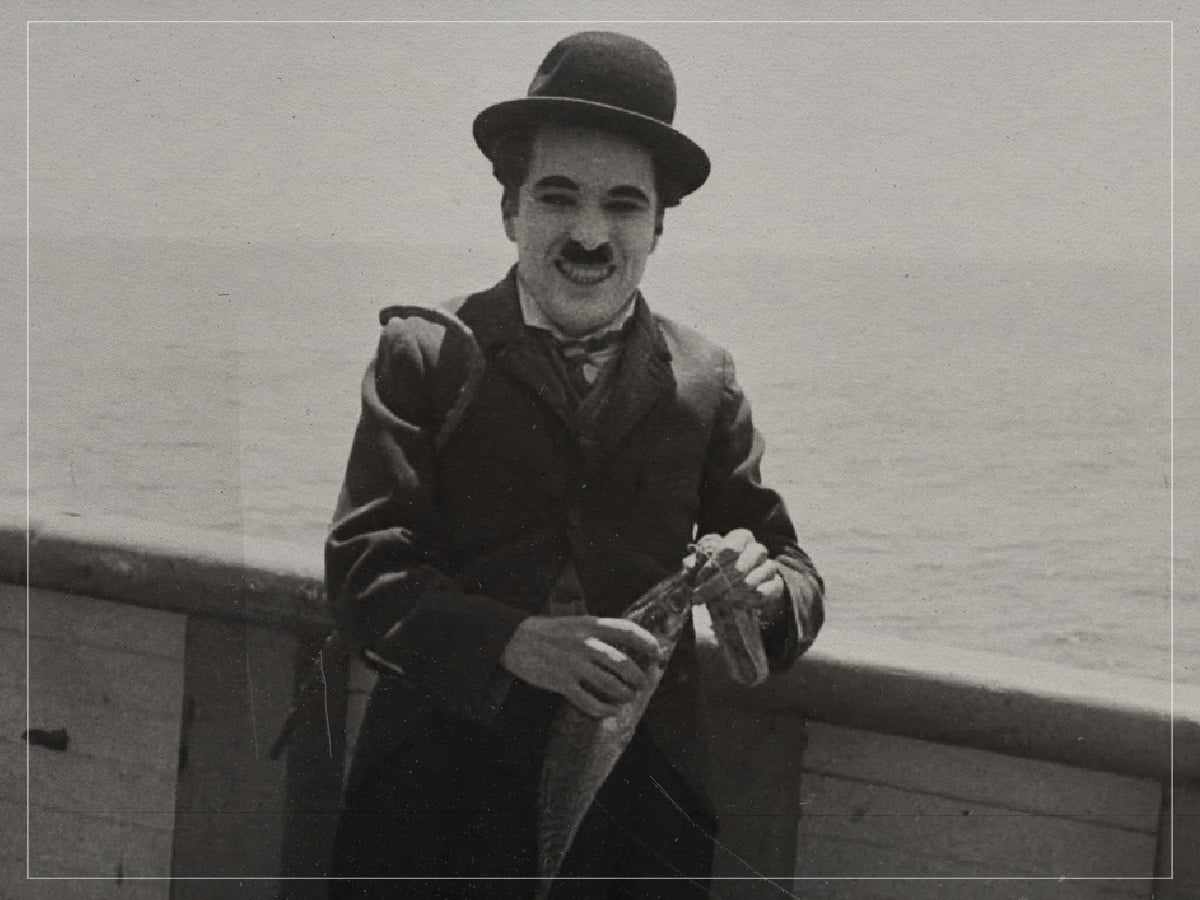
At the same time, Arthur Jefferson, who soon became known as Stan Laurel, was rising up the ranks of the industry thanks to Karno, who helped to nurture his talents. He was Chaplin’s understudy, but of course, he was more than just a comedian who existed in his shadow. In time, he would become one half of Britain’s most legendary double act, Laurel and Hardy.
Karno’s championing of Chaplin and Laurel proved to be his downfall, though, because soon they were wanted by Hollywood. The actors toured America together as part of the Karno troupe, but on their return to England, Chaplin was offered film roles by the New York Motion Picture Company, who wanted him to star in various Keystone Studios productions, an offer he took up, and his Tramp character was born, allowing him to become one of the most influential film stars of all time.
Without Chaplin, who knows what cinema and comedy would look like today, but without Karno and his comedic education and development across Nottingham music halls, the former might not have become famous at all. It was his utter faith in the star that made him known, paired with his own slapstick inventions (he even originated the pie-in-the-face), which would lead Chaplin to greatness. Meanwhile, Laurel appeared on the silver screen a few years later, soon finding significant success alongside his comedy partner Oliver Hardy.
They made countless films together, which left a significant impression on many comedians, actors, and writers, all of whom identified something seminal in the collaboration between the pair. Together, they were some of the most innovative comics to grace screens, finding success during both the silent era and the talkies as they bounced off each other and reminded audiences of the innate humour to be found in the everyday.
So, it all comes down to Karno, whose time doing the rounds in Nottingham, where he honed his comic skills across various venues in the city, resulted in the discovery of two of cinema’s most pioneering stars.
