


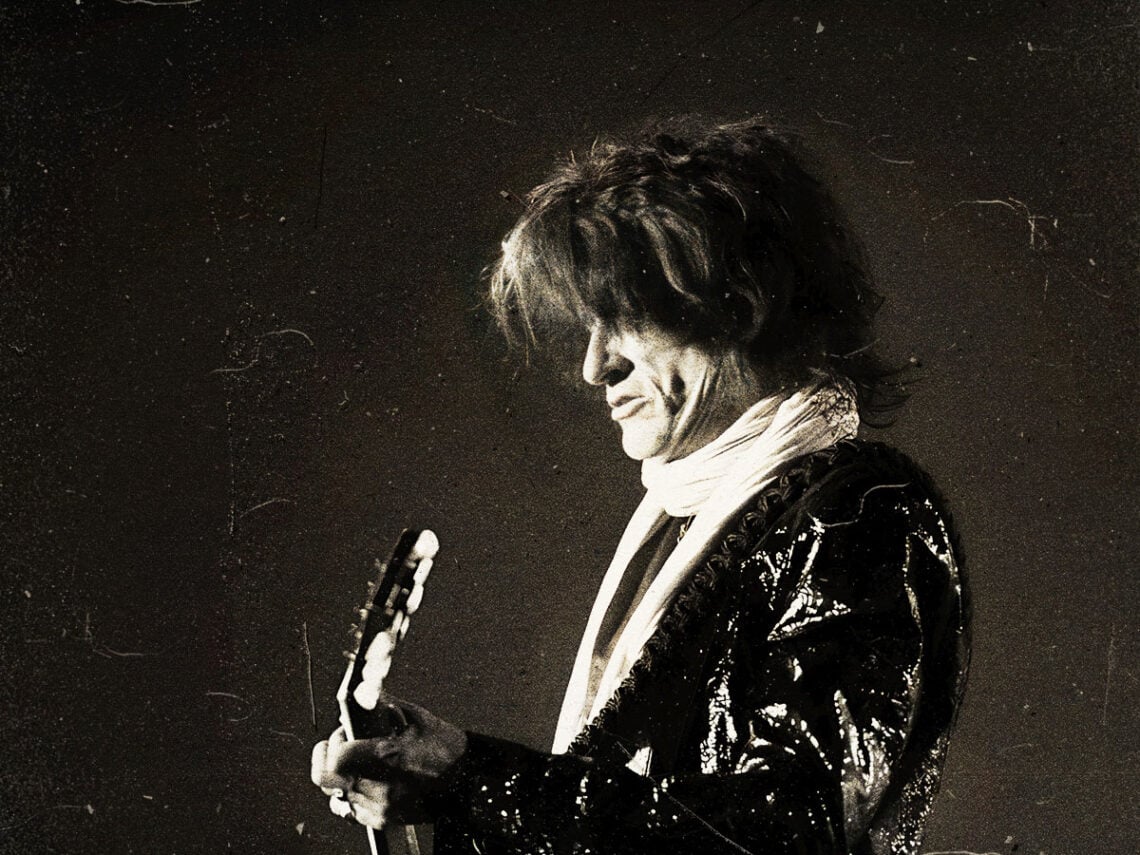
Why Aerosmith didn’t want Joe Perry in the band: “I have a huge ego”

Aerosmith might have put a deeply hedonistic spin on hard rock in the 1970s, but the frivolity of their peak quickly fell apart. Despite securing widespread influence and commercial success during this era, the band’s hard-partying lifestyle, which had earned frontman Steven Tyler and guitarist Joe Perry the nickname the ‘Toxic Twins’, began to negatively affect output and performances. Before too long, they would be crying over literal spilt milk and staring self-destruction in the face.
In 1979, Aerosmith started working on the fittingly named Night in the Ruts but decided to tour during a break from recording. It was on the road that it would become evident that they could not continue as they were. Drug use and personal tensions had created a complex mess that was quickly simmering to a boil. On July 28th, 1979, they headlined the World Series of Rock festival at Cleveland Stadium, and it was backstage that milk would be spilt, and a schism would occur that they would take years to recover from.
Backstage, Perry’s wife, Elissa, is said to have thrown a glass of milk at bassist Tom Hamilton’s wife, Terry. This was the proverbial straw that broke the camel’s back, and a heated dispute erupted between the guitarist and Tyler after the frontman took issue with his wife’s ill behaviour. After such a tense fight, Perry left Aerosmith and took some of the new music with him. He then formed his new outfit, The Joe Perry Project.
It’s safe to say that the lead guitarist leaving was a hammer blow. The Night in the Ruts tour saw their popularity wane markedly, and they played in increasingly diminished-sized venues. In a clear sign of the times, Tyler’s drug issues had become so debilitating that he collapsed during a show in Portland, Maine, in 1980 and did not get up for the rest of the set, figuratively crushed by circumstances. Elsewhere, the frontman suffered a serious motorcycle accident, and guitarist Brad Whitford left to start his own project. Ironically, that outing failed, but he linked up with The Joe Perry Project in 1984. Unsurprisingly, Aerosmith’s first album without their original guitar duo, 1982’s Rock in a Hard Place, remains their worst.
Before long, though, the original lineup started moving closer together, and backstage at a 1982 homecoming show in Worcester, Massachusetts, Tyler and Perry got high together for the first time in an age. A little bit later, a now divorced Perry and Whitford went to watch their old band, and only a few months after, the original Aerosmith had reunited. In 1984, the group embarked on the successful Back in the Saddle Tour and were about to take things up a gear and even surpass their original success.

1985’s Done with Mirrors was the first sign that things were changing, a gold-certified release, but it was 1986’s appearance on hip-hop act Run-D.M.C’s cover of ‘Walk This Way’ that resurrected the band and introduced them to a new generation. A series of global hits and wildly successful albums ensued, and against all odds, the group reasserted themselves at the top of the rock pile.
When sitting down with Charlie Rose in 1997, Tyler and Perry reflected on what occurred when the guitarist left the band nearly 20 years ago and offered some sobering thoughts. In the wake of such immense and revitalising success, they were well placed to do so, and Perry was very frank about his role in the matter.
He asserted that he didn’t want to be in the band, and his friends didn’t want him there anymore, either. Asked why he desired to leave, he said: “‘Cause I have a huge attitude”, and by his own admission, a bad attitude most of the time.
The guitarist explained: “‘Cause I have a huge ego. A bad attitude, most of the time, and, uh… Just hard to get along with, I think. And I think that, because of the cocoons we had built around ourselves, we weren’t speaking to each other; we let our dream escape us.”
Perry was spot on. The band had lost sight of their original motivation and let extraneous factors hinder them from following their dream. In a glaring demonstration of how not to act for new groups, they lost everything: credibility, fans, and even their label. They danced dangerously with total oblivion, and it remains astounding that they managed to evade it and secure the success of their lifetimes.
