


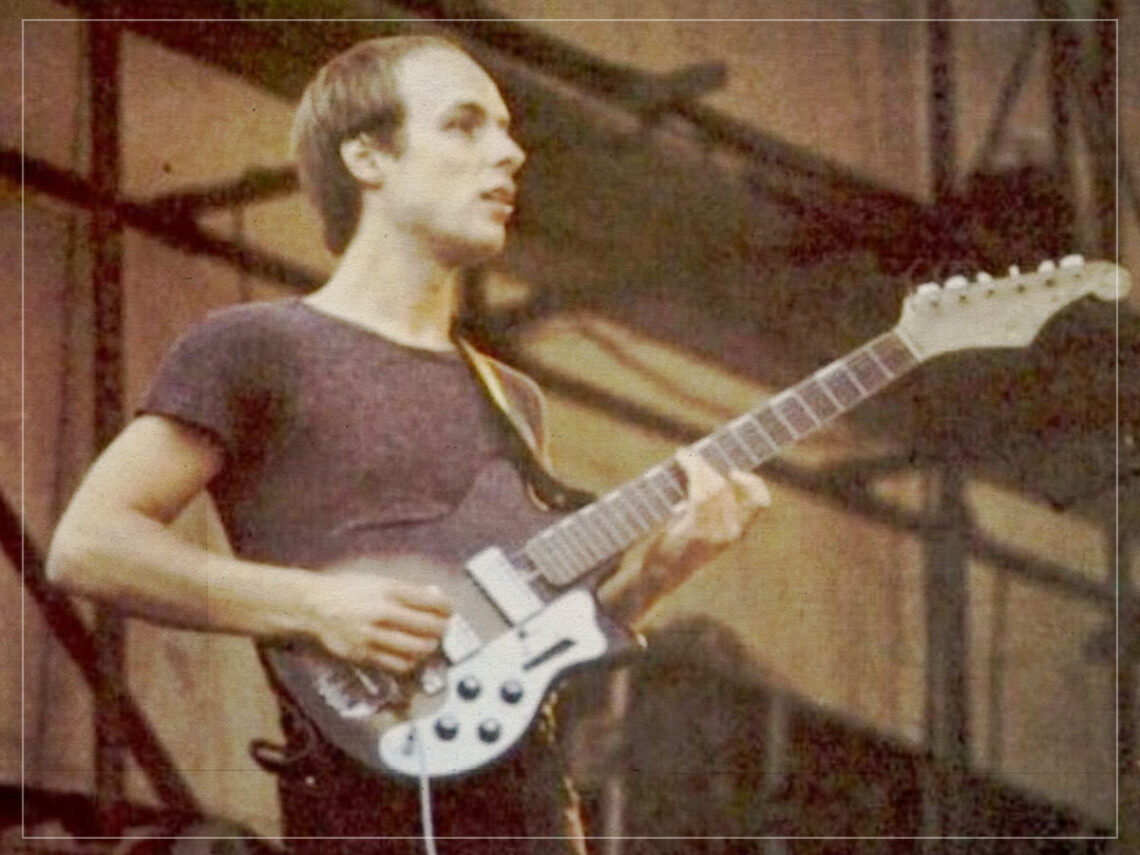
Who was the ‘Miss Shapiro’ that Brian Eno sang about?

Phil Manzanera’s 1975 track ‘Miss Shapiro’, co-written and sung by Brian Eno, is a song that asks more questions than it answers, such as, what on earth are these lyrics about?
More specifically, are the vocals buried so deep in the mix because Eno and Manzanera know they aren’t making any sense? If so, why didn’t they just lean into this being an instrumental so they could really accentuate those cool descending riffs, crazy bass line and great drumming? And of course, the titular question, who on earth is Miss Shapiro?
Despite the far-out and futuristic sound of the song, a lot of the lyrics seem to point to a more antiquarian story being told, with lines like “All the peasants in the squares at the tables and their chairs”, “over 40 pointed people in the careful, pointed steeple looked to see the lucky number” and “round in circles like the archers, always stiff and always starchy” read more like something out of Charles Dickens than lyrics written by one of the pre-eminent glam-rock/electronica musicians of his time.
It seems that there is an old world story being told in the song, dressed up in the sounds of the new world (various lines also speak to the future as much as to the past, with lyrics about burning forests invoking images of modern atrocities in climate change and a thread of fiscal worry running through the song feeling appropriate in our late stage capitalist hell), so it wouldn’t be surprising to find out that the song’s titular character was the historian Barbara J Shapiro, who dedicated a lifetime of research and writing to the study of humanism, religion, the crowd, law and language in 1500s to 1700s Britain.
Most of her major works on the topics, though, were released after the song, so it seems rather unlikely that Eno would have had her in mind when sitting down to write ‘Miss Shapiro’.
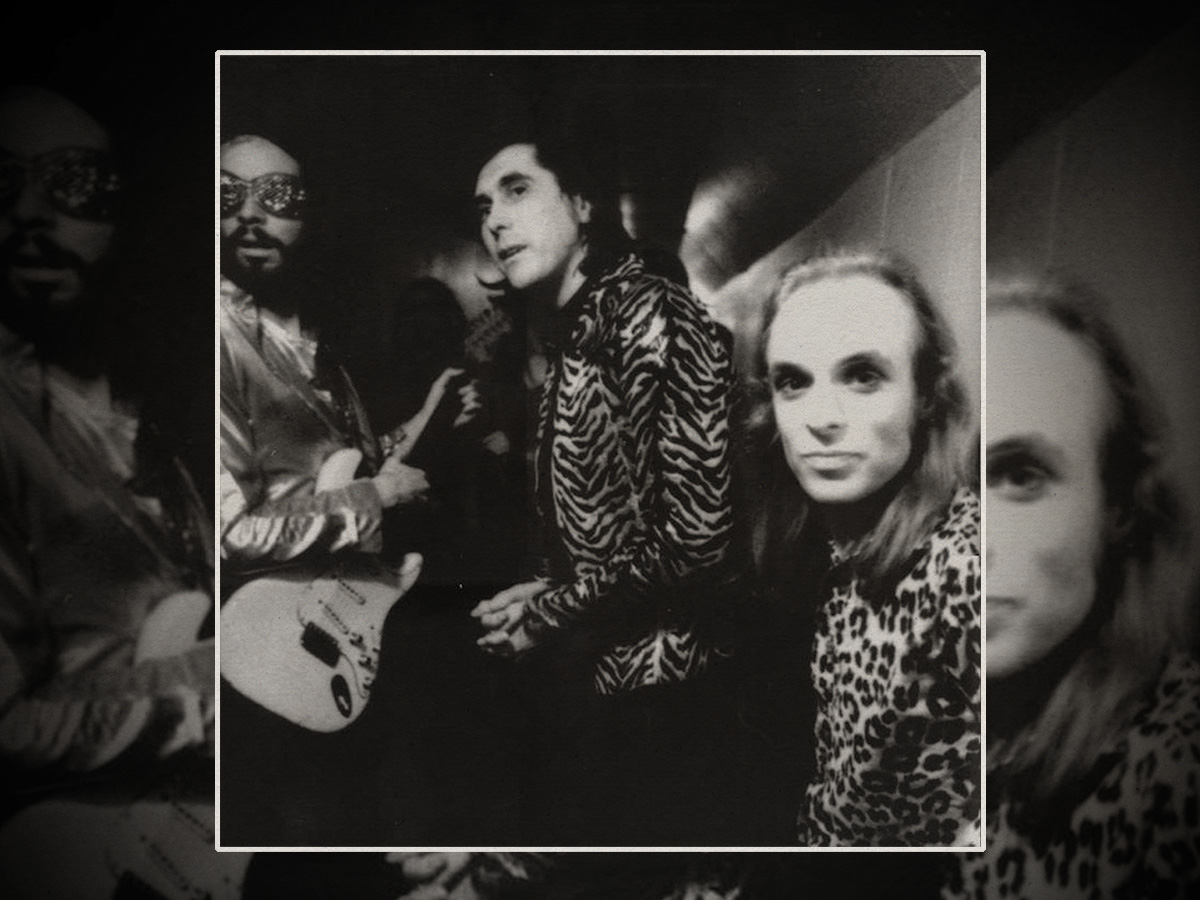
So, who was Miss Shapiro?
Much more likely to have caught his attention, though, was the far more famous Helen Shapiro, only two years Eno’s senior, who rose to fame far before the Roxy Music man had ever made his name. In fact, Eno was still in college in Ipswich when Shapiro was releasing her 1961 debut single, ‘Don’t Treat Me Like a Child’, at 14, which was rising to number three in the charts.
Before the year was out, Shapiro had hit the top of the charts with two more singles, ‘You Don’t Know’ and ‘Walkin’ Back to Happiness’, and saw further successes in both her music and the movies in 1962. A year later, she was the headline star on a 14-date tour which boasted ten supporting acts, including Dave Allen, Kenny Lynch, The Kestrels, The Honeys, Danny Williams and a fresh new group undertaking their first concert tour, called The Beatles.
Eno didn’t need to have read the works of Barbara J Shapiro to know that history was being written; during the course of the tour, Paul McCartney and John Lennon wrote the song ‘Misery’ for Helen Shapiro, and offered the number to her management, but it was rejected before the young singer could hear it to decide for herself if she’d be interested in making it her next single.
Unfortunately for Shapiro, she was soon being eclipsed by her former support group, and everything suddenly was demarcated as either being ‘before The Beatles’ or ‘after The Beatles’, with her being very much seen as the star of a pre-Beatles time. Not yet out of her teens, she was deemed to be something of a hangover from a previous and bygone time.
Perhaps that’s where she fits into the story of Phil Manzanera and Brian Eno’s ‘Miss Shapiro’, as no other popular figure from the recent past more perfectly embodied the push and the pull between the past and the present, which rages on the song between the music and the lyrics.
