


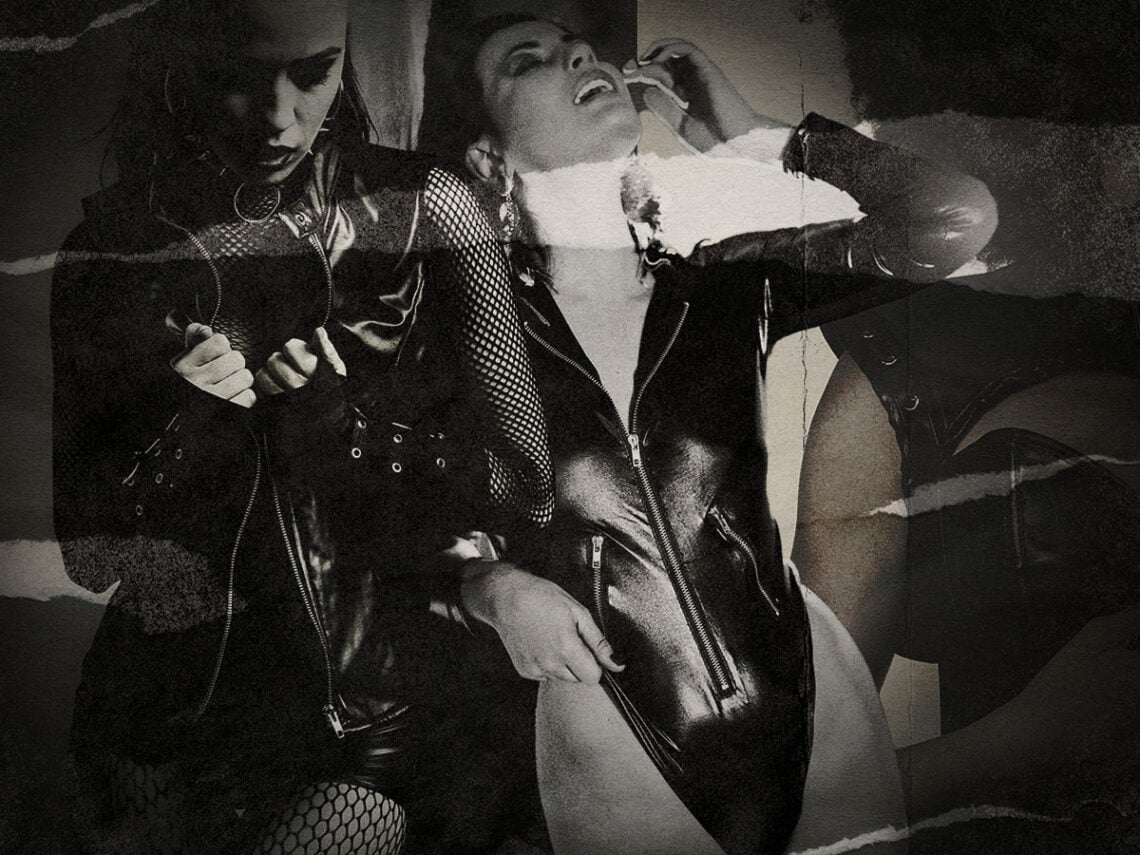
Who was the first rock star to wear leather?

Elvis Presley, during his ‘68 Comeback Special performance, was wearing a two-piece leather suit. Joan Jett and her button-studded leather jackets. The Ramones wearing near-matching leather jackets on the cover of their seminal debut, paired with torn denim. Jim Morrison in leather trousers that were seemingly inextricable from his body.
The presence of leather in rock culture has become intrinsic to the age-old sentiments of rebellion and abrasion that founded the genre in the first place, and the clothing material came about from humble beginnings.
The influence of leather coincided with the “Rockers”, also known as “leather boys” and “ton-up boys”, who were immersed in a subculture founded in rock ‘n’ roll and biker cultures in the United Kingdom in the late 1950s. Where rockers were seen, their motorcycles were usually found right alongside them. Before World War Two, motorcycling was seen as more prestigious than its post-war connotations; once the working class were able to afford inexpensive models, they became regarded as a lesser form of transportation, once cheaper car models entered the fold.
But, as the 2000 book Bikers: Culture, Politics and Power points out, motorcycling and working-class culture coincided in the post-war era, and owning and riding a bike became a symbol of maturity. “It was a practical consideration and a culture consideration,” one biker explained, quoted in the book.
“I mean, it really did provide the rite of passage.”
Where leather and motorcycles coincided is not exactly traceable, but above all, leather was practical and protective when necessary, an easy choice for riding. An early model of the leather motorcycle jacket was designed by Irving Schott for the brand Perfecto, the first of this style of jacket, and its popularity did clearly grow thanks to Marlon Brando’s portrayal of the brooding leader of the Black Rebels Motorcycle Club (wearing what is believed to be a Perfecto jacket) in The Wild One, the 1953 film that was subsequently banned in the United Kingdom for 14 years.
Brando became an icon of rebellion and, in turn, represented people like the rockers who transformed motorcycling from a sport to a lifestyle. It is this sentiment of rebellion that formed an undercurrent connecting rockers with rock music; the motorcycle subculture began to flow into rock music, and vice versa, when the common ground of subversion was played into.
Where moral panic began surrounding rockers – as well as mods, as they occasionally intersected – there was a pervasive stereotype unjustly formed against all bikers alike. A retired member of the police, quoted in Bikers: Culture, Politics and Power, explained that there was “a very negative image” cast towards anyone who rode a motorcycle.
“A lot of it ill-founded, certainly, but in the ‘60s and the ‘70s… for any teenager to prove that he was ‘hip,’ he had to wear a leather jacket. A leather jacket was associated with motorcycles,” they said. “The image was always there, of course, always reinforced by the average television depiction of how to depict a hooligan, give him a black leather jacket and preferably make motorcycle noises in the background”.
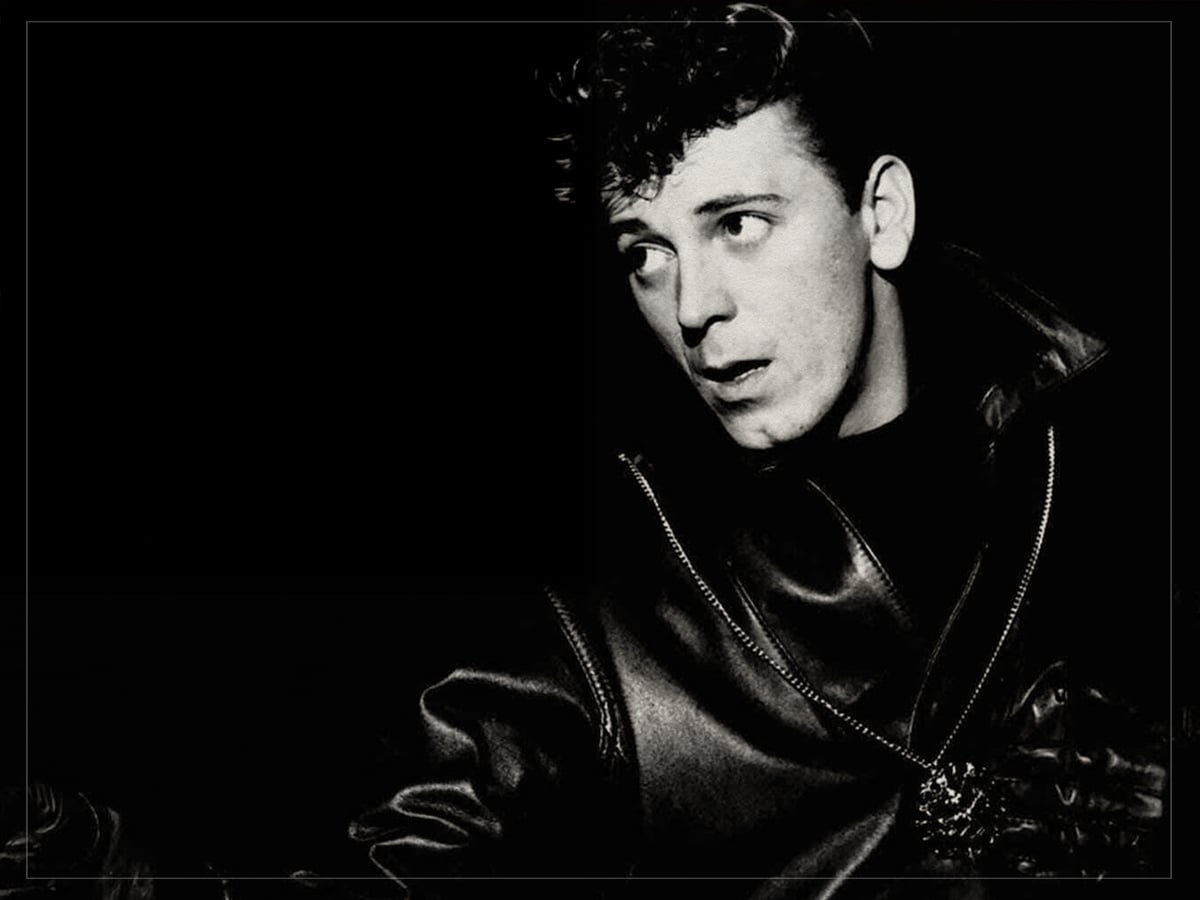
Still, where negative connotations of bikers and leather culture alike may have persisted, music culture latched on as rock ‘n’ roll began to soundtrack its own strain of rebellion and adopt elements of a biker “look”. Punk may have brought leather jackets to the forefront of rock culture, but the first musician to famously wear leather and further popularise it for the masses was Gene Vincent.
Vincent, an icon of rockabilly culture, adopted leather into his wardrobe in the 1950s, as ‘Be-Bop-a-Lula’ became a hit. He often wore a full leather suit – jacket, trousers and gloves – that coexisted with the image of the decade’s “greasers”. Where all roads lead back to Brando, the “greaser” look was defined with pomade-shaped hairstyles, boots and a trusted leather jacket paired, of course, with a motorcycle.
Vincent’s influence, aesthetically, translated to everyone from Presley to The Beatles. Seen in the 1963 BBC documentary The Mersey Sound, John Lennon revealed, “We’d always worn jeans cause we didn’t have anything else… We went back to Germany, and we had a bit more money the second time, so we bought leather pants and looked like four Gene Vincents, only a bit younger.”
After his UK tour about two years prior, Vincent moved to Britain in 1963, and as he toured alongside Eddie Cochran, both wore leather outfits that further popularised the style among young fans. That year, his show on Granada TV premiered with an opening sequence that featured rockers – wearing leather jackets and white helmets – riding into the studio, before Vincent burst into song with ‘Be-Bop-a-Lula,’ a full-circle connection of cultures.
