


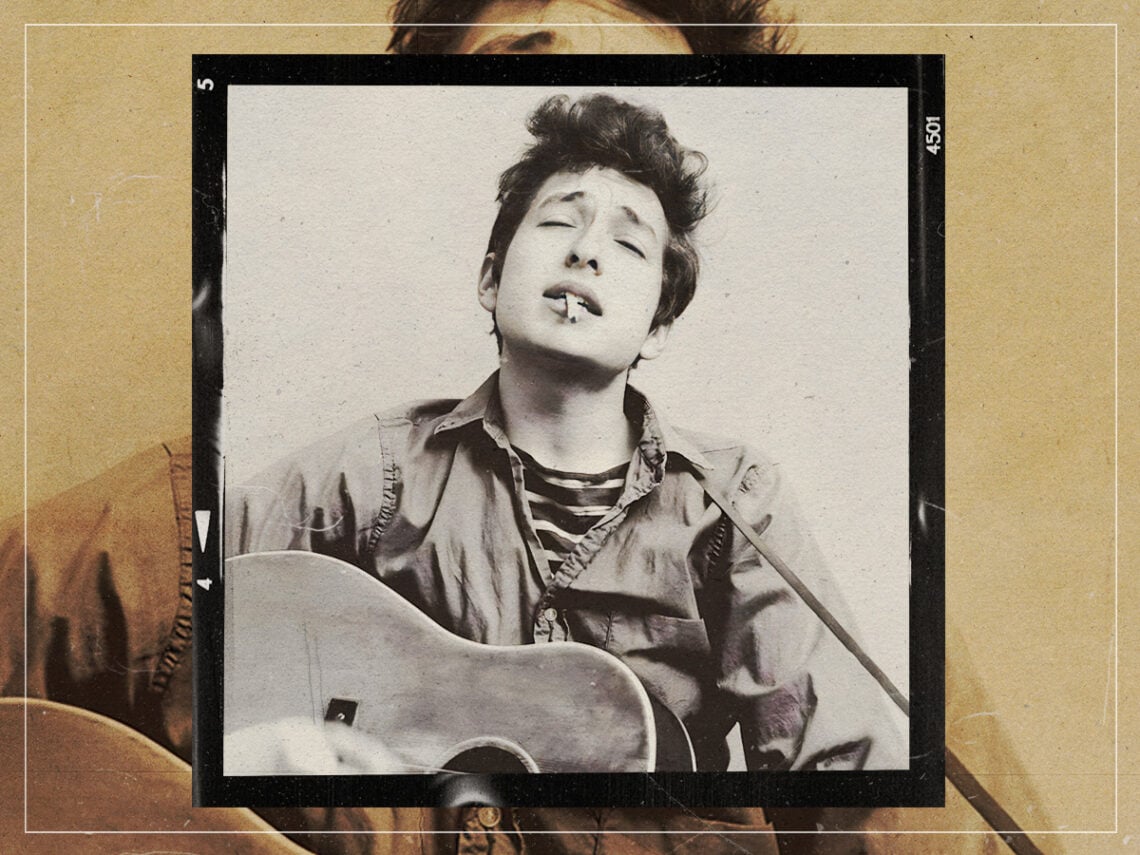
Who started the Greenwich Village folk revival?

One isn’t meant to idealise the past. The present always feels catastrophic, and the future always feels terrifying, no matter when you may be reading this. So, it’s always tempting to wish you were born in a different time, where everything felt just that little bit calmer and more magical. The truth is that the past always had elements that were worse than today, depending on when and where, far worse in a way we can’t comprehend.
Knowing all that, though, there’s still a part of me that, if given a trip in the Doctor’s Tardis, would give anything to check out the Greenwich Village folk scene of the early 1960s. It’s not even born of being a die-hard Dylan fan, either. The village at the time felt thrillingly democratic. A thriving scene of musicians, some starting out, some veterans passing through, venues ran from coffee shops and bars willing and able to take a chance on both.
The dark side of the scene’s birth, though, was that it stemmed from political persecution. Formed in New York City in the early 1940s, The Almanac Singers were a folk music group that formed as a way of spreading the good word about the Popular Front, a pro-union, anti-fascist labour movement that gave both Woody Guthrie and Pete Seeger their musical debut.
The Almanac Singers disbanded after The US entered the Second World War, but Seeger would rebuild the group around himself, Lee Hays, Ronnie Gilbert and Fred Hellerman under the new name The Weavers. Initially, the group achieved astonishing popularity, taking a cover of Lead Belly’s ‘Goodnight Irene’ to the top of the singles chart for 13 straight weeks in 1950.
The group also remained politically active, which was a wonderful career move in 1950s America, where even looking a little communist could get you blacklisted from ever working in your field again. The political party that The Almanac Singers had formed to support? The American Communist Party. Oh dear.
Much of the American folk scene of the time was also tarred with the same brush; thus, a sizeable portion of it was driven underground. Whole labels, let alone artists, were banned from operation, and venues were banned from hosting concerts from artists suspected of having communist leanings. This drove the scene, which had previously been releasing some of the most commercially successful music in the country, from concert halls and theatres to coffee houses and university campuses.
Y’know, where had a lot of coffee houses, creatives, students and folks who wouldn’t rat out the nearest comrade? New York City. Particularly the bohemian community of Greenwich Village that the Almanac Singers, and Seeger especially, had been operating out of. After the McCarthy era crackdown on suspected communist activity, The Village became known on the touring circuit as a place you could go to play shows without worrying about Feds turning up and interrogating yourself or your audience. It wasn’t glamorous, but it was reliable.
Thus, the seeds that would grow in the Greenwich Village folk revival were sewn. These were the venues that hosted the likes of The Kingston Trio, Harry Belafonte and Odetta as the three of them, The Kingston Trio in particular, began to rebuild the commercial viability of folk music in the US. It was this search for the next big thing in folk music that would lead Vanguard Records to sign Joan Baez and release her first record in 1960. Its producer? Fred Hellerman, who’d help start this whole thing off with the The Almanac Singers nearly two decades earlier.

Never Miss A Tale
The Far Out Bob Dylan Newsletter
All the latest stories about Bob Dylan from the independent voice of culture.
Straight to your inbox.