


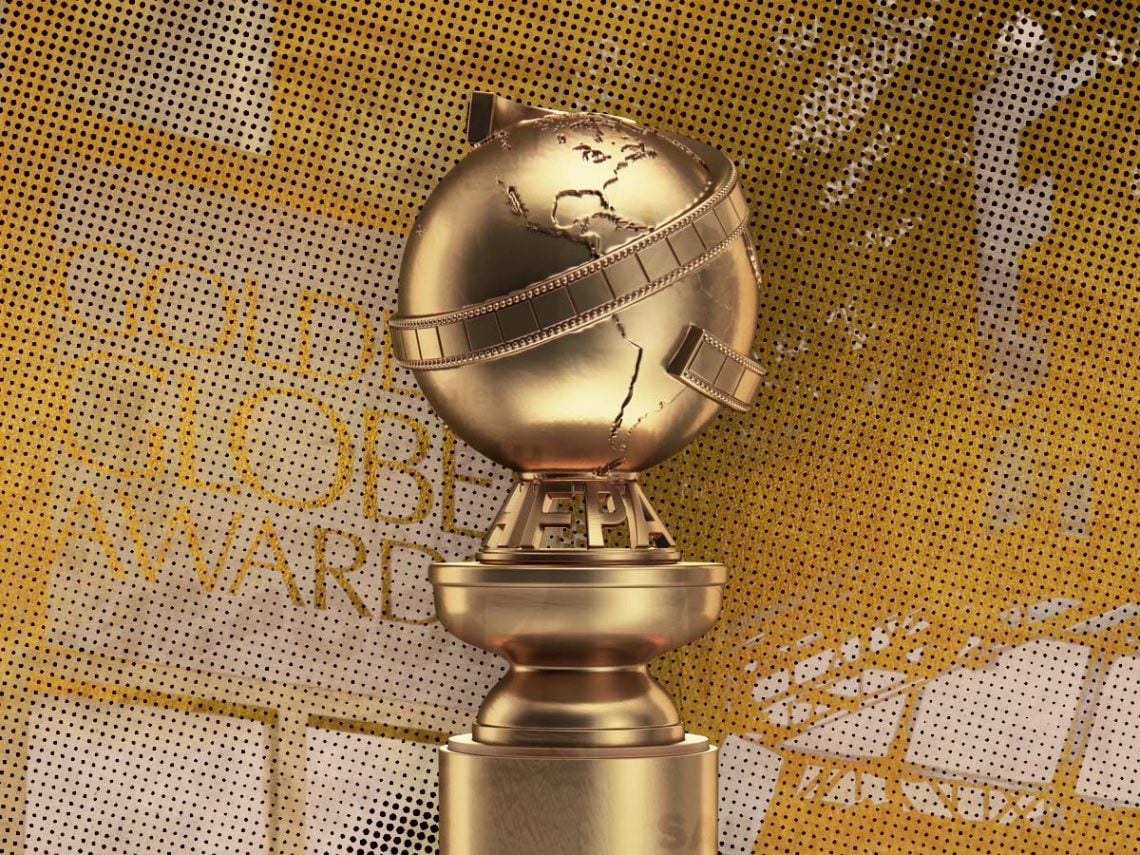
Who is the only Golden Globe winner to have released a record on Motown?

There’s no greater clash of the prestigious and the trite than the cultural footing of Motown Records and the Golden Globes.
One’s a powerhouse label from Michigan’s Motor City, unleashing to the world some of soul and pop’s greatest heavyweights, scoring the Black experience of America across the 1960s and 1970s in all its joy and struggle, and boasting the likes of Stevie Wonder, Marvin Gaye, and The Supremes on its glittering roster. Rivalled only by Memphis’ Stax Records, Motown stands as one of the US’s finest cultural exports.
The other is an awards ceremony that isn’t the Oscars. Aptly described by Gary Oldman as “90 nobodies having a wank”, the Hollywood Foreign Press Association’s Golden Globes jamboree is a wholly superfluous and unessential industry self-congratulation formerly organised by a wholly shady cohort of supposed journalists serving the foreign entertainment markets. Rocked by scandals over the years, from lax membership criteria to a culture of ‘awards for favours’, the HFPA quietly dissolved, changing its name to the Golden Globe Foundation.
Still, it’s a star-studded affair that enjoys CBS coverage and a journalistic buzz every January. The biggest of the biggest have had awards thrown at them: Laurence Olivier, Marlon Brando, Robert De Niro, Meryl Streep, and Helen Mirren, just a fraction of Hollywood’s stars eagerly embracing the golden gong. Even Oldman let bygones be bygones, graciously accepting ‘Best Actor in a Drama Motion Picture’ in 2018 for his turn as Winston Churchill in Darkest Hour.
While there have been plenty of music artists who’ve won ‘Best Original Score/Song’ and recognition for performances in ‘Comedy Or Musical’, only one Golden Globe winner has ever crossed paths with Motown Records.
So, who’s the only Golden Globe winner to have released a Motown record?
As the 1990s’ premier action hero, it would appear that the decade that brought the world Pulp Fiction, two Die Hard sequels, The Sixth Sense, and The Fifth Element must have been Bruce Willis’ golden era.
Yet, at heart, Willis was a slightly eccentric heartthrob from TV’s Moonlighting. 1987 was the real year of Willis, winning that year’s ‘Best Actor in a Television Series – Comedy or Musical’ for his starring role with Cybil Shepherd in the acclaimed musical drama, just before German terrorists’ takeover of Nakatomi Plaza would catapult Willis to the action echelons up there with Sylvester Stallone and Arnold Schwarzenegger.
Willis could also add music to his list of talents. Originally a one-hour mockumentary on HBO, 1987 saw Willis play his crooner alter-ego Bruno Radolini in The Return of Bruno, a comedy special documenting the supposed blues singer and his seismic influence on the world of rock and pop.
And what an impact. Everybody from Elton John, Ringo Starr, Joan Baez, Paul Stanley, and Don Cornelius all line up to pay their respects/join in on the fun, and even boasts American Bandstand host Dick Clark as narrator.
The Return of Bruno would find its way to Motown, issuing the namesake record the same year, and with a serious backing pedigree from Booker T Jones, The Pointer Sisters, and The Temptations. Any good? Not really. A trite collation of bang average covers from the soul canon—and featuring a cover of Johnny Rivers’ ‘Secret Agent Man’ that was already perfected by Devo.
Perhaps you had to be there? Willis sounds like he’s in his element, embracing his inner cruise crooner before the Hollywood action gig stood in the way. Willis enjoyed the kitschy shtick, insisting on keeping the gag running that bit longer for 1989’s sophomore If It Don’t Kill You, It Just Makes You Stronger.
