


Who invented the pre-credit “cold open” before a movie’s title sequence?

After the advent of New Hollywood and then neo-noir cinema between the 1970s and 1990s, the idea of a pre-credit sequence at the start of a film came into fashion. This phenomenon was originally more commonplace in television, which had made a habit out of introducing the episodes of sitcoms and dramas with “cold opens” prior to their title sequences since the 1960s.
The first American TV show of note to start episodes with a cold open was the pioneering detective drama 77 Sunset Strip in 1958. Soon, it was fashionable for all kinds of shows to use the device, from soap operas to canned-laughter comedies.
And then came the big-screen cold openings. For instance, who could forget the diner booth chat between small-time criminals Pumpkin and Honey Bunny at the beginning of Quentin Tarantino’s Pulp Fiction?
It’s a classic pre-credit sequence in that once it’s done and music cues up the title credits, it seems to bear no relation to the rest of the movie. We see two different characters on screen after the credits, who drive the rest of the plot. That is until, at the film’s climax, they happen to be sitting in a diner when two small-time criminals attempt to rob it.
Yet this innovation in the world of cinema wasn’t the idea of Tarantino or anyone of his ilk. One man had already been in the business of movies with pre-credit sequences decades before neo-noir established itself on the scene. The name’s Bond. James Bond.

We’re now used to seeing Bond performing impossible escapes at breakneck speed before the title of his latest film has even been introduced. But this practice goes way back to the second-ever Bond movie, 1963’s From Russia with Love. That very first 007 cold open appears to show Sean Connery’s Bond getting killed. Quite the twist before the opening credits roll.
Still, we have neither American television nor James Bond to thank for the pre-credit opening sequence. This staple feature of modern, narrative-driven visual media dates back much further.
From Serbia, with love
It was actually an early Hollywood movie, made just before the arrival of Production Code rules, that invented the cold open. The 1934 drama Crime Without Passion was directed by Ben Hecht and Charles MacArthur. It was another member of the film’s crew who wrote and directed the opening sequence, however.
Serbian-born cinematographer and montage artist Slavko Vorkapich created an extraordinary, chilling two-minute cold open before the movie title and credits. If it had been made by surrealist filmmaker Luis Buñuel, it might have been lauded as a work of art for the ages.
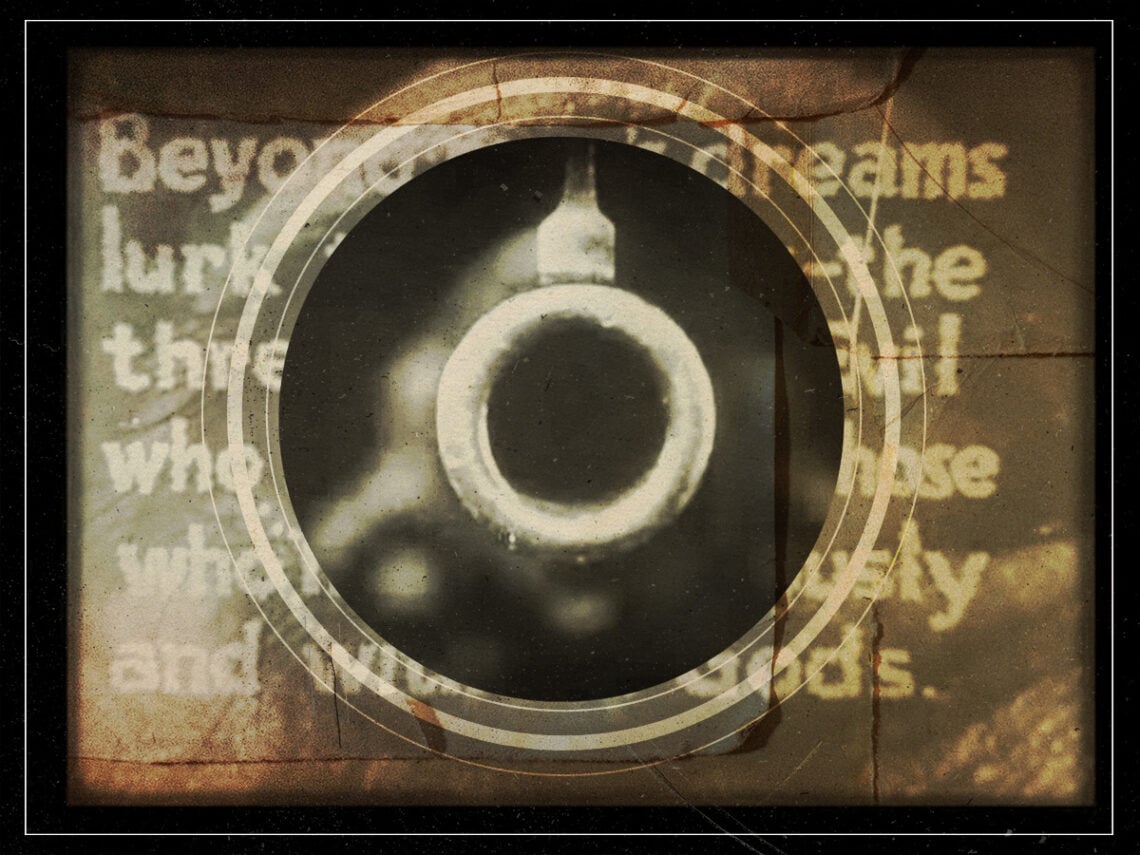
It begins with a close-up shot of an eye wide open in terror, which fades into the end of a gun barrel. The eye returns, and clenches shut before a split-second shot of a skull’s mouth opening accompanies the sound of the gun going off.
The blurred image of a looming figure holding the gun is followed by a woman falling down dead. Her spirit rises out of her body, covered in billowing white sheets. She is joined by other dead women, who then return to earth, zeroing in on New York apartment blocks and crashing through windows while their former husbands seemingly carry out illicit affairs.
The dead women laugh and scream, with quick-cutting close-ups of their faces accompanied by the return of the open-mouthed skull. Suddenly, a deluge of dead spirits rains down from the sky, coalescing into the shape of the movie’s title on the screen.
For the first-ever example of a pre-credit cold open in cinema history, it’s not a bad way to start. And a tough act to follow.
