


Chaos, destruction and murder: The rock song that officially ended the counterculture

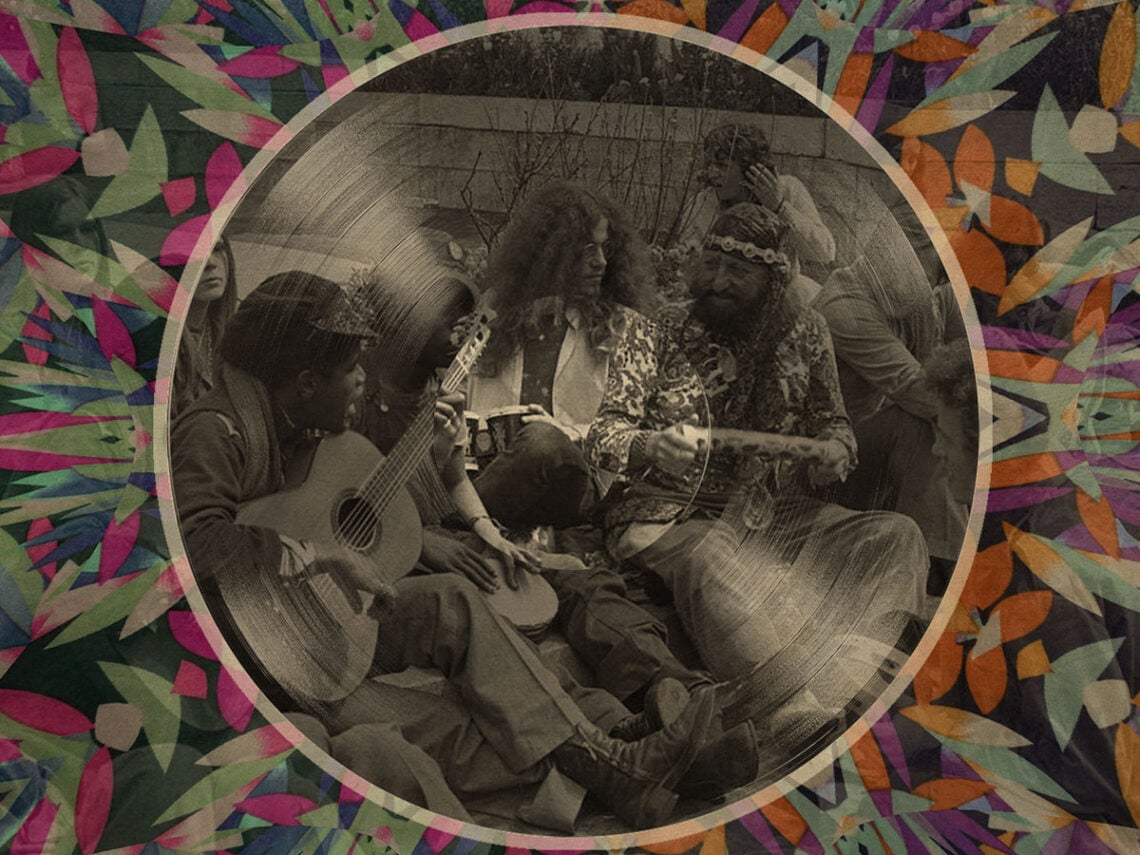
For a long time, the ethos of the counterculture movement was peace and love, unity and togetherness, love and acceptance, and for a long while, the message rippled across other corners of culture, the pure antithesis to all societal chaos and destruction.
During this time, music was a major tool for change, a rallying cry through which artists could air their grievances and call for a better, more unified world, and many of these criticisms centred on societal prejudice, anti-capitalism, and the Vietnam War, with figures like Joan Baez, Bob Dylan, and Janis Joplin capturing this sense of disillusionment through folk and psychedelic sounds and styles.
Some of the best songs in history emerged during this era, including Dylan’s broader observation on societal transformation in one of his defining songs, ‘The Times They Are A-Changin’, and practically everything that Joan Baez did during these years, including the powerfully charged ‘We Shall Overcome’ and emotional protest song ‘Birmingham Sunday’.
Another that epitomised the entire moment was also, of course, Jefferson Airplane’s psychedelic anthem, ‘White Rabbit’, which not only captured the malaise of an entire generation but also epitomised the artistic expression of the counterculture movement itself. Specifically, it proved how it wasn’t always about the words artists used, but the atmospheres they created to rival the chaos of the world around them.
However, as with many movements in history, counterculture is often cited as one of the most performative and contradictory, mainly because not everybody understood how its peace signs and flower crown aesthetics translated into real-world action. After all, it is often misinterpreted as a time when people lazed around getting high and talking about how bad the world is, without actually doing anything to make it better.

But which song ended counterculture?
Although counterculture couldn’t have lasted forever, its demise ultimately revealed a lot about how some of those opinions rang true, especially when looking at how its broader call for peace was eventually destroyed by the very thing it sought to oppose: chaos and destruction.
These clashes weren’t entirely unexpected, either, as many counterculture songs captured the dichotomy between those uniting for peace and the violent, militant opposition, while using these differences to explore the bigger picture.
The Stephen Stills-penned ‘For What It’s Worth’ by Buffalo Springfield, for instance, was inspired by the Sunset Strip curfew riots in LA, which saw people in counterculture communities fighting for their rights against curfews across the Strip, but the song that seemed to really change the tide was no doubt the infamous performance of The Rolling Stones’ ‘Under My Thumb’ in 1969 at Altamont Free Concert, where during what was supposed to be a moment of musical togetherness, violence broke out among the audience, and a Black teenager, Meredith Hunter, was brutally stabbed and killed by Hell’s Angel Alan Passaro.
As the name suggests, Altamont Free Concert was a major counterculture event deemed by many as the Woodstock of the West, which had taken place around four months earlier; however, rather than a peace-loving community for music lovers, things turned nasty during the Stones’ set, marking a dark end to the entire scene.
