


Which musicians does Billy Joel mention in ‘We Didn’t Start the Fire’?

Cheesy, corny, overproduced, call it what you want, Billy Joel won’t mind, he’s called it much worse himself, but I choose to call ‘We Didn’t Start the Fire’ a masterpiece unique in all the world.
Here’s why: in a four minute blitzkreig of pure adrenalised pop, Joel makes his way through modern history in a manner that has never been done before. From the rise of “Red China” right through to “Rock ‘n’ roller Cola wars”, he charts the entirety of modern history without ever breaking stride or straining to rhyme, one year at a time.
In the process, he presents a predicament well worth mulling over: is the fire of human fuckery an eternal flame that we just have to live with? We might constantly bemoan how technology is dividing us. We might fear the perilous proposition of an AI takeover. We might think the dictators are worse than ever and see an evident slide to our inevitable demise.
But is it worse than the AIDs epidemic, the Vietnam War and the assassination of JFK, or are we simply trapped in a ceaseless permacrisis? Rather than tremble at the thought, it’s perhaps best to look at the inverse, and consider: we might be perenially deepening the trough of our troubles, but at least we can right crappy, corny pop songs on the way down.
That’s pretty much how Joel’s classic 1989 track came about. The ‘Piano Man’ was in a recording studio when he happened to overhear the late John Lennon’s son, Sean Ono Lennon, discussing how it’s a terrible time to be a young person. Joel was struck by such pessimism in a youngster, then in his puzzlement, he remembered, he had the same outlook at that age.
It has always been terrible to be a young person. Each generation faces a fresh set of the latest shitshows. But that’s when the second element of the song comes into play. To reiterate: at least we can right crappy, corny pop songs on the way down.
Pop culture has always been a balm to the mechanical grind of the modern world. So, hidden among the unfurling pitfalls of the rapid-fire history, Joel also happens upon a plethora of pop culture pinnacles that permeate the song – and, indeed, our sorry existence – with a sense of balance and achievement.
So, who does Billy Joel mention in ‘We Didn’t Start the Fire’?
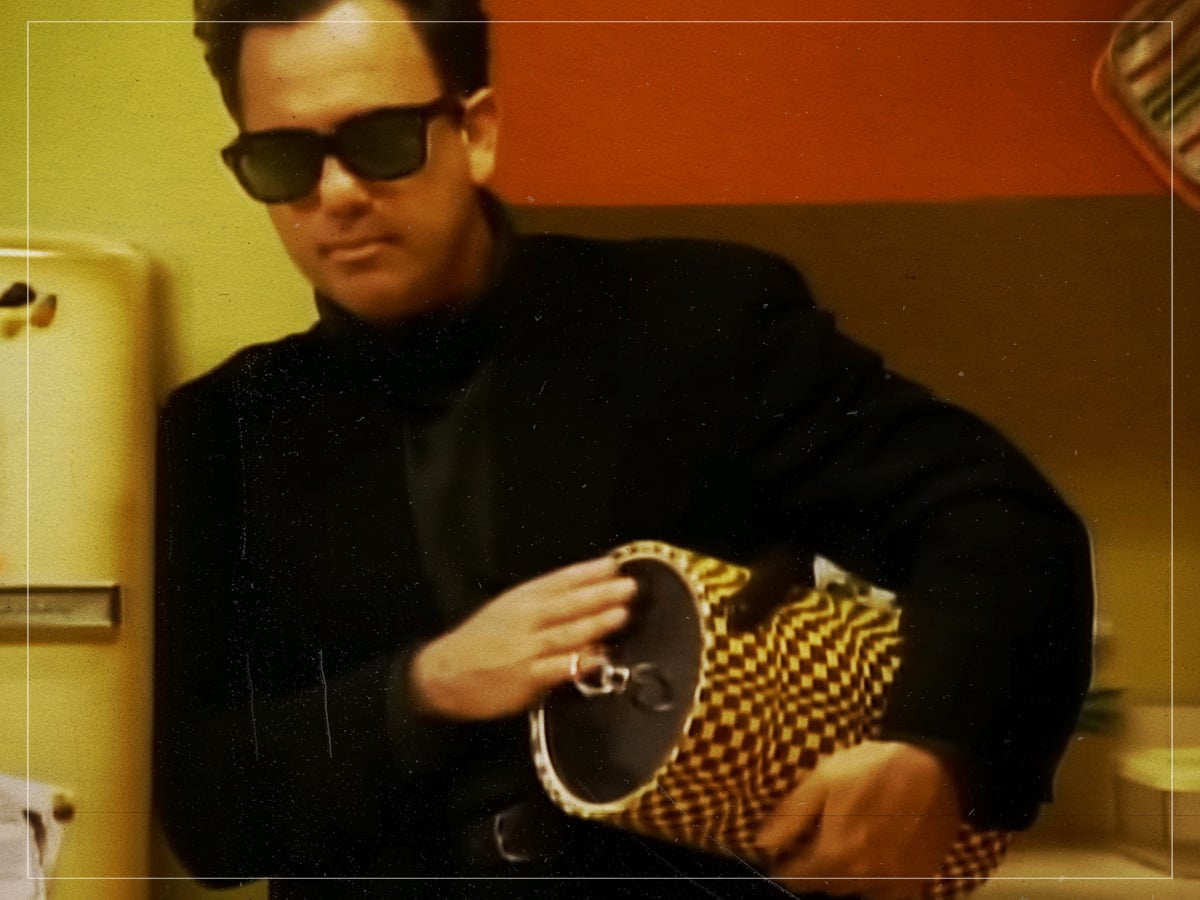
That also makes it highly notable when it comes to who Joel sees fit to mention. As an esteemed and successful songwriter at this point in his career, who are the figures he thinks are historically notable, and who are those he sees as a passing fad? Well, he certainly skipped ‘80s giants like Madonna and Prince in his procession of history. Contrary to the comical picture for this piece, not even dear old Elton John gets a name-drop.
His first musical mention goes to Johnnie Ray. This arrives during his 1949 section of the song. That seems notably early for a name like ‘Johnny Ray’ that simply screams rock ‘n’ roll. But that’s why old Ray gets a nod. He was arguably the first modern rocker signed to a major label. In 1949, he signed to Okeh Records, proved a success, and set this whole pop culture thing in motion.
Next up, Joel doffs his cap to Prokofiev. This is, of course, Sergei Prokofiev, the beloved Russian composer behind Peter and the Wolf, who died aged 61 in 1953, hence we he gets a nod as Joel passes through that sorry year in our sordid history.
Then in 1954, he throws in a musical one-two. Arturo Toscanini gets a mention after he became one of the most famous conductors in the world after landing a US radio show with his NBC Symphony Orchestra. And then he follows this up with a reference to Bill Haley & His Comets landing a huge number one with ‘Rock Around the Clock’.
It’s the dichotomy of this juncture that makes this section so interesting. Toscanini and Bill Haley are worlds apart, but both were equally notable simultaneously. So, while we might presently be baffled by the fact that the charts are somehow being topped at the moment by fictional bands that you’ve never heard of, cultural divides have always been commonplace. That’s the wealth in Joel’s classic.
But he doesn’t stop there. Next up, he mentions Elvis Presley in 1955, Buddy Holly and the Day the Music Died in 1959, Chubby Checker for 1960, and Bob Dylan signing to Columbia in 1961, earmarking a second, socially-conscious chapter as pop culture became counterculture.
Throughout the 1960s, he makes note of Beatlemania and Woodstock. Whether this is intentional or not, but he also raises the already ferocious tempo of the song and somewhat breezes through the decade. In a way, this mimics the madness of the era. The world seemed to be changing daily in the ‘60s and his fever-pitch perfectly captures that.
Then he gets to punk rock in 1973. The date proves notable. Evidently, he ties the rise of the genre back to the likes The Stooges and New York Dolls who released the proto-punk albums Raw Power and New York Dolls respectively that year. No doubt this stuck in John Lydon’s craw.
The final references comes in the form of “heavy metal suicides” in a nod to the madness of the Satanic Panic. And just like that, he’s made rounds things off by making it clear that even the culture that greases the gears that grinds us can also be called into question. If it’s not one thing, it’s the other, ay!
