


Which musician helped coin ‘shock rock’?

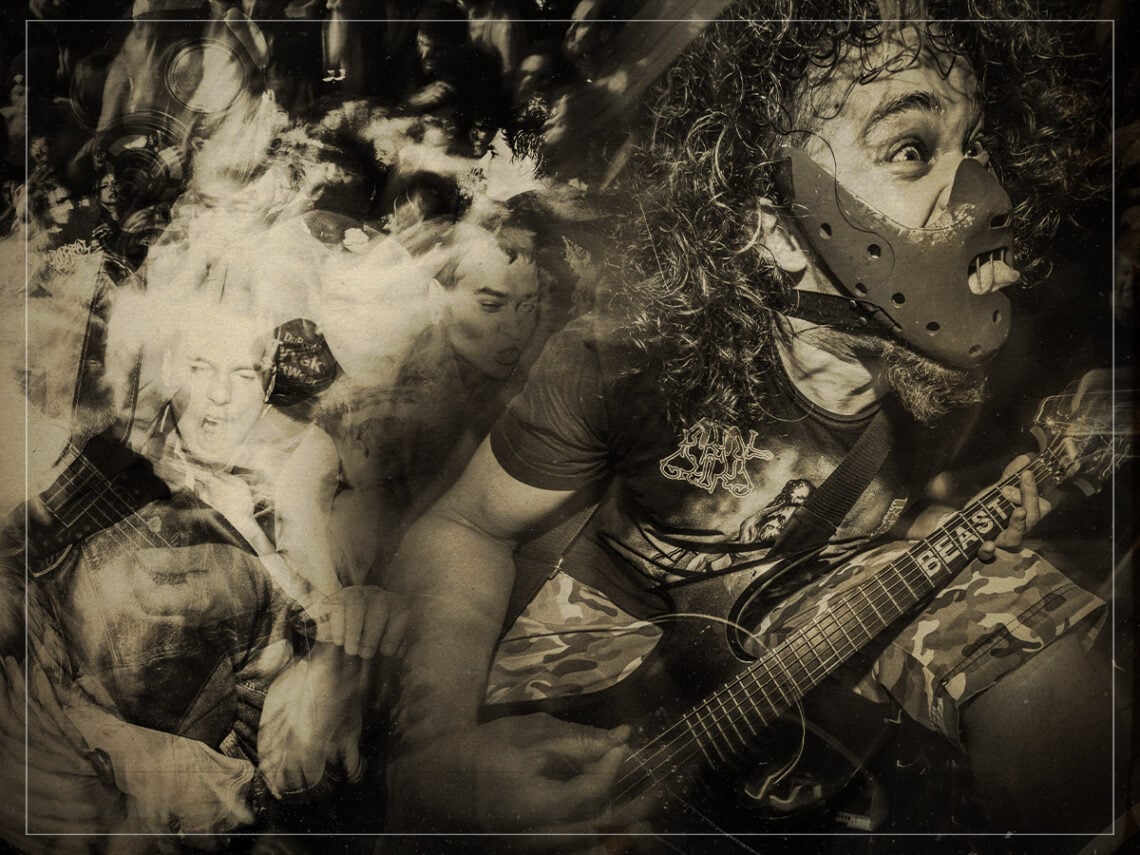
The makings of a ‘shock rock’ piece of rock ‘n’ roll are easy to spot and endlessly provocative: Blood, guts and other forms of violence, horror films and their monstrous icons, science fiction-driven fantasies, and the like.
Shock rockers, in turn, have wielded culture’s most strange and perverse elements, sometimes traversing into violent onstage antics (real or imagined) and otherwise, while leaning into mythical, often absurd, forms of costume involving face paint, masks, prosthetics and more. All was meant to provoke a reaction, whether that warranted a consideration of the world at large or to simply disgust and earn a laugh or two.
It began with Screamin’ Jay Hawkins, a theatrical performer whose macabre rock ‘n’ roll renditions forged the path for countless shock rockers to follow. We see them in the horror of Slipknot’s masks coupled with their sonic brutality, in Alice Cooper’s wild, controversial antics, and in Rob Zombie’s horror-fanatic persona that merges his music with film in creating his own world. But the term shock rock began with an eye on one of music’s most polarising figures.
On Christmas Day, 1966, The New York Times published a piece by Robert Shelton with the headline, ‘Shock Rock: Take Musical Satire One Step Further’, which, alongside a fascinated (if not slightly frightened) view of Frank Zappa and The Mothers of Invention, included the earliest use of the term ‘shock rock’. In describing Zappa and co, Shelton noted them as “primarily musical satirists”, and this was intentional on the musicians’ part. Satire was the anchor of their debut album, 1966’s Freak Out!, which blended evident notes of psychedelia, R&B and doo-wop to craft a new form of experimental rock.
The differences with The Mothers of Invention was that they came from the ‘freak scene’ of Los Angeles, eccentrics that posed as dance troupes and performers, themselves, who were heavily influenced by psychedelics. Zappa and co adopted their scene as the foundational concept of the album and indeed, introduced a strain of shock rock in the process.
“I am trying to use the weapons of a disoriented and unhappy society against itself,” a 26-year-old Zappa is quoted as explaining in The New York Times’ piece, before asserting with a smile, “The Mothers of Invention are designed to come in the back door and kill you while you’re sleeping.”
From Zappa’s perspective, being a band of satirists was a way of raising consciousness of the influence of popular music’s top 40 imperatives, instead of being focused on shifting away from the pop music factory of the day.
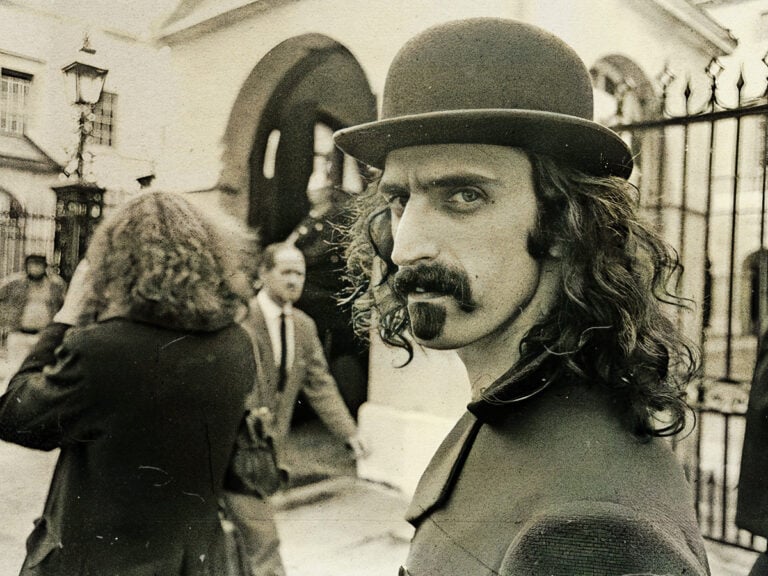

This is where the freak element would come into play: whether they be dancing erratically, wearing outlandish outfits onstage, or wielding humour and an acute eye towards society in their lyrics, The Mothers of Invention were intent on provoking the masses in any way they could. As the anti-establishment and unconventional morals of the 1960s became increasingly dominant, Zappa and his band of misfits forged their own path at the right time; it would only take some convincing to embrace their bizarre elements and listen deeper, diving into the satirical dissections of American popular culture.
It helped that Zappa was something of a mad genius when it came to musical composition. He was as impassioned by rock ‘n’ roll as he was by classical music, the latter being an undercurrent to Freak Out! and essential to moulding Zappa’s signature form of rock music. Where his boundary-pushing tendencies continued, this translated into genre boundaries, too, and with the Mothers of Invention, genre barely existed, so much as a blank slate to mash them all together into, certainly, a shocking sound that would stick with the listener.
While The Mothers of Invention thrived in the unpredictable, they eventually reached mainstream success, travelling from California’s underground scene to critical acclaim, as Zappa’s ever-evolving ideas reached grandiose proportions via big-band and orchestral music. As shock rock evolved beyond the Mothers’ conception into nearly unspeakable territory, the lines blurring between shock value and blatant repulsion and violence, the very idea of shock rock became forever indebted to innovators like Zappa, who saw potential in escaping conformity and using music as an artistic medium to do so.
