


Which filmmakers invented neo-noir cinema?

Neo-noir is a genre that resists easy classification. By definition, it borrows the visual aesthetics and thematic elements of classic film noir—think The Maltese Falcon or This Gun for Hire—while infusing a more contemporary sensibility. This often involves updated settings, modern moral ambiguities, and explicit portrayals of violence and sexuality. Despite these characteristics, neo-noir retains its ties to its predecessor, making it more of a reinterpretation than a clear departure.
Of course, neo-noir is a vastly broad genre—in fact, it perhaps shouldn’t even be called a genre at all. There are a fair few genres that can fit into neo-noir: crime, thriller, horror, drama, and even comedy, from time to time – so you can see where it gets confusing. Plus, you hardly ever hear anyone say in a serious conversation, “I watched this great neo-noir last night”…well, I don’t anyway.
Part of the problem also lies in the fact that, like film noir before it, the label was coined by critics to retroactively describe a cycle of relatively disparate films. In other words, the filmmakers we’d now hail as neo-noir pioneers weren’t aware that they were making neo-noir films in the first place.
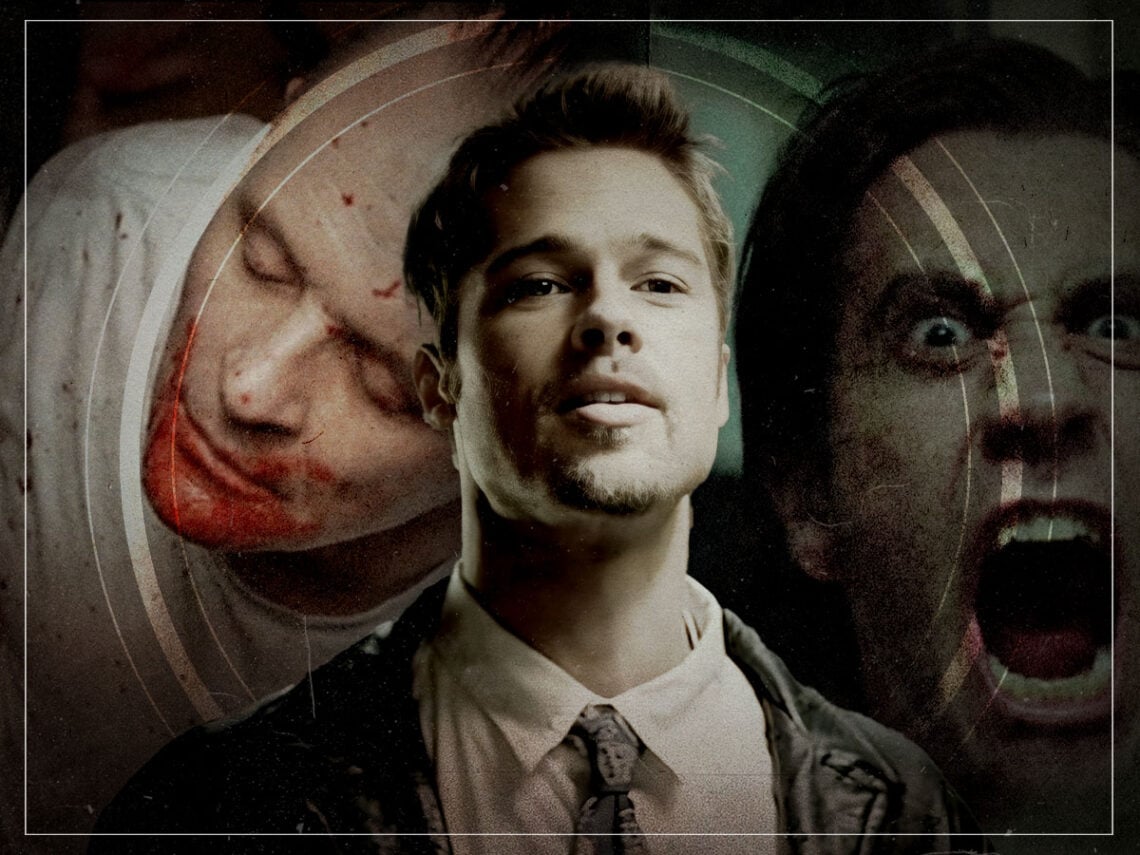
It feels like anything can be a neo-noir, from The Silence of the Lambs and Seven to Nightcrawler and Blade Runner, so where did this ‘new’ genre come from? And when did it start?
So, which movies are neo-noir?
As much as neo-noir is hard to define, there are plenty of examples since the genre’s inception of films that can be regarded as neo-noir. Films with narratives based around crime that are aesthetically dark and perhaps focus on sociology rather than psychology will usually fit the bill. The likes of Jean-Luc Godard’s Breathless, Point Blank by John Boorman, and François Truffaut’s Shoot the Piano Player are all early examples of neo-noir, with their characteristic dark crime focus.
The meaning of neo-noir hasn’t changed much since the 1960s, despite the fact that what was ‘new’ then isn’t new now. Some examples of modern noir range from Taxi Driver and King of New York to Nocturnal Animals and You Were Never Really Here, with others like The Dark Knight and Knives Out being labelled as such, contentiously, we’d imagine.

But who invented neo-noir?
With so many neo-noir films being categorised, it is hard to say. A popular theory is that of the iconic French New Wave founding father Jean-Luc Godard, who was one of the pioneers of neo-noir. On the surface, this sounds fair enough – his radical, revisionist 1960s crime films – Breathless, Bande à part, Alphaville – paved the way for a younger generation of Hollywood filmmakers to breathe new life into a stale genre.
In 1976, Larry Gross identified Alphaville, alongside John Boorman’s Point Blank and Robert Altman’s The Long Goodbye, as part of a new wave of films that might nominally be labelled ‘noir’ but which were simultaneously attempting to shift from a psychological to a sociological analysis, going against Hollywood narrative conventions.
But other names, most notably William Friedkin, have been thrown in the ring. Many of his films, including The Birthday Party and To Live and Die in LA, earned neo-noir status, mostly following his success with The Exorcist in 1973, and that element of horror is potentially the source of Friedkin’s ‘noir’. 12 Angry Men and The French Connection were also titles associated with neo-noir, and given how well-known these films became, it’s no wonder he was also considered one of the founders of neo-noir.
The quintessential ‘first wave’ neo-noir, Chinatown is also one of the undisputed pinnacles of 1970s Hollywood cinema. In place of the sleazy lowlifes and snarling mob bosses you’d find lurking on shady street corners in a film noir, Roman Polanski’s Chinatown villains are beige bureaucrats and elderly entrepreneurs, who carry out their misdemeanours, utterly unrepentantly, in broad daylight – much more subversive than the genre’s predecessors.

So, what’s next for neo-noir?
From the thrills of Blood Simple to the monochrome of The Man Who Wasn’t There, the Coen brothers have time and again proven themselves neo-noir masters. But it’s perhaps Fargo that does the best job of elegantly flipping genre tropes on their heads and creating something utterly distinctive in the process.
Rian Johnson’s Brick, the Netflix series Jessica Jones, and Shane Black’s Kiss Kiss Bang Bang are some other great examples to explore, with the genre just starting to bend in terms of diversity. Historically, film noir is a pretty straight white male genre, so any modern noir that looks to subvert this is always interesting.
The answer to the question is a little convoluted, yes, but isn’t that better than having one inventor of an entire genre?
