


Which decade had the most one-hit wonders?

Dear reader, I made a horrifying discovery when researching this article. In looking through Wikipedia’s list of so-called one-hit wonders, I found out that the site considers a number of legendary artists under the moniker simply because they only had one major hit on the Billboard charts. Now, while that might be the technical definition of the term, anything that bestows such an ignoble term on literal Amy Winehouse can’t be right.
So, back to the drawing board we must go. If we are to find out which decade has the most one-hit wonders, first we must decide what exactly makes the term. No matter how simple it may seem on the surface, there are deep, hidden depths to consider. There are some artists who may have only had one hit on the charts, but their back catalogues see them rise miles above that term, such as Fiona Apple, Queen Latifah, and Jimmy Eat World.
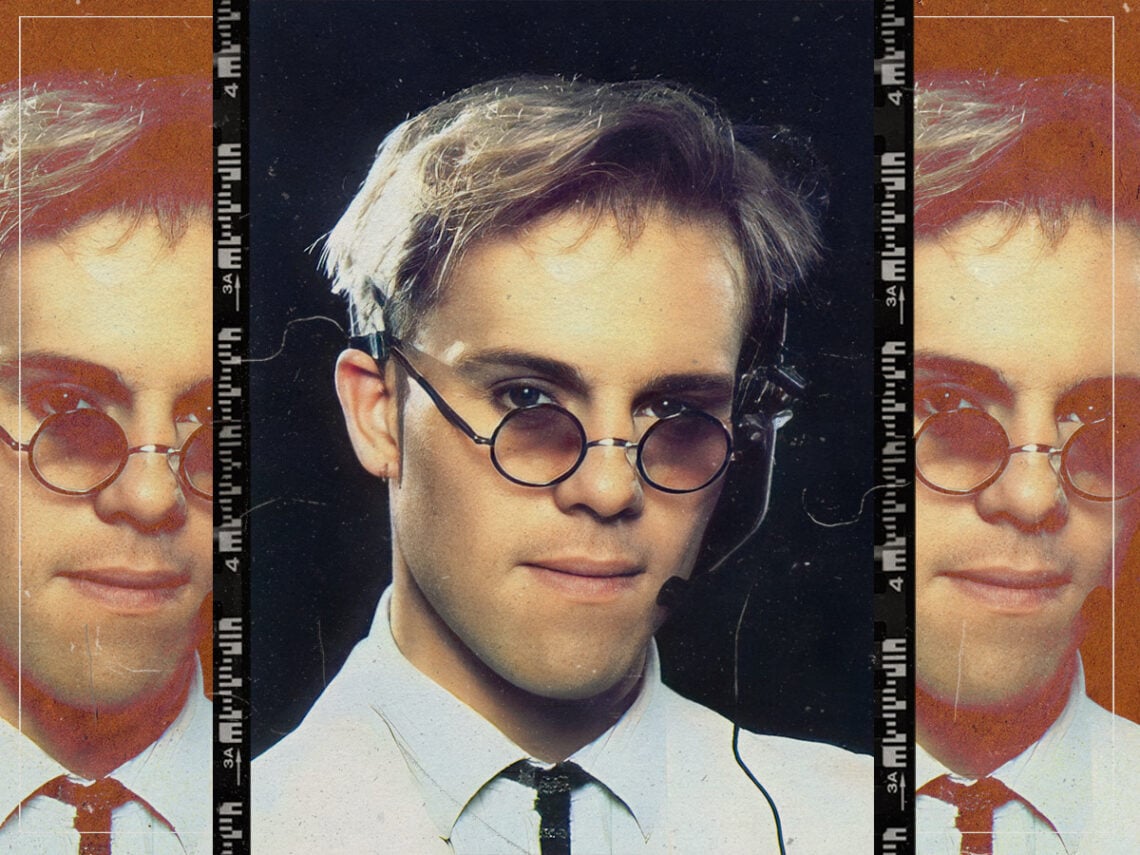
Yet the likes of The La’s have a career spanning multiple decades and are absolutely one-hit wonders. There may be a whole lot of men for whom 1995 never ended who are upset by that statement, but search your feelings, you know it to be true. For the sake of fairness, we’re going to only consider artists for whom their one hit takes up a large part of their discography. This leaves us with The Baha Men and Thomas Dolby, but not The Breeders and Beck.
With that in mind, we move from defining the term to finding the numbers themselves. Now, a lot of my research here came from the writer Todd Kerpelman. He wrote on his Medium page that he, like me, went into this expecting the 1980s to run away with it. What we both found was very different indeed.
Which decade has the most one-hit wonders?
What’s undeniable is that the 1980s had the most memorable one-hit wonders. ‘Turning Japanese’ by The Vapors; ‘867-5309/Jenny’ by Tommy Tutone; ‘Smalltown Boy’ by Bronski Beat; ‘Relax’ by Frankie Goes to Hollywood, the hits just don’t stop, except for the artists themselves. However, Kerpelman goes deep into the actual numbers and finds that just because we remember the one-hit wonders of the 1980s doesn’t mean that’s where they’re all concentrated.
His research shows that the decade with the actual highest amount of these records is actually the 1960s, and, in a strange way, this makes perfect sense. After all, the music industry still treated pop music as a disposable medium. A record label could still throw a bunch of session musicians together, call them The Pyramids, or The Reflections or, in one herculean act of hubris, The Chartbusters, then give them a solid pop song to spend a week on the charts with and then never be heard from again.
It’s part of what made the 1960s such an exciting time. On the one hand, you had the industry still acting like it was the 1950s and trying to make a buck out of thrown-together shlock. On the other hand, you had genuine, bona fide artists showing how to push the whole medium forward. The 1980s were arguably a response to this, when interesting artists making catchy, yet experimental pop music were given a chance on the major stage.
Unfortunately, the infrastructure that released all these records saw them as nothing more than novelty hits and thus, so did the audience. Perhaps that’s why the definition of a one-hit wonder is so fuzzy. As the ability to release music becomes more democratic, and anyone with an internet connection can self-release their work, the only people who define the nature of an artist is the artist themselves. Which can only be a good thing!
For a closer look at Kerpelman’s research, his blog can be found here.
