


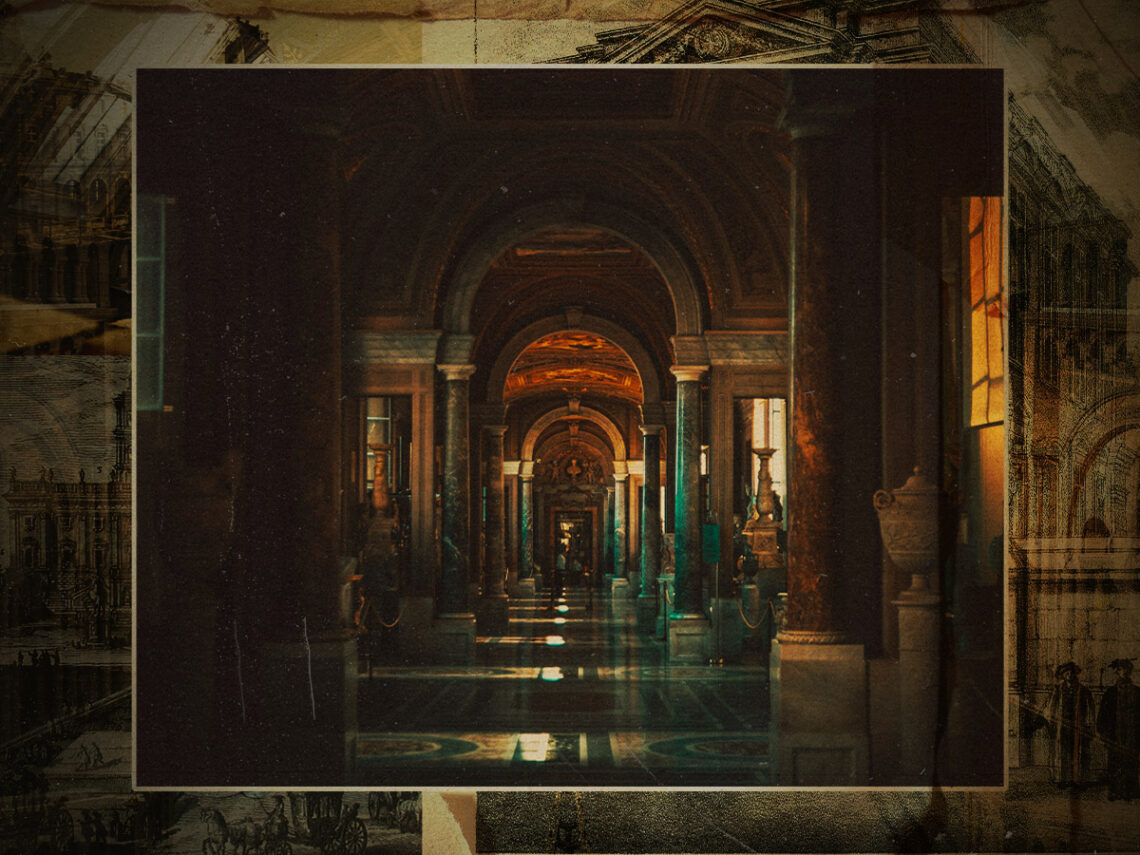
Where was the world’s first ever museum?

The White Stripes and Soundgarden were among the artists inducted into the Rock and Roll Hall of Fame and Museum last weekend, and as is the tradition with this annual event, there were some murmurs from the hater community about whether trophies and institutions ultimately cheapen and undercut the meaning of good art.
It’s a difficult time to be running any kind of museum, really. The old, well-funded big dogs like the British Museum are under fire for the methods used to build their collections in the past, while the younger, smaller specialist museums are generally desperate for financial aid, politically attacked for being too far left or not left enough, and struggling to draw visitors, many of whom would rather just Google an artifact than pay to see it with their own eyes.
There’s also been an unfortunate, gradual decline in our overall societal respect for museums of late, as evidenced by the broad-daylight robbery at the Louvre and the revelation that its security system was protected with the password: ‘Louvre’.
If the stuffy institutions can’t even keep their collections safe with any level of competence, how confident can we be that they’re investing properly in their exhibitions and research and sourcing items from reputable donors? These all feel like fairly new concerns and debates, but the museum itself is an ancient concept, as humanity has shown an interest in preserving and displaying relics of its own existence since at least 2,500 years ago, with this year, in fact, marking the 100th anniversary of a notable discovery that pushed the story of museums back to the very dawn of recorded history.
In 1925, archaeologists digging at the ruins of Ur, one of the great Sumerian cities of ancient Mesopotamia, in what’s now Southern Iraq, stumbled upon an organised collection of artefacts, carefully labelled and arranged within what appeared to be a temple complex that turned out to be part of the palace of Princess Ennigaldi-Nanna, daughter of King Nabonidus, the last ruler of the Neo-Babylonian Empire, dating back to around 530 BCE. Although we have no way of knowing if it was created as a public resource or something set aside for royals and dignitaries, the site has since been recognised as the world’s first known museum.
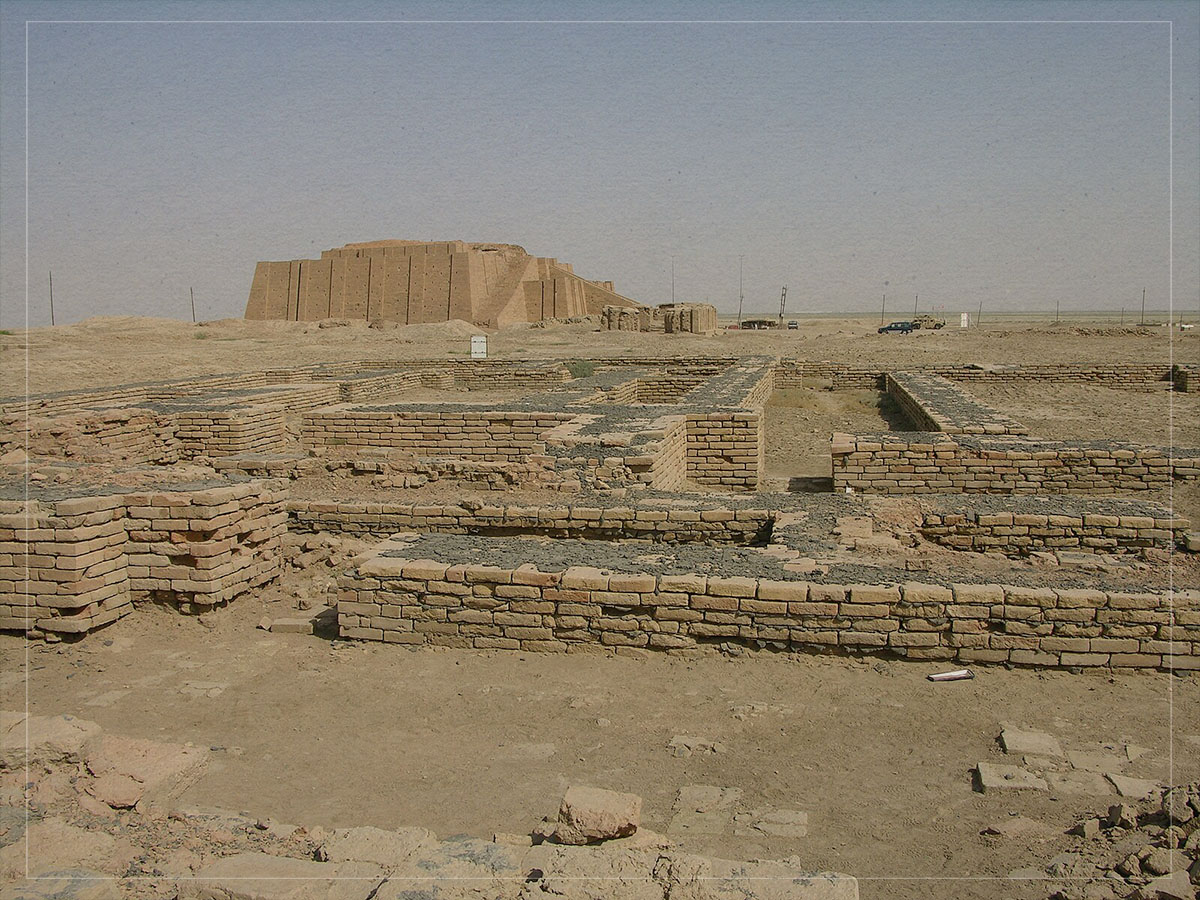
What made Ennigaldi-Nanna’s collection so remarkable was not just its age, but its intention. The princess was known to have been an educated woman, presiding over a school for priestesses and scribes, and the artefacts she curated came from earlier civilisations, such as Sumerian, Akkadian, and Babylonian, suggesting that she and her father were keenly aware of their own place within a larger historical continuum, just like the guys digging up their temple a couple thousand years later.
If a museum is essentially just a collection of things, identified for historical context, then this very well may have been the first of its kind, but if it’s considered a place where the wider community is invited to come together for educational or culturally fulfilling purposes, then we would probably need to move a couple thousand years ahead to the Renaissance, when the Capitoline Museums opened in Rome, leading to some of the earliest debates on art curation.
Later, during the Age of Enlightenment, when scholars and wealthy collectors in Europe began to see knowledge itself as a public good, many rich families’ ‘cabinets of curiosities’ evolved into structured institutions devoted to art, science, and archaeology, and among these was the Ashmolean Museum in Oxford, founded in 1683, which is often regarded as the first modern public museum.
It was based on the collection of Elias Ashmole, an English antiquarian and polymath, who donated his trove of natural specimens, coins, antiquities, and curiosities to the University of Oxford, and what made the Ashmolean revolutionary was that its doors were open not only to scholars, but to ordinary citizens: anyone, in theory, could walk in and experience the wonder of the world’s history and nature under one roof.
The Ashmolean is still open today, and while we imagine its security system is stellar, the original 17th-century safeguards, presumably a few guys carrying swords, probably worked just as well.
