


When was the ‘Golden Age’ of Hollywood?

You might have heard the phrase ‘Golden Age of Hollywood’ tossed around as if it had a concrete definition despite sounding more like a subjective designation for your personal favourite era of cinema. If you’re really into Marvel and never-ending franchises, you might argue that we are currently living in the golden age. However, there is a specific period that has been given that name.
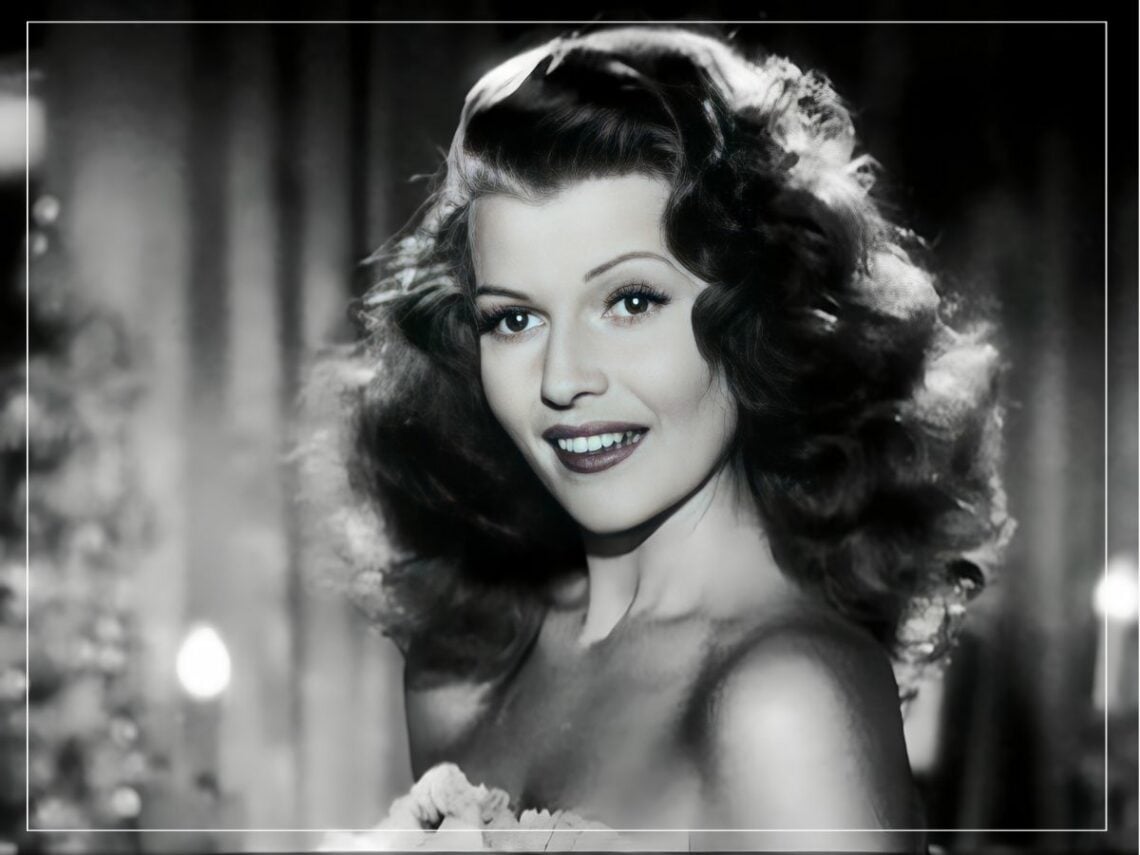
Rather than conjuring concrete dates, a mention of the ‘Golden Age’ is more likely to conjure images of Audrey Hepburn, Cary Grant, and Grace Kelly. You might think of Ava Gardner in The Killers or Rita Hayworth flashing a smile in Gilda. The Golden Age was Hollywood at its most glamorous and insular, when the industry was run by a few powerful studio heads who owned people as well as companies and ensured that diversity of any kind would be wiped from the record.
Most historians agree that the ‘Golden Age of Hollywood’ (otherwise known as ‘Old Hollywood’ or ‘Classic Hollywood’) began in the 1910s, just as the town became the epicentre of commercial filmmaking. Directors like D W Griffith and actors like Mary Pickford, Douglas Fairbanks, and Lillian Gish were ascendent, and talkies were more than a decade away.
In truth, the term is wildly nonspecific. The so-called ‘Golden Age’ spans huge technological leaps, such as the introduction of sound and colour, as well as the introduction of the Hays Code, which banned sex, interracial relationships, and unpunished criminality (among many other things). It also spanned wildly different fashion and beauty standards, from the flappers of the 1920s like Clara Bow to the screwball queens of the 1930s like Carole Lombard and Myrna Loy to the voluptuous bombshells of the 1950s like Marilyn Monroe.
Aside from describing a particular period beginning in the 1910s and extending to the end of the 1960s, the Golden Age of Hollywood refers to a particular style of filmmaking that became the norm. In fact, it is so deeply ingrained in most cinema-goers that it hardly registers as a style. Think about how a conversation is often shot in a movie. There is a close-up of one character who is talking, and when the other character responds, the camera cuts to their face. This technique is called shot/reverse shot, and it’s such a common visual language that we don’t question where the characters are in relation to each other, even if we never see them in the same frame.
The Golden Age of Hollywood helped establish the editing, narrative, and character tropes that now dominate mainstream cinema, and by the time filmmakers began to push back against it, audiences were so trained in a specific kind of storytelling that anything else was bound to feel experimental, even though the classic techniques were once experimental themselves.
What brought it to an end?
There were many reasons that the Golden Age ended in the late 1960s. The Red Scare sent Hollywood into a tailspin in the late ‘40s and early ‘50s, with colleagues ratting each other out for supposed Communist ties and leading to the Blacklist. The studio system began to crumble after the Supreme Court found them in violation of anti-trust laws in 1948 and with it, their tight control over the content of films.
Television and the increasing availability of foreign films also contributed to the breakdown of the Classic Hollywood mould. Audiences had more diverse options, and they were increasingly drawn to the more daring work of filmmakers who the Hays Code did not bind. By the time Dennis Hopper and Peter Fonda crashed into cinemas with Easy Rider in 1969, The Golden Age of Hollywood was well and truly over.
