


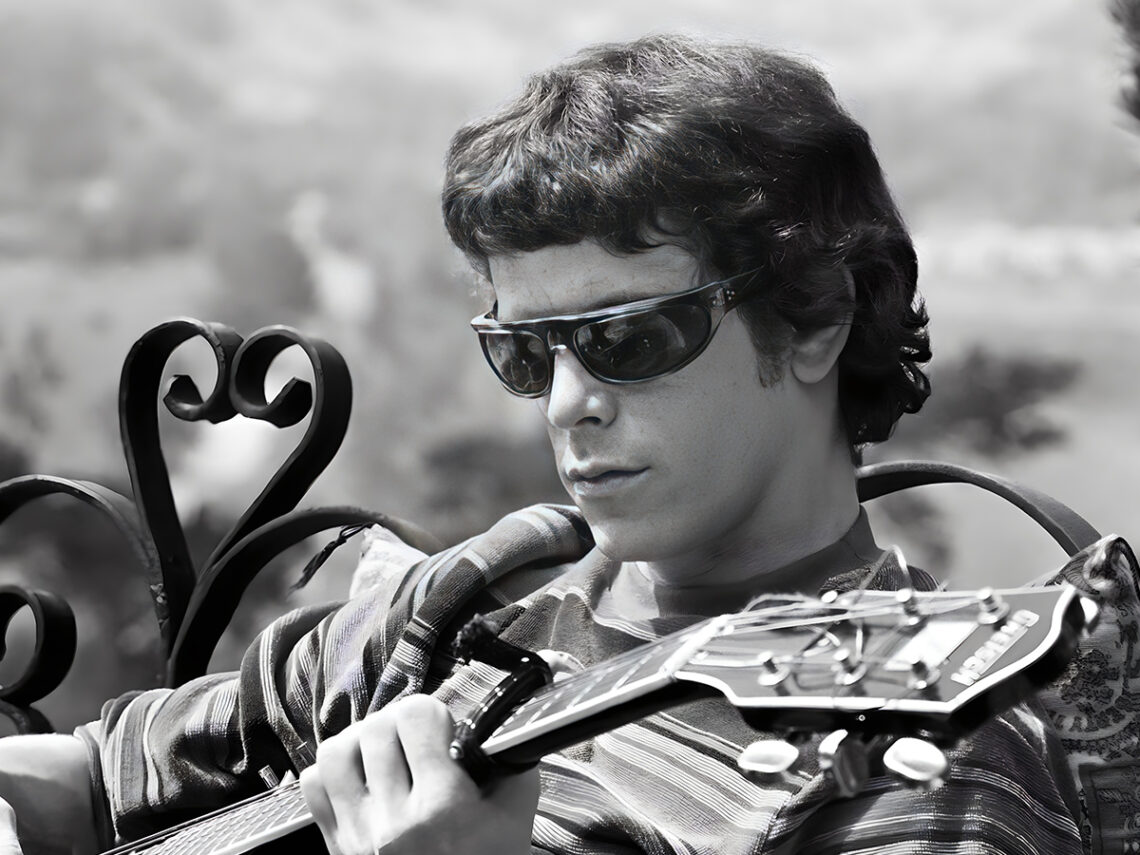
Lou Reed’s paranoid spiral: when The Velvet Underground triumphed without their stars

It’s an odd phenomenon when the lead singer has a legacy that supersedes that of their band. Their name always seems to be uttered as a prefix to the band name. I mean, you wouldn’t see Liam Gallagher and Oasis every time you spoke of the band’s legacy, would you? But somehow, whenever talking about The Velvet Underground, it’s hard to fight the temptation to mention Lou Reed‘s name before it.
Such was Reed’s impact that he felt integral to the very identity of The Velvet Underground. He was the avant-garde figurehead the band could fall behind as they started to shape a New York sound that cross-pollinated with the city’s thriving arts culture, an idea best represented by his relationship with pop art icon Andy Warhol. Together, they became the untouchable cool kids of New York’s burgeoning pop culture.
“The pop idea, after all, was that anybody could do anything, so naturally we were all trying to do it all,” Warhol wrote in his memoir POPism: The Warhol Sixties. “Nobody wanted to stay in one category; we all wanted to branch out into every creative thing we could—that’s why when we met The Velvet Underground at the end of ’65, we were all for getting into the music scene, too.”
Together, they paved the way for a new world where visual art and music could coexist, inspiring a generation of creatives behind them. Warhol created his Exploding Plastic Inevitable events as part of the mission to inspire. It was a series of multimedia exhibitions that showcased performances by The Velvet Underground and Nico, had screenings of Warhol’s films, as well as dancing and performances by regulars of Warhol’s Factory, especially Mary Woronov and Gerard Malanga.
However, Lou Reed and Nico were absent when the group scheduled a week’s worth of performances in Chicago. He had recently contracted hepatitis, an infection that was the later cause of his death in 2013, and Nico removed herself from the shows, citing personal issues and, more generally, a lack of interest in the performances that would ultimately lead to her exit.
So, The Velvet Underground was left without two of its most talismanic performers, leaving questions of the show’s future unanswered. Rather than canning the shows, the band pressed on. Former member Angus MacLise temporarily rejoined the band on drums while Cale sang and played organ, and Tucker switched to bass guitar.
And in an outcome that entirely debunks the theory I presented earlier, whereby Reed’s influence is deeply embedded in the band’s success, the makeshift Velvet Underground line-up continued to deliver stellar performances. Sadly for fans, this line-up never played together again, as Reed was sure to let MacLise know it was a temporary thing. Hence, the audience who were treated to those short bursts of shows that saw the band explore lengthy jam sessions can rest knowing they witnessed a part of music history few others will ever experience. I guess Warhol got his wish after all.
