


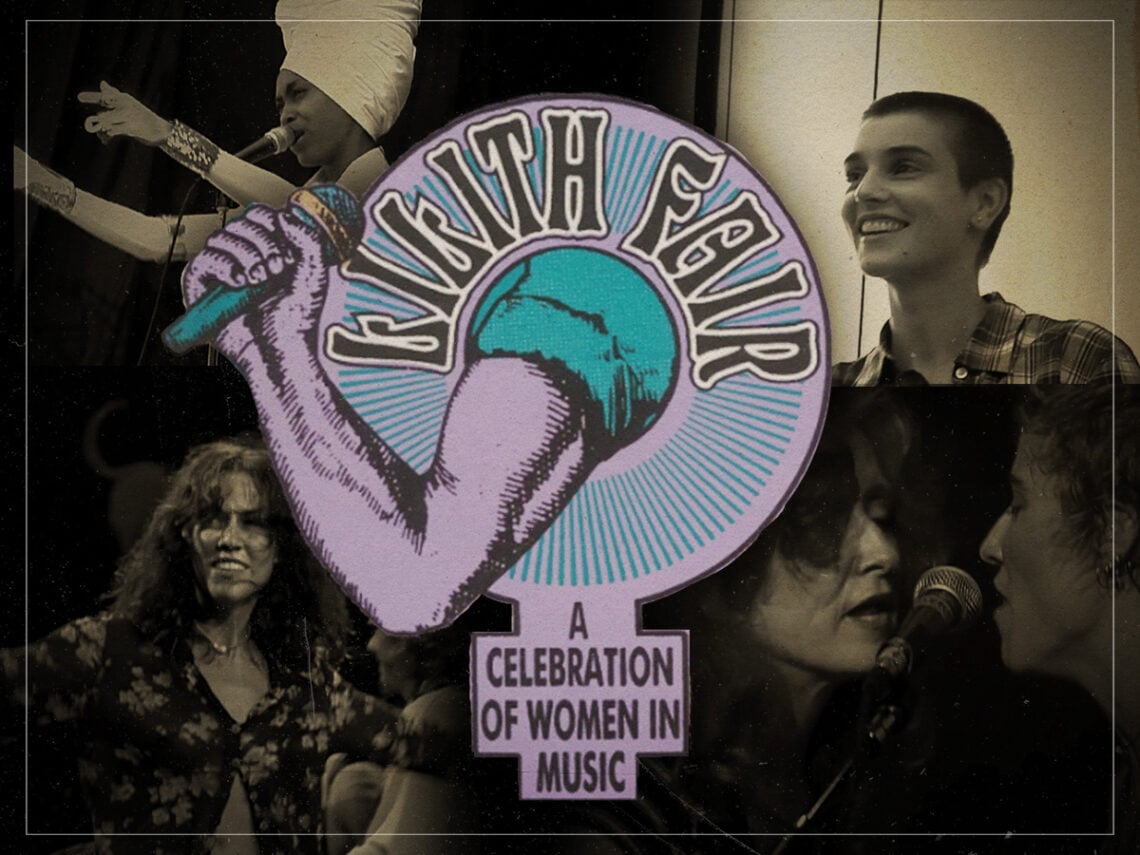
Lilith Fair: When an all-female music festival went to Washington State

People often forget how much work remains before true gender equality is achieved. Beyond the obvious headline issues such as the persistent global pay gap, gender-based violence and the lack of basic rights and freedoms for women in many countries, the wider effects have filtered deep into culture, including areas like music festivals.
Even in 2024 and 2025, gender inequality was stark on lineups as men made up between 63% to 74% of all bookings, and women lagged behind at only 21% to 30%, and that’s only looking at the names on the poster and the people in the spotlight. Behind the scenes of the music industry, the stats are even worse as women are underrepresented across the board in roles like audio engineers, producers and even into more corporate roles in record labels.
I can already hear the chorus: ‘Maybe not enough women want these jobs’, or ‘maybe they’re just not as good’. But the data tells a different story. Research from the Musicians’ Census found that more than 50% of women working in music have experienced gender-based discrimination, and a third have faced sexual harassment. It also showed that women are generally paid less than their male peers, even when they are more qualified or better trained. On top of that, women in music tend to have shorter careers, likely as a result of these same barriers. So when we talk about the need for better representation and continued efforts toward equality, this is exactly why.
In the meantime, while women continued to face barriers in a music industry that is supposed to be rooted in joy and expression, they looked for their own solution. More accurately, they created a reprieve. Musician Sarah McLachlan envisioned an all-women festival and turned that vision into reality.
Surely every woman has had this conversation with their other female friends, asking the question, ‘What would you do if there were no men for the day?’ The answers almost always bask in the freedom of imagining a world free of the dangers associated with things like walking alone at night or going to events alone, and a big one is often just wanting to wear whatever you want at a festival and dance without the fear of harassment or groping, all of which turned into the reality of the Lilith Fair.
Marrying the dreams of female artists wanting to be respected, and female music fans wanting to feel safe and have fun, McLachlan saw that the misogynistic music world of the 1990s, with its punk pop and lad rock obsession, wasn’t going to grant them their wishes, so she made it happen on her own. More specifically, she was also frustrated with feeling cut off from her female peers and decided to take the step.
At that time, it was clear that promoters would actively avoid booking more than one woman in a row on tour lineups or even on the radio, constantly keeping them apart so as not to alienate male fans. “I’d walk in and do an interview, and they said, ‘Well, we’d love to add this song, but we can’t add you this week because we had a Tori Amos or because we added Tracy Chapman or because we added Sinéad O’Connor’. And it was extremely frustrating,” McLachlan explained to NPR about the climate then.
There was a prevailing limiting belief that a tour with more than one woman simply wouldn’t sell, which she disproved in 1996 on a successful tour with Paula Cole, but then, she wanted to take it further. In 1997, the Lilith Fair tour was launched, travelling around the US and Canada for three whole summers, with only a lineup of women. Each stop ended up sold out, and with a huge rotating cast of artists dropping in to different dates, the calibre of the women involved was crazy.
Sinéad O’Connor, Fiona Apple, Tracy Chapman, Erykah Badu, The Cardigans, Emmylou Harris, Sheryl Crow, Beth Orton, Pat Benatar, Dido, Suzanne Vega, the list goes on, and with a clear point to prove about their worth and power in the industry, Lilith Fair didn’t have a hard time convincing the women in music to come on down.
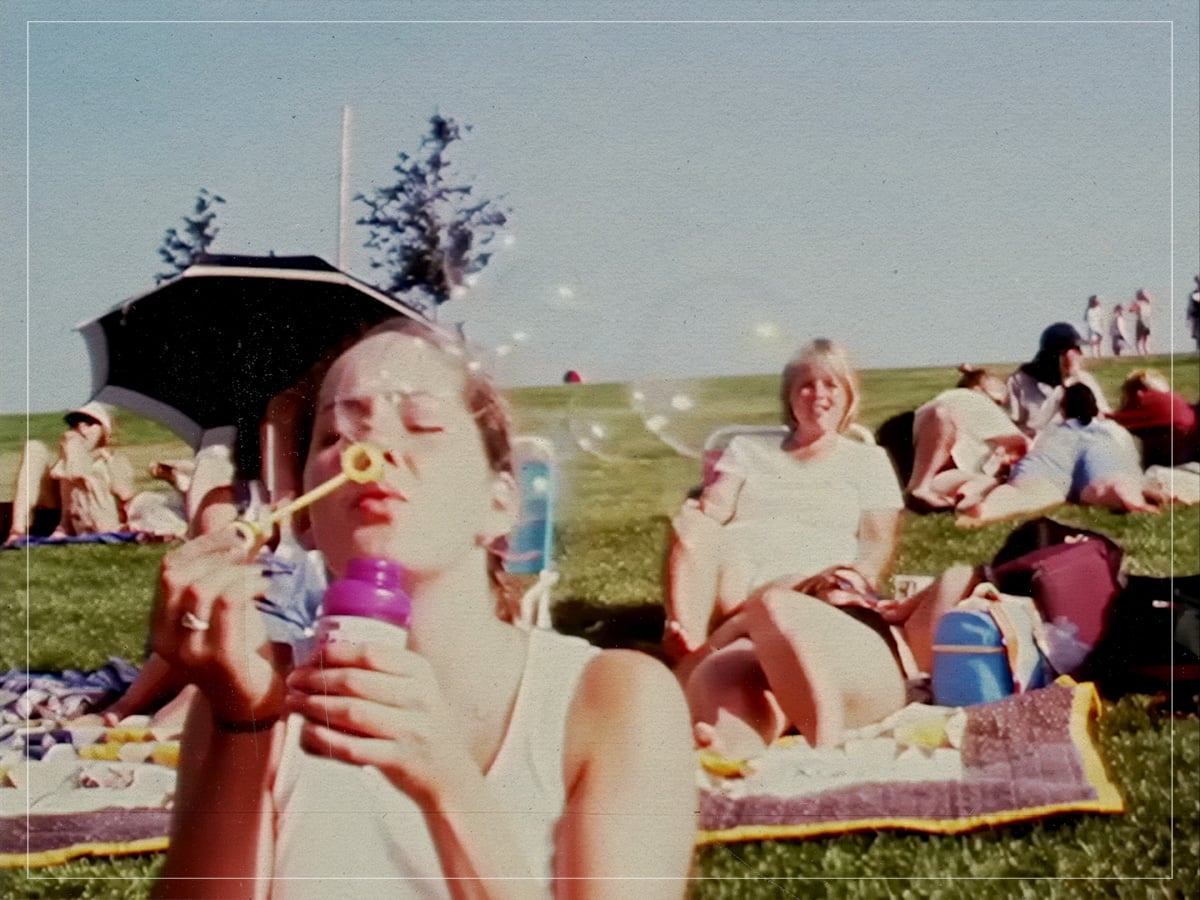
But no date was bigger than its opening stop in Washington State in 1997; after proving the concept on her own tour and gathering names, Lilith Fair hit the ground running instantly, proving to the men in the industry that this wouldn’t just work, but would be historic. At The Gorge Amphitheatre, the all-female lineup played to a sold-out crowd of over 27,500 fans, going on to become the highest-grossing tour of the ’90s.
The knock-on effect of the event is still rumbling as artists of younger generations recall being there, including a young Lena Dunham who called it a foundational experience, empowering her to believe that women good make an impact. And yetsic fest decades on, the issues are still there, the fight still continues.
