

The dark side of the acid counterculture movement
Read More


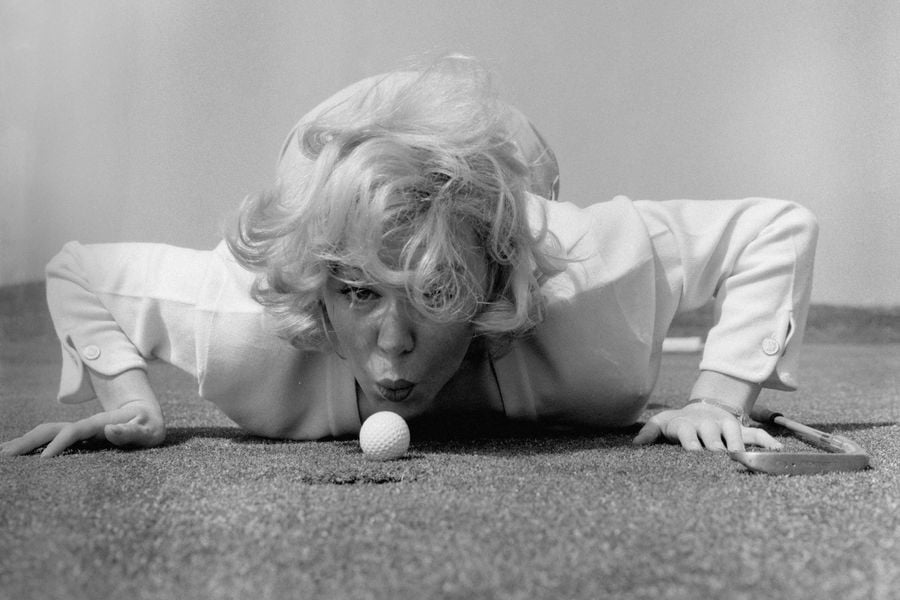
Kathy Kirby was reportedly the highest-paid singer of her generation. She represented the United Kingdom at Eurovision and finished an uncharacteristic second place. She was one of the most beloved and celebrated stars that the mid-1960s offered. Why then, is it the case that many of you may have read this headline and asked, ‘Who?’
Cult heroes are one thing, but stars who have escaped the doldrums of cult status and sailed to the top of the charts in one beloved swoop are quite another. How then, did Kirby go from celestial stardom to stints in a psychiatric ward and, ultimately, dying destitute and her passing not even making the evening news?
Dubbed the ‘Golden Girl of Pop’, Kirby had huge hits with covers like ‘Secret Love’ and her charming manner beguiled a nation. She was in a league with the likes of Lulu, Cilla Black and other lauded talents, but a turbulent trajectory has seen her airbrushed from the discourse of British cultural history. That says a lot about what happened to Kirby when her fame started to fade, but also about society as a whole.
Kirby’s beginnings in showbiz came when her prodigious singing talent led her into the path of bandleader Bert Ambrose. It was 1956, she was 18 and he was 60. Despite this Ambrose would not only become her bandleader, but her manager, mentor and lover. This alarming age gap came with its own inherent problems. For one, his dated musical choices somewhat hindered her blossoming career when the ‘60s fully got swinging. Secondly, his socialising days were dwindling to an end, thus, Kirby met few fellow stars in the industry and this left her shy and isolated when performing.
However, his death on stage in 1971 also had a huge impact on her. She had become reliant upon him in every which way, not to mention the profound emotional strain, as despite the stark and seemingly troublesome age gap, the pair were devoted to each other. Ambrose’s death also coincided with her sudden decline in popularity. Her cutesy curls, opulent lip gloss and big balladeer stylings were old hat now, but they were also all she had come to know.
By 1975, Kirby was bankrupt, homeless, and arrested over an unpaid hotel bill. The judge sent her to St. Luke’s Psychiatric Hospital. Later, it would be revealed that she had been living with undiagnosed schizophrenia for a large part of her life. However, perhaps the most telling tug of turmoil that Kirby faced was the fact that she was largely just abandoned.
The likes of Sandy Shaw visited her, and Paul McCartney once sent a small cash donation despite only meeting her a couple of times, but the brutality of showbiz’s wayfaring ways bore a blunt force on Kirby. Left in obscurity, her own personal problems were exacerbated, and no safety net was there to help. The prowess of a star who could rattle the rafters of a sold-out big band concert hall with the ease of a bird taking flight, just can’t capture the same majesty during halftime at the bingo, and that left Kirby despairing and facing all the inevitable pitfalls that come with that.
Her eventual destitution is not a unique tragedy of the era either. There are many more tales of sixties stars succumbing to rapid downfalls; from Danny Kirwan, who was sacked from Fleetwood Mac because, as Mick Fleetwood told Men’s Journal, “he was wonderful, but couldn’t handle the life,” eventually ending up homeless on the streets of London; to Jackson C. Frank who likewise went from being the most promising star in a folk scene that included Joni Mitchell, Bob Dylan and Paul Simon to spending most of his life in institutions or on the streets.
Despite how condemnable this might be and the portent that offers to society about looking out for those who quickly face vulnerability from seemingly unimpeachable heights. There is also a lighter note to Kirby’s legacy, and that resides in the grace that she always expressed. Despite dower circumstances, the soul of her song remained even if it wasn’t being extolled in front of millions of adoring fans anymore.
She might have passed away in 2011 when the press met the news with a whimper, but her music remains as stirring as ever and as people delve back into the fruits of the mid-1960s her resurgence is underway and will inevitably continue. You can’t keep a voice like that down for too long.
