


What was the first song in history to ever mention weed?

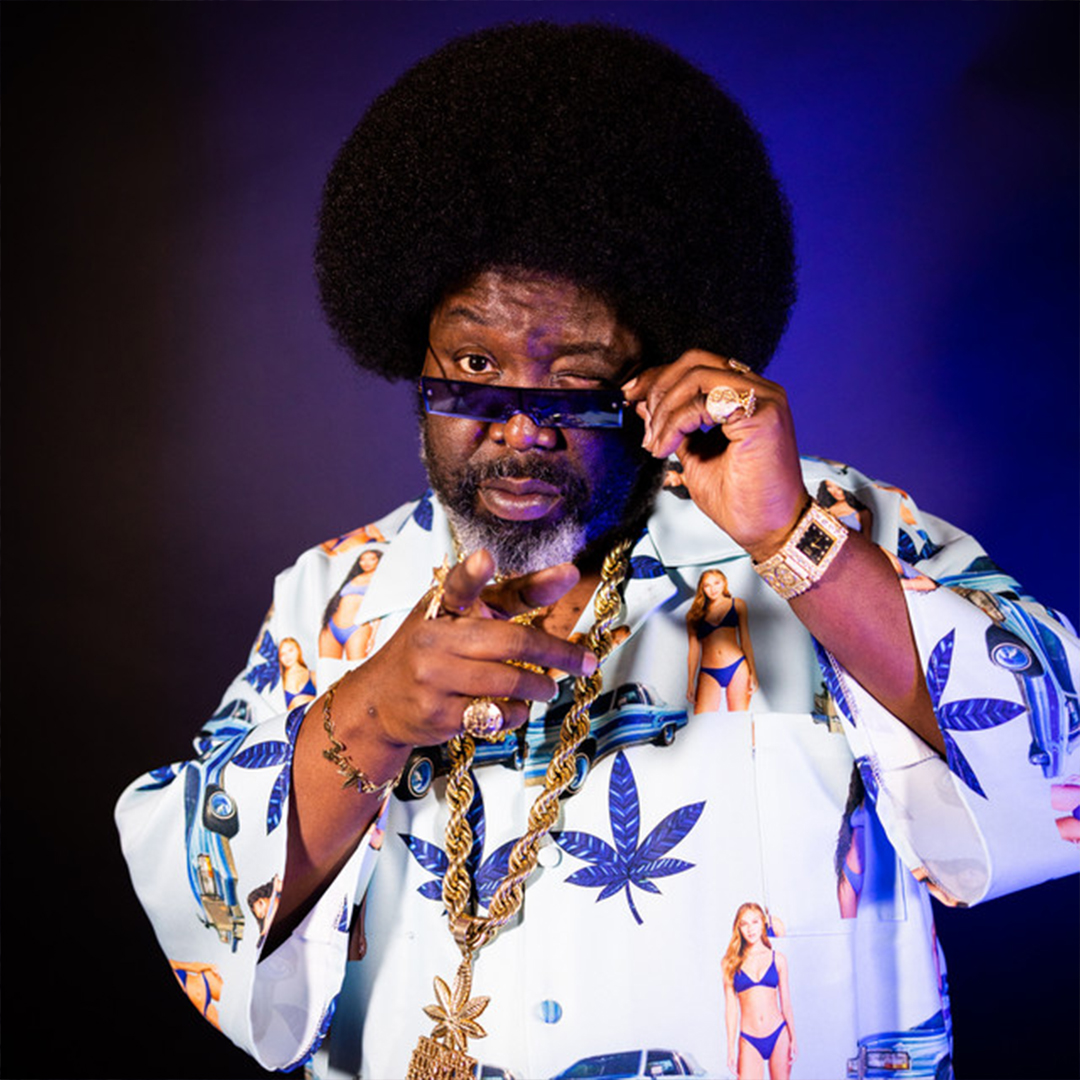
The reference to drugs in music today is hardly taboo. It could be argued they are spoken about so much that modern artists are doing so in a bid to seem “cool” instead of ending up looking cliché and dull. There are a vast number of songs released in the past few decades that reference weed, which people love singing along to, including classics like ‘Young, Wild and Free’ by Snoop Dogg, ‘Because I Got High’ by Afroman and ‘Hits from the Bong’ by Cypress Hill.
As time passes, cultural shifts occur, and what we can and can’t say changes within them. The reference to drugs in all kinds of art, including music, film and literature, is much more common now than it was a few decades ago. It’s interesting to look back and contemplate when these cultural changes occurred and when it suddenly became appropriate for people to refer to drugs in their songs.
If asked this question up front, most people would suggest the late ‘50s or early ‘60s. It was around this time that rock music began to change, the suits were steadily ditched, hair grew longer, and hippy culture became mainstream. When you listen to music from this time, references to weed (and all drugs, for that matter) became common, and this is when the cultural shift came into place; however, that doesn’t mean these songs were the first to reference drugs.
Just because the mention of weed wasn’t mainstream doesn’t mean that people weren’t smoking it. Consider other taboos such as swearing; just because nobody was saying the word ‘fuck’ in the music they were writing doesn’t mean people didn’t say it in everyday life. The same goes for weed. All its introduction into music did was make it mainstream; its actual use likely didn’t change that much.
Even though the mainstream use of weed in music came in the ‘60s, the first time it was referenced was way before that. There is an ongoing debate about when the first time was, and several potential answers exist.
The first is the most obvious: Cab Calloway and ‘The Reefer Man’, written in 1932. Whenever an old song has a title that uses a modern term, there is always the risk that it might be interpreted as a term of the time, which means something different today than it did when it was written, but that’s not a risk with ‘The Reefer Man’.
The track starts with Calloway talking to a band member. They both observe a man, and Calloway says he’s “full of that reefer,” to which his bandmate responds, “You mean that cat’s high?” The rest of the song is a somewhat satirical take on drugs, depicting people who smoke weed as delusional, the smoker in question convincing himself that he can walk on water and thinks watermelons are pickles.
There is also Louis Armstrong’s ‘Muggles’, which dates back to 1929. It’s an instrumental track that doesn’t outwardly mention the drug, but it’s fair to assume that it was made in reference to it. Before JK Rowling coined the term, ‘muggles’ or ‘mug’ was Harlem slang used for weed. Armstrong was never shy about his use of the drug, and he was even one of the first celebrities arrested for possession. As such, this dream-like instrumental will undoubtedly have been created as an ode to weed.
The first instance of weed dates back a lot further than either of those options, though, so much so that it’s hard to pinpoint a year accurately. ‘La Cucaracha’ is a Spanish folk song which is still sung today. It’s more associated with Mexico due to the country’s embrace of it, but the song did originate in Spain in the mid-19th century. The first iteration of it is unlikely to have mentioned weed, but later iterations began to incorporate it.
As with folk songs, the structure is kept the same, but whoever is singing will change the lyrics to reflect their personal lives and circumstances better. A popular verse in the song, which is still sung in standard versions of the classic, references smoking marijuana. The lyrics are translated as, “the cockroach, the cockroach // can’t walk anymore // because it doesn’t have, because it’s lacking // marijuana to smoke.”
The verse remains one of the most popular modern renditions and is even used in cartoons such as ‘Looney Tunes’ during Speedy Gonzales episodes. Slow Poke Rodriguez is often heard singing the song, and the character is portrayed as slow and sluggish.
As culture shifts, so too does what we can and can’t say change. The mention of weed in modern music is so standard that it’s hardly newsworthy, but old songs that referenced it were ground-breaking. Despite songs from the 1920s and ‘30s making homage to the drug for better or worse, it seems appropriate that one of its first documented appearances represented the people singing it rather than the song itself. ‘La Cucaracha’ is a folk song that is manipulated to reflect the times it’s been sung, so a reference to the drug when people would have been smoking only seems appropriate.
What are some other great songs about weed?
The history of weed and music is a rich one. Jazz musicians such as Fats Waller and Louis Armstrong are alleged to have been notorious dope smokers, and the drug is said to have been a common feature of those hazy concerts during the Harlem Renaissance. The New York beat poets who grew up on the trad jazz of the 1930s and ’40s were also advocates of marijuana. Take Allen Ginsberg, for example, who, in The Great Marijuana Hoax, called for the legalisation of weed on the grounds that it was a “useful catalyst for specific optical and aural aesthetic perceptions.”
Ignore the cheesier side of the tribute to marijuana, and you will find some truly great tracks written in as an ode to the god-given leaf. ‘Sweet Leaf’ by Black Sabbath is one of the better tracks written for the famed narcotic. Elsewhere, The Beatles have penned one of the better tunes about the drug.
Amy Winehouse, Bob Dylan, Lee ‘Scratch’ Perry, and many many more have all added to the plethora of tunes about the drug, but it all started with ‘La Cucaracha’.
