


Short, sweet, and transformative: What was the British New Wave?

It may not have been the lengthiest movement in cinema history, but by bridging the gap between the buttoned-down 1950s and the height of the uninhibited 1960s, the British New Wave transformed the landscape of local filmmaking, with its legacy and effects being felt for decades to come.
Indebted to the pioneering work of François Truffaut, Jean-Luc Godard, and the French New Wave, the traditions and conventions of narrative features were upended in favour of smaller-scale, intimate, and authentic productions that favoured social realism to shine a light on the distinctions, divisions, and struggles of working-class life.
The key films that defined the British New Wave were largely released between 1959 and 1963, and while that’s hardly the typical mark of longevity, it was transformative for the industry at large. Carrying on the groundwork laid by the Free Cinema trailblazers, three of its most celebrated figures were Lindsay Anderson, Karel Reisz, and Tony Richardson.
Aesthetic and stylistic merits were rarely placed at the forefront, with the proponents of what would soon become the British New Wave’s distinctive approach possessing a more grounded and relatable look at urban life in the United Kingdom, with handheld cameras and spontaneity aiding the realism of using cinema to explore the sort of stories mainstream productions typically weren’t all that interested in.
Largely shot on location in working-class areas, regularly populated by a cast of untrained or non-professional actors, and featuring dialogue that wouldn’t be out of place in an everyday conversation among the target audience, the British New Wave favoured searing critiques of the government, establishment, socio-political landscape, educational failings, and effectively anything that was deemed a prescient or hot-button issue for those lower down the economic ladder.
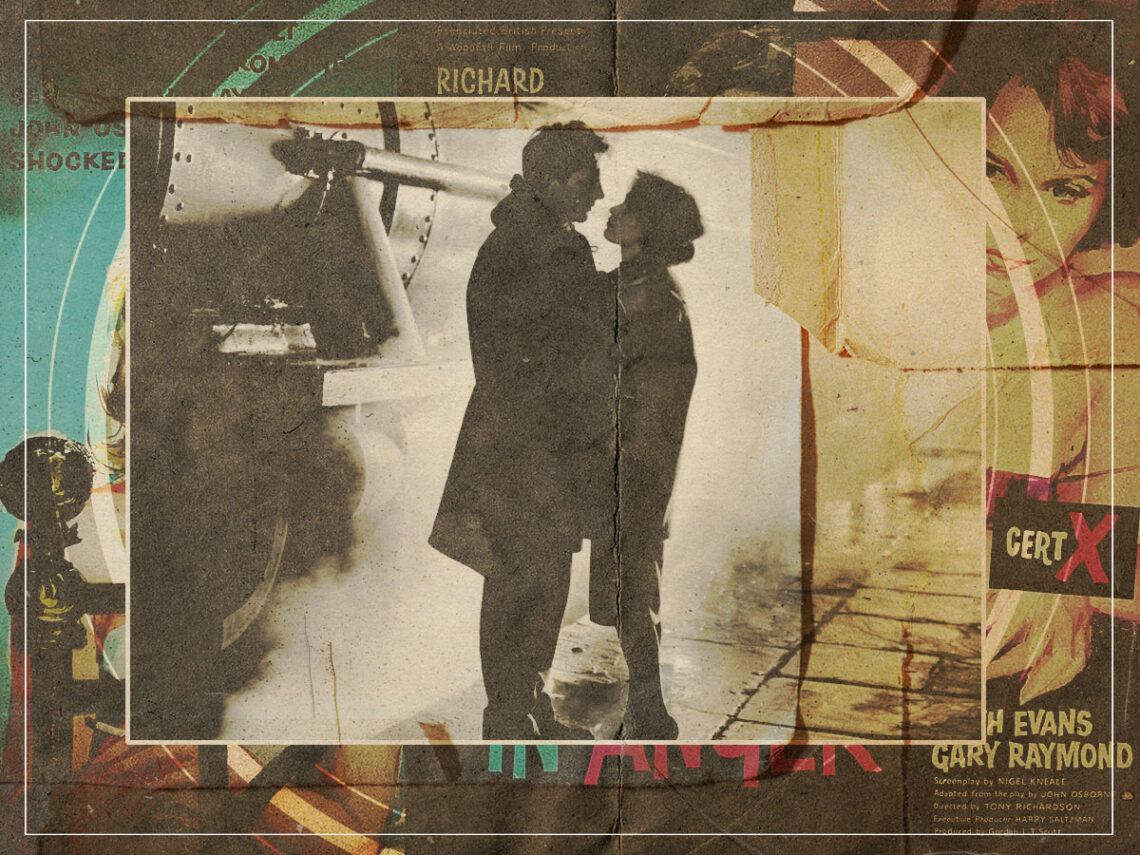
Narratively, thematically, and visually, these films were largely – and intentionally – rougher around the edges than the gloss normally associated with cinema, with Richardson’s seminal 1959 adaptation of John Osborne’s play Look Back in Anger helping to both usher in and cement what the British New Wave was going to be.
Reisz’s exploration of factory life in Saturday Night and Sunday Morning, the sweeping sense of disenfranchisement that was integral to Anderson’s This Sporting Life, the hard-hitting coming-of-age approach taken by Colin Smith in The Loneliness Of The Long Distance Runner, and the put-upon protagonists of Schlesinger’s A Kind of Loving and Billy Liar were instrumental in outlining not only what the British New Wave was planning to say, but how it planned to say it.
By the end of the 1960s, a combination of Beatlemania and James Bond had marked another paradigm shift for British cinema, with the country’s most famous exports becoming world famous cross-cultural icons, which coincided with the gradual demise of the British New Wave. Ken Loach’s Kes is heralded as its true final stand, but the key touchstones to define the movement lasted well beyond the end of the decade.
