


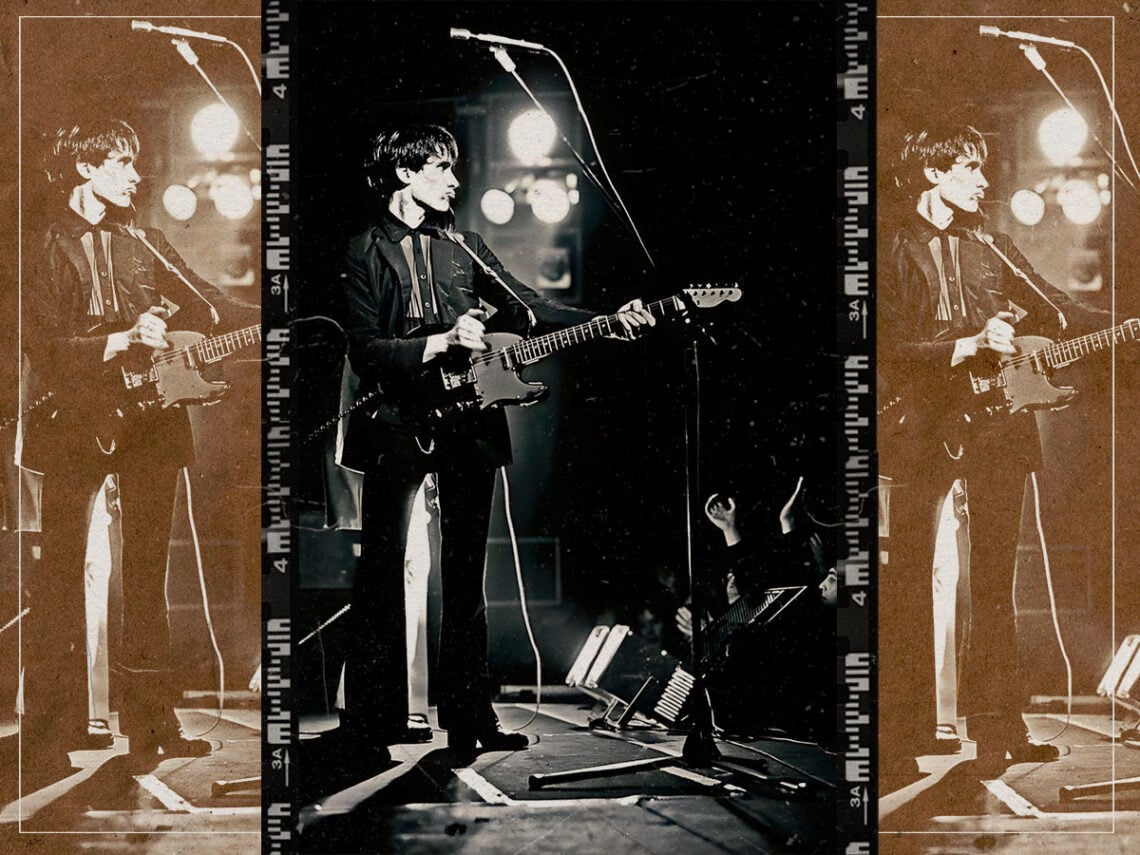
What was pub rock?

We all know the story by now. Music in the 1970s was prog rock bands in capes playing 25-minute solos in songs called ‘Ode To Mercury part 6’ until ‘New Rose’ dropped, and everything changed. It’s a good story. It’s simple: there are clearly defined heroes and villains, and like most good stories, it’s a total work of fiction. Look closer, and you’ll find two things.
First, prog was sometimes kinda good. Second, a movement with almost exactly the same feel and attitude as punk had been brewing in pubs across London for seven years before Dave Vanian wondered aloud whether she was really going out with him. This movement was, creatively enough, called pub rock.
As the 1960s ended, a generation of bands left behind the pubs they’d all cut their teeth playing at. Those venues scrambled to find replacements, and the search got so desperate that the Tally-Ho pub in Kentish Town, up until then a strictly jazz-only venue, booked the American country-rock band Eggs Over Easy for a gig in late 1971. This inspired other venues on the same circuit to do the same.
This policy attracted bands like Brinsley Schwarz, casualties from the late 1960s, trying to rebuild their reputation after the catastrophic release of their debut album. Them, along with the likes of Bees Make Honey and Max Meritt & the Meteors led to a scene made up of the veterans who’d brushed up against fame and fortune and the greenhorns who barely knew what a manager did, let alone have one. This gave the scene a very specific atmosphere, one that shunned industry nonsense and was all about the music, man.
By 1973, every pub in London seemed to have a rotating supply of quality rock and roll bands playing night after night, with the audience close enough to see each individual bead of sweat. This meant that hidden in the very DNA of pub rock was something that would prevent the scene from truly breaking out, though. Sure, these bands were a cracking night out and sounded great after enough Snakebite and Blacks to kill a grizzly bear, but when the labels came knocking, none of them could translate their magic onto vinyl. There was one exception, though.
Dr Feelgood were the scene’s great white hope. A once-in-a-generation mix of songwriting chops, a live set tighter than Robert Plant’s keks and an unforgettable look. If one band of this horrible lot was going to make it, it was them. Their first two records only made minor dents in the charts, though, before some bright spark thought, “If these records don’t translate into the studio, then why get a studio at all?!”
The band peaked in 1976 with the live album Stupidity, their only chart-topper and their last release with original singer Lee Brilleaux. By this point, however, the bloom was off the pub rock rose after many attempts had been made to take the scene nationwide. The country’s taste for a bunch of scary-looking London scenesters actively thumbing their nose at them just wasn’t there yet. They’d have to wait until they started wearing bondage gear and mohawks, which wasn’t going to come for another year at least.
Still, this was a feature, not a bug. This was a scene built around the joy of playing live for the people who got it. No one was trying to be the biggest band in the world, and those in the scene who were, like The 101ers frontman Joe Strummer, would soon take inspiration from the pub rock scene to build something even bigger from it. He wasn’t alone either; Paul Weller got the idea of supercharging modish R&B with a punk rock force from his years of going to pub rock shows.
Ian Dury got his start in music as the singer of Kilburn and the High Roads. Were these bands built to sell millions of records? No. But you don’t have to do that to change the world, which this scene undeniably did.
