


What was the first song accused of backmasking?

Rock and pop haven’t been struck with such a ludicrous moral panic as the backmasking controversies across the 1980s.
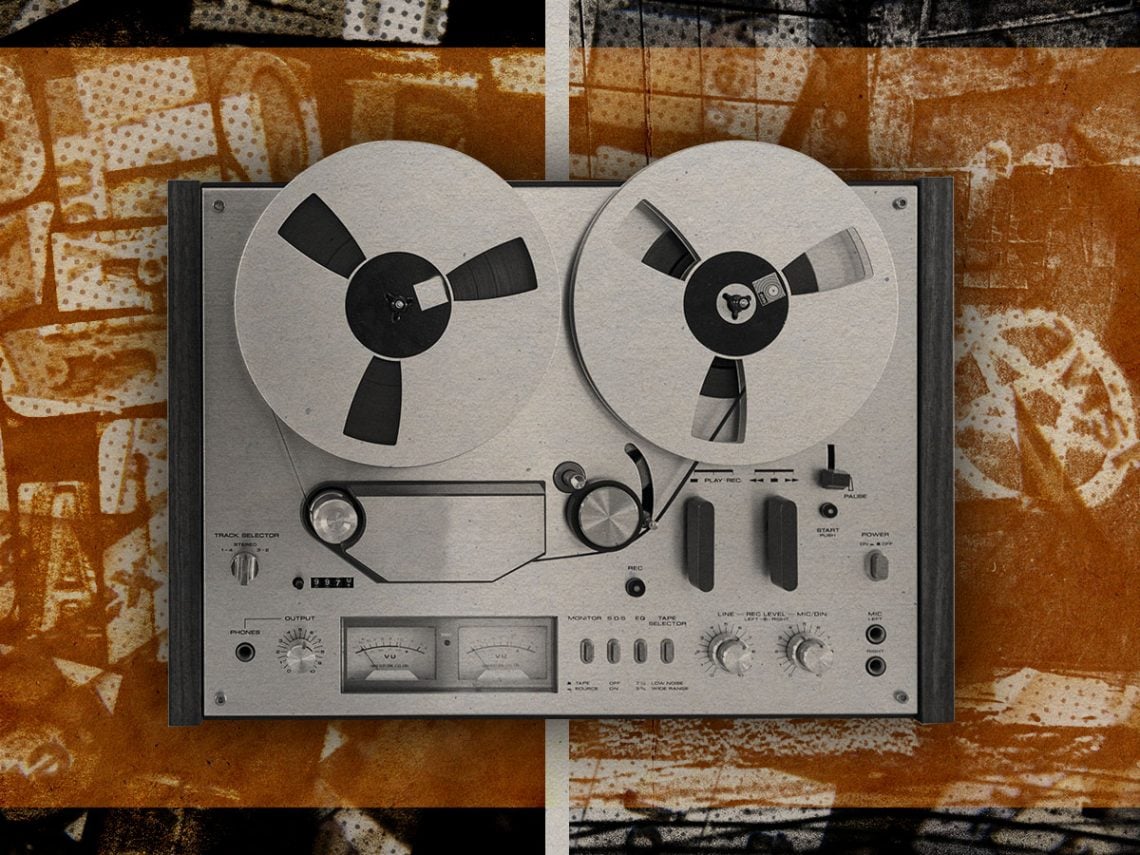
Artists have played around with such an effect for creative purposes. Deploying the novel trickery of placing a backwards-recorded message onto a track intended for forward playing, such gibberish can hide hidden messages, comic easter eggs, or, according to many Christian fundamentalist groups, sinister aural items intended for subversion.
Backmasking does have a history with the occult. Infamously, Aleister Crowley had advised in 1913’s Magick (Book 4) treatise to “listen to phonograph records, reversed” in order for his Thelemite followers to “train himself to think backwards by external means”. Initial esoteric potential didn’t last too long, however, backmasking only entered the charts in 1959 with The Eligibles pop group’s 1959 minor hit ‘Car Trouble’ laced with backwards gobbledegook instructing the listener “And you can get my daughter back by 10:30, you bum!”
The Beatles would popularise backmasking for good. Amid their studio trickery phase, fuelled by restless creativity and plentiful LSD tabs, the tape manipulations and musique concrète electronics lysergically coating ‘Tomorrow Never Knows’ and ‘I’m Only Sleeping’, would also crackle on B-side ‘Rain’s psychedelic jangle during the same Revolver sessions, slipping a backmasked “Sunshine… Rain… When the rain comes, they run and hide their heads” during the ending fade-out.
Yet, backmasking’s peak hysteria would flare up during heavy metal and hard rock’s golden age, as well as strangely pulling in the likes of even Electric Light Orchestra and Styx. Accused of hiding satanic sentiments in their records, many popular rock groups of the day found their concerts under siege by religious protestors and even discussed in Congressional hearings.
AC/DC fell foul of paranoid Christian groups when Los Angeles serial killer Richard Ramirez sighted their ‘Night Prowler’ as influence on his murder spree, claiming the number was reverse speaking “I’m the law,” “my name is Lucifer,” and “she belongs in hell,” before schoolboy guitarist Angus Young pithily pointed out that such comic bedevil was on their albums for all to see, making no effort to hide the title of 1979’s Highway to Hell. Judas Priest would even face a lawsuit in 1990, the families of two young men killing themselves in a suicide pact, alleging Stained Class’ ‘Better by You, Better than Me’ was laced with backmasked actions to “do it” throughout.
Such church paranoia and bewildered fan conspiracies naturally found their way into reversed jokes. The B-52s, Iron Maiden, and ELO all made joke backmasked smatterings in later records, the best coming from Ozzy Osbourne’s ‘Bloodbath in Paradise’ in 1988, telling the curious listener “Your mother sells whelks in Hull,” nodding to The Exorcist’s immortal expletive.
So, what was the first song accused of backmasking?
The first song in pop to trigger indictments of secret messaging comes from The Beatles’ ‘Revolution 9’.
Fuelling the ‘Paul is Dead’ myth, a caller to Michigan’s WKNR-FM DJ Russ Gribb’s show in 1969 claimed that the repeated “number nine” refrain sampled thought John Lennon’s avant-garde collage in fact was a backmasked admission of McCartney’s death, stating “turn me on, dead man” when spun backwards. “The great cover-up” Gibbs so triumphantly unearthed would linger for years, prompting scrutiny over other songs on the double-album, as well as supposed clues hinted at across the Abbey Road cover.
The earliest song to be embroiled in the satanic panic, however, was Led Zeppelin’s ‘Stairway to Heaven’ opus. While released in 1971, the televangelist network TBN 11 years later would claim their fantasy rock number in fact was a love letter to the Prince of Darkness, backmasking evil sentiments like “Here’s to my sweet Satan / The one whose little path would make me sad whose power is Satan, / He’ll give you, he’ll give you 666 / There was a little tool shed where he made us suffer, sad Satan.”
It was all nonsense. A classic case of reading into phonetic reversal whatever you want, Led Zeppelin largely ignored the furore and waited for the absurdity to blow over, while disappointed their defining hit would face such a besmirch. “To me it’s very sad, because ‘Stairway to Heaven’ was written with every best intention,” frontman Robert Plant told Musician in 1983. “As far as reversing tapes and putting messages on the end, that’s not my idea of making music.”

Never Miss A Beat
The Far Out Beatles Newsletter
All the latest stories about The Beatles from the independent voice of culture.
Straight to your inbox.