


What was the first NFT song, and is it worthless now?

For a moment around 2021, it felt that NFTs were the sure-fire future.
Not that many understood what the hell it was; arguably, most didn’t. But all of a sudden, up popped CryptoPunks, Bored Ape Yacht Club, and reports of millions being made by celebrities and brands eagerly adding their name to the new NFT fad.
For those who still can’t wrap their head around what the fuss was about, a Non-Fungible Token is a digital item that can confidently be claimed as being legitimately owned by someone and existing with certified originality. In economics, something fungible is a commodity that can be exchanged while keeping its value, say my £20 for your two tenners. The opposite would be an original painting. No matter how many prints of the Mona Lisa exist out there, Leonardo Da Vinci’s original that hangs in the Louvre isn’t ‘yours’ by virtue of owning a copy; its value derived from the historical worth.
With this understanding, an NFT is a digital asset that cannot be copied or replicated, whereby ownership and authenticity are recorded via a blockchain ledger. It doesn’t matter how many images or JPEGs one creates from a Bored Ape or Beeple artwork; the digital ‘original’ can be certified by looking up the blockchain’s complex cryptographic hash records to ascertain its true owner.
Originally, NFT interest was largely centred on ‘artwork’ and collectables, offering the satisfaction of genuinely prizing a trinket or decorative item on your figurative shelf, knowing the intangible item was entirely yours. However, it didn’t take long for the music world to begin eyeing the commercial potential that NFTs were supposedly ushering in.
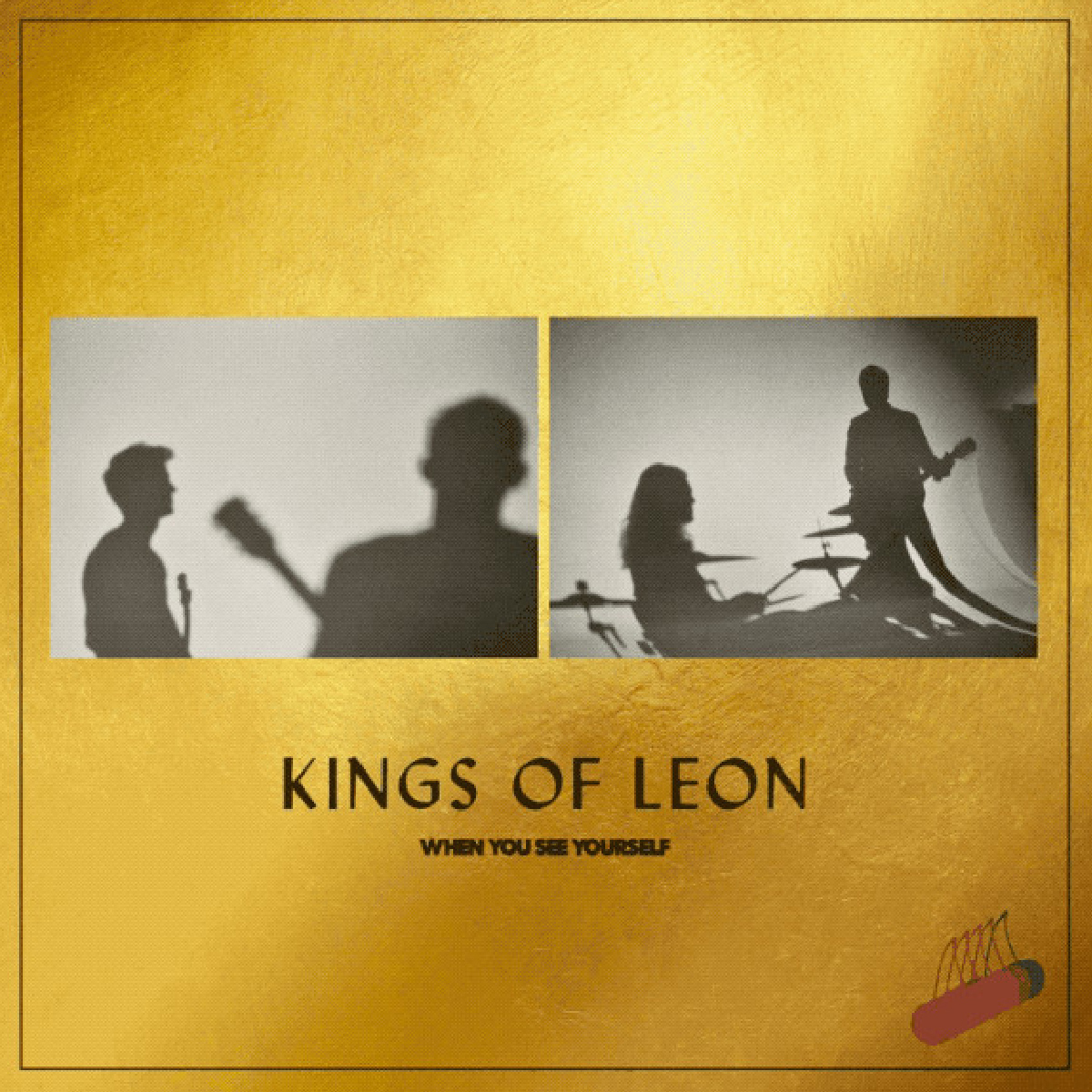
Aside from artists endorsing or adding their likeness to NFT items, the first major band to release an NFT album was Kings of Leon, offering eager fans a digital copy of 2021’s When You See Yourself for $50 a pop. Muse would join in the following year, with Will of the People released as 1,000 NFTs and the first album to qualify in the UK and Australian charts via NFT sales.
So, what was the first NFT song, and is it worthless now?
As was suspected, the NFT bubble burst around 2022 after the market peaked early in the year. Before long, trading plummeted, and experts stated that as much as 95% of NFT items had lost virtually all their worth.
It’s hard to know exactly how such market volatility affected 0x071E…1F98’s prized possession of the first-ever NFT song, the wallet address of the anonymous individual who coughed up 13 ETH for the milestone track, ETH being the Ether cryptocurrency native to the Ethereum decentralised blockchain platform.
This was serious money, worth a whopping $23,000 in the real world for Canadian experimental electronic artist Jacques Green’s ‘Promise’. With record label LuckyMe announcing the auction, diehard fans wouldn’t just stand as proud owners of the track, but would legitimately own its publication rights and be in charge of its future licenses from then on.
It’s unprecedented territory, and sets aside a whole new dynamic between artist and fan, as well as ensuring a return in the face of dismal streaming revenues. The owner of Jacques Green’s ‘Promise’ NFT hasn’t lost anything either. With ETH worth rising since, it’s likely that the song has gained an extra $2,500 since its first purchase, and with the publishing rights in their hands, a lot more real-world dollars can be had should the right project want their hands on the electronic cut.
