


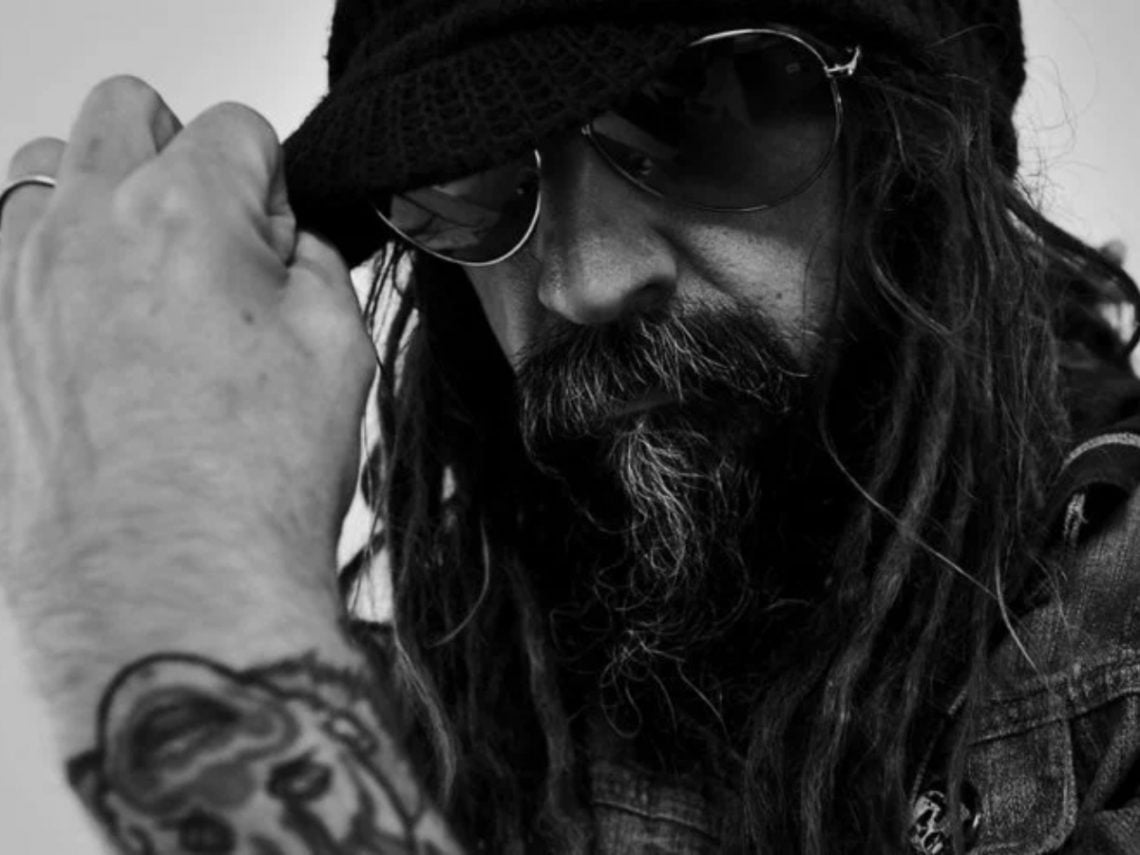
What makes a Rob Zombie horror movie?

A founding and treasured figure in the community of subversive cinema, Rob Zombie is a celebrated and sometimes controversial American horror filmmaker and metal musician. His work in film and music has garnered success for its embrace of the punk aesthetic, using experimental approaches and unconventional imagery to tell his sinister tales. These traits are exhibited in his idiosyncratic horror movies, 2005s The Devil’s Rejects and 2007s Halloween remake, while his albums, such as The Sinister Urge and Hellbilly, fall under the extreme metal category.
Zombie is also an ever-present auteur in the horror community, gaining a passionate legion of fans from across the globe thanks to his endearing love for the genre. Appearing in popular horror documentaries such as Bravo’s 100 Scariest Movie Moments, in which he expresses his love for many horror classics such as The Shining and The Exorcist, Zombie is also vocal about his love for movie memorabilia, collecting horror props, costumes, movie posters and skulls to decorate his house.
During an interview with The Flashback Files, Zombie revealed how the subcultures he became involved with as a child fuelled his later career in horror. “I think growing up as a kid – I lived on the East Coast – in an old New England town that looked like Sleepy Hollow, where there were lots of old cemeteries. So, there was always that look about everything,” the director shared. Continuing, he added: “Also, in the late sixties, there was a big boom of horror on television because that’s where I saw everything. All the old Hammer films were on the old Universal films. There were TV shows like The Munsters, The Addam’s Family and The Twilight Zone. There was so much horror stuff. I think that all influenced me. Ever since then, I’ve been into it.”
When the director channels his passion for bygone horror into his creative work, he creates some compelling yet truly underrated horror features. Zombie’s passion for the genre makes his form of filmmaking utterly idiosyncratic, solidifying some frequent trademarks that make each of his movies distinctive. A Rob Zombie horror film presents a specific vision of horror filmmaking that exhibits a gritty and twisted nightmare.
First, as a horror director, Zombie prioritises visceral carnage and shock over atmospheric tension and suspense, with blood and gore taking centre stage. This factor can be identified when comparing his 2007 vision of Halloween with John Carpenter’s original from 1978. The latter showcased how a filmmaker can terrify audiences with thorough and well-executed suspense rather than just blood-soaked violence, a trait that defines ’70s horror. Carpenter’s iconic slasher killer, Michael Myers, lurked and stalked in the shadows as an unsettling, eerie bogeyman figure, keeping his attacks simple and quick with one or two sharp slashes. However, Zombie’s take on the horror icon was far more brutish, presenting an intimidating and sinister force, with Myers terrorising his victims with violent and prolonged murders. Zombie’s version, however, went for more than just one stab; he broke bones, slashed eyes and tore bodies apart.
Another trope Zombie favours are the menacing, disturbing antagonists, who often meet a fitting comeuppance after stalking the innocent protagonist throughout the movie’s runtime. In Halloween, Zombie included an abusive and perversive stepfather whom Myers slaughters after witnessing the sexual violence he exerts over his mother and sister. Myers then violently murders two correctional officers who sexually assault a female patient in front of him. Thus, Zombie layers his graphic portrayals of extreme violence with a sense of twisted justice, adding more subtle nuance than it may seem on the surface. Furthermore, Zombie enjoys exploring the psychological damage of graphic violence as a whole. Often focusing on characters who thrive off sadistic, savage and cruel ideologies and antics, as seen in his Firefly trilogy, consisting of House of 1000 Corpses, The Devil’s Rejects and 3 From Hell. These movies depict a family of psychopaths who find innate joy in exerting vile torture and murder on innocent victims, leaving no room for any shed of remorse.
Zombie’s antagonists are particularly sinister, revelling in their torture and murders, laughing when they make their victims hit one another before killing them. This villainous mania gels the antagonists as more than just surface-level killers, creating more of a psychological case study. The director balances these undertones with his iconic gritty visual palette, presenting vivid colours of red in artificial and unconventional lighting. In turn, Zombie upholds classical horror iconography with his own spin. “I really like handheld camerawork. I like really rough movies,” he shares, emphasising his vision and approach in genre filmmaking as one that aligns extreme visuals with appropriate content.
The filmmaker also employs darker themes to accompany his extreme visuals, such as satanic worship, as seen in his 2012 film Lords of Salem. The movie sees a female disc jockey immersing herself in an all-woman satanic cult, exhibiting Coven imagery and Satanic values as a merge of nightmarish and surreal storytelling. Zombie employs images of people being chained and confined, showing crucifixes lit in flames and tortured, perishing victims to emphasise his startling vision of horror. He pushes boundaries with religious imagery and ideas of binding worship, tying it in with graphic violence to elevate an eventful watch for horror enthusiasts.
Zombie’s contributions to the horror genre adopt explicit violence, disturbing characterisation and content, with striking colour coded in their artistic direction. These films relentlessly utilise genre codes and conventions, showing Zombie as a filmmaker who understands horror and its audience, exerting his opinions on the genre whilst creating cult films to appease those who enjoy extreme visions.
