


What killed the big band era?

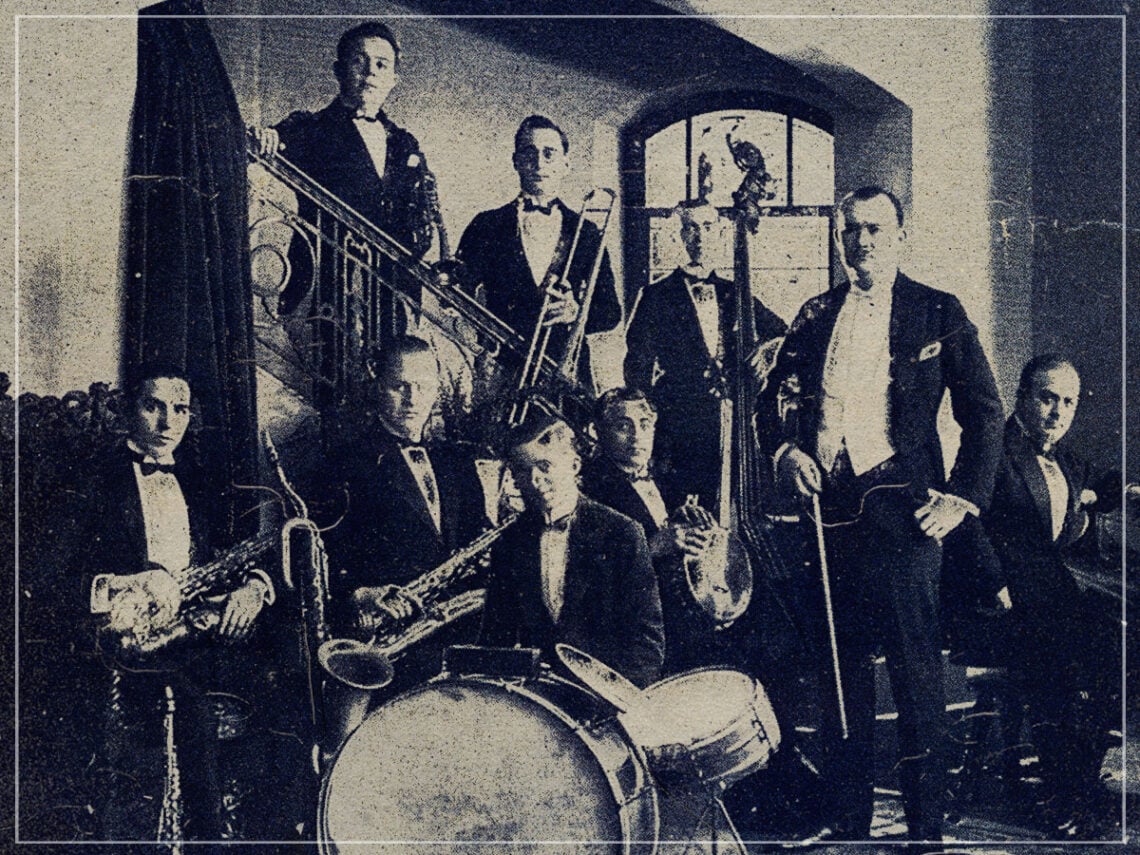
The big band era, also known as the swing era, was a period in American music history that roughly spanned from the mid-1930s to the mid-1940s. It was characterised by the widespread popularity of large jazz orchestras, or ‘big bands’, which typically consisted of ten to 25 musicians. Known for their powerful, swinging rhythms and complex arrangements, these bands trace back to early jazz music from New Orleans inspired by ragtime and blues. However, as the 1940s drew to a close, these influential figures began to lose their prominence, marking a pivotal chapter in the history of jazz.
During the 1920s, the advancement of new technologies meant that bands had the opportunity to grow in size. The Fletcher Henderson Orchestra stands out as a trailblazing ensemble among the pioneering big bands. Based in New York, this orchestra boasted exceptional musicians, including the renowned trumpeter Louis Armstrong and accomplished saxophonists Benny Carter and Coleman Hawkins. Another significant milestone in the genre’s history occurred when Duke Ellington’s orchestra secured a residency at the Cotton Club in Harlem in 1927, significantly expanding the reach of big band jazz music to a broader audience.
Amid the Great Depression’s challenging times, the appeal of big band music surged. Guided by influential bandleaders such as Tommy Dorsey, Benny Goodman, Artie Shaw, and Chick Webb, the big band era flourished during the 1930s. This flourishing period gave rise to a fresh wave of popular swing dances, including the lively jitterbug and the vibrant jive.
During World War II, big band melodies reigned supreme on the airwaves. Esteemed vocalists like Ella Fitzgerald and Frank Sinatra introduced a fresh dimension to the jazz orchestra’s harmonious tapestry. By the latter part of the 1940s, the swing era was approaching its conclusion. On the streets of New York, musicians and bandleaders such as Charlie Parker and Dizzy Gillespie crafted a novel style referred to as bebop, an intricate form of jazz.
Although the big band genre never fully recaptured the zenith of its heyday, budding musicians like trumpeter Thad Jones and drummer Buddy Rich established their own prominent big bands, perpetuating the tradition throughout the subsequent decades. By the late 1940s and early 1950s, musical tastes were also evolving. Bebop, for instance, was quite different from the danceable, swing-oriented music that characterised big bands, and this shift marked a significant departure from the style that had dominated the previous two decades.
The large ensembles of big bands also required substantial financial resources, which meant that maintaining a big band was expensive, and during and after World War II, the economic landscape was changing. Musicians’ strikes, such as the recording ban of 1942-1944, also disrupted the big band industry and affected the distribution and promotion of big band music.
Although many cite other factors, such as cultural shifts and the rising prominence of rock and roll, as leading reasons why the big band era faded, it could be that the musicians’ strike provided the last nail in the coffin, so to speak. The strike was initiated by the American Federation of Musicians (AFM), a labour union representing professional musicians. The AFM had previously conducted strikes in the 1930s to address issues like low wages, long hours, and working conditions in the music industry.
During the strike, most recordings involving AFM members came to a halt, affecting various music genres, including pop, jazz, country, and classical music. Although it succeeded in shifting the balance of power between musicians and recording companies, the strike suspended and even ended many popular recording artists’ careers.
Ultimately, before the strike, big bands dominated the music scene. After it, and arguably as a result of it, the big bands began to decline, and vocalists started to take over. A pivotal moment in the ascent of the vocalist took place when Sinatra shared the stage with Goodman and his Orchestra at the Paramount Theater in New York City in 1942. Despite being the most popular singer in the country at the time, Sinatra was billed third on the program, and Goodman had no prior knowledge of him.
The audience responded with five minutes of thunderous cheers and applause when Goodman introduced Sinatra. Goodman, taken aback, famously exclaimed, “What the hell was that?“. As Sinatra began to sing, the audience’s enthusiasm persisted, with cheers and applause punctuating every song. This proved one thing: major vocalists had arrived, and they would infiltrate the minds of many to come. As a saxophone player later said, “When Frank hit that screaming bunch of kids, the big bands just went right into the background”.
