


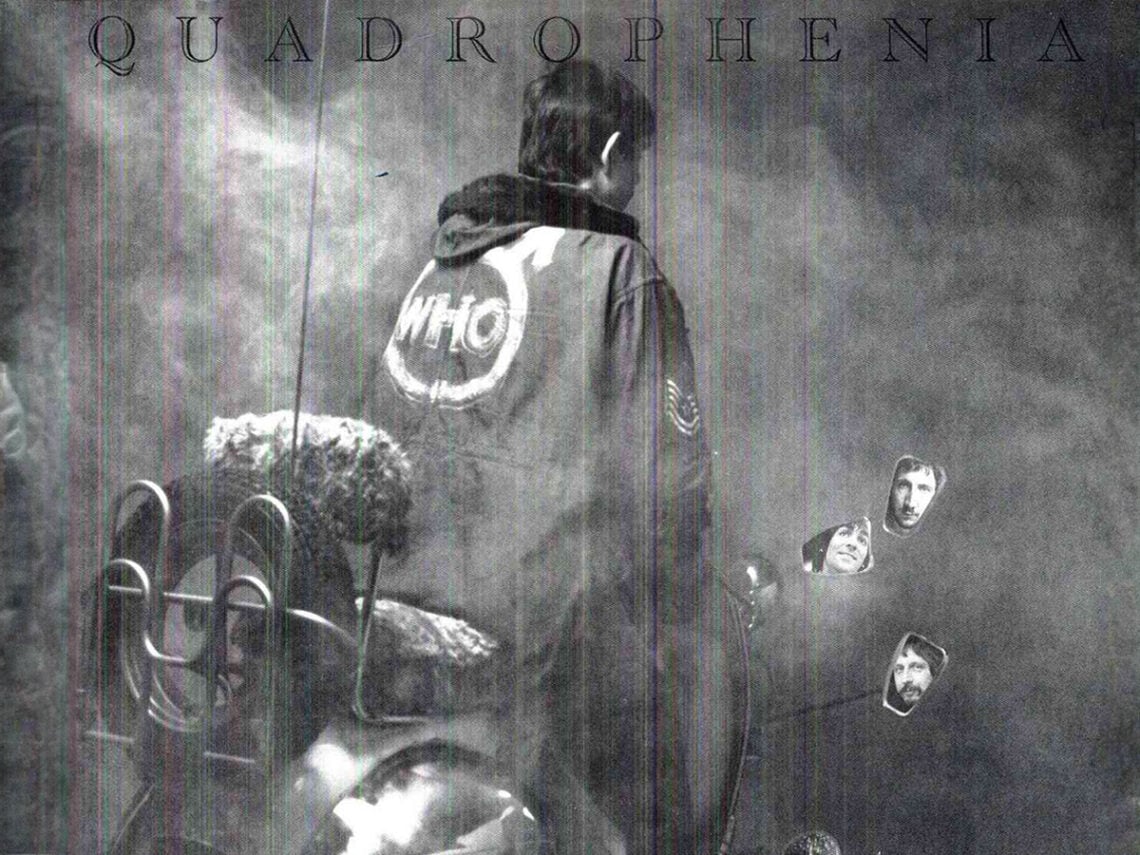
Why did The Who call their album ‘Quadrophenia’?

The Who were arguably one of the most ambitious bands of their time. They were initially a part of the British invasion because of their exciting sound, catchy rock music and energetic stage presence. Still, their unique approach towards music and the LP have kept them in the spotlight up until this day.
There are distinct differences between something being in a musical format and an album format. Often, when people try to weave a narrative through elongated pieces of music, they sacrifice replayability. The album has to be ingested as a whole rather than tracks individually. It was ambitious to take on an album with a narrative woven through it and something that labels were less likely to consider.
When Hamilton originally went to Broadway, it became one of the most successful musicals ever written. It was such a hit for several reasons, but a central selling point was that the songs on there could be used as songs from the charts and as components that went towards the bigger picture. They worked as a whole but could also be listened to as singles. People spoke about the musical as if it was the first piece of music to achieve this, but The Who pipped them to the post some four decades earlier.
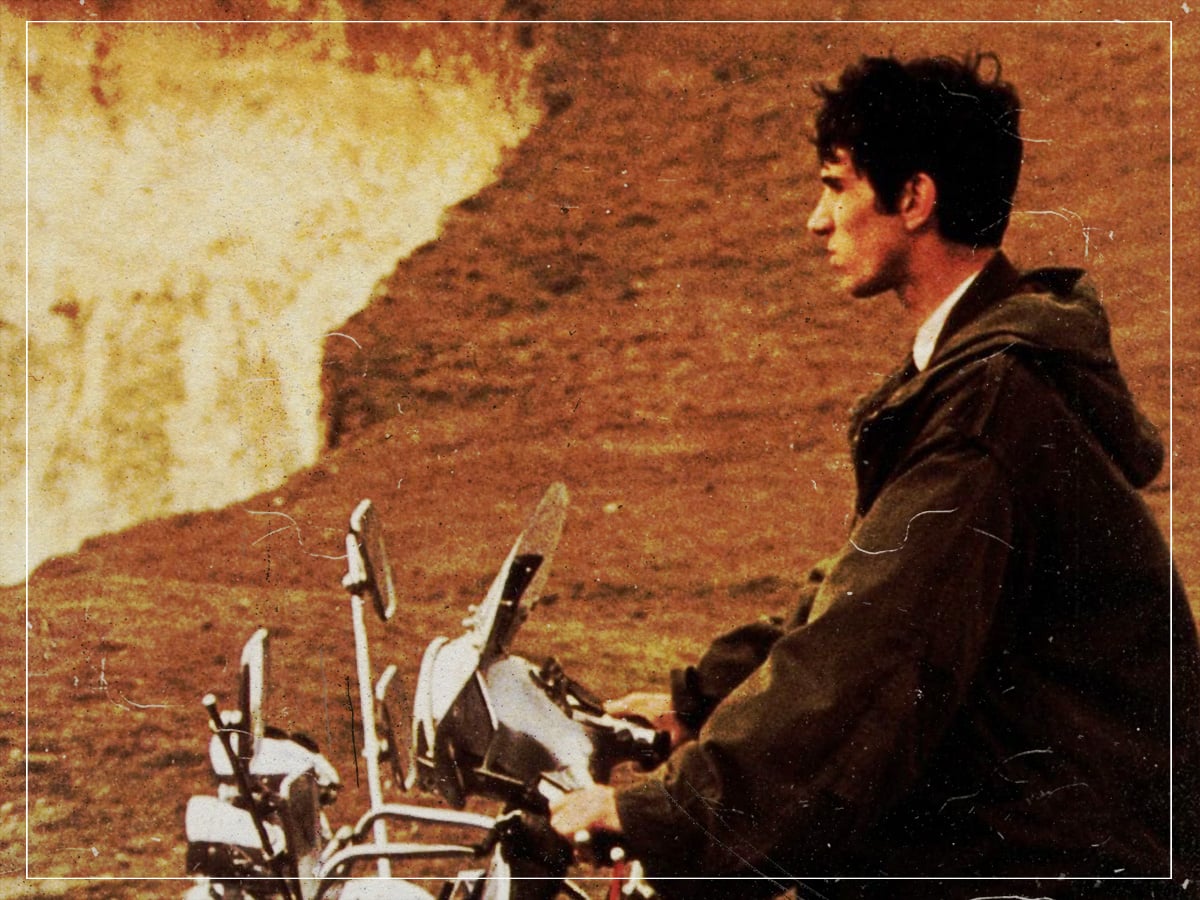
Tommy was a successful rock opera, as was A Quick One, While He’s Away, but one of the most memorable and culturally significant albums that The Who ever released was Quadrophenia. The band’s third rock opera follows a young mod called Jimmy, who searches for self-worth and importance in a fast-moving and ever-changing world.
This album – and the subsequent film – has become a quintessential part of mod culture. The word “Quadrophenia” is almost a rallying cry for Lambretta’s, Chelsea cuts and docs. In that sense, it has taken on its own meaning, one which has significant cultural significance in and of itself. However, the actual meaning behind the album title is not widely known.
As music evolves, so do the ways we listen to it. In the ‘70s, people were keen on developing exciting ways to establish how music was consumed so that it sounded better and became more immersive. We would turn to high-quality earphones or surround sound these days, but before them, people used Quadrophonic sound.
The quadrophonic sound was an early attempt at surround sound. It involved using four speakers instead of the usual two, which created a more full-bodied and immersive experience. It never caught on because the equipment was too expensive, and people couldn’t afford it. Still, in its short run time on the market, several albums were used to record it, which included Pink Floyd’s Dark Side Of The Moon, Kraftwerk’s Autobahn and John Lennon’s Imagine.
No matter how chaotic an album title might sound, most usually have some form of logic attached. With such an unlimited imagination, many people have always thought Quadrophenia was something Pete Townshend had made up, and that has since taken on a life of its own, but it was a means by which he used to consume music, and that subsequently influenced his output of it. As the words state, “I’m bleeding Quadrophenic.”
Is the album their best?
For many lovers of The Who, Quadrophenia might not quite be their best ever record, but it certainly captured a moment in time. Written following the massive success of Tommy the record captured the growing nostalgia for the Mod movement of the 1960s. Released in 1973 alongside the brilliant feature film, the record was a pinnacle for one member of the band.
When Pete Townshend was asked about this album, he replied by saying: “The group never recorded anything that was so ambitious or audacious again”. This was Pete’s favourite Who album, and considering his tough critiques of pretty much everything the band have ever done,that is saying something.
