


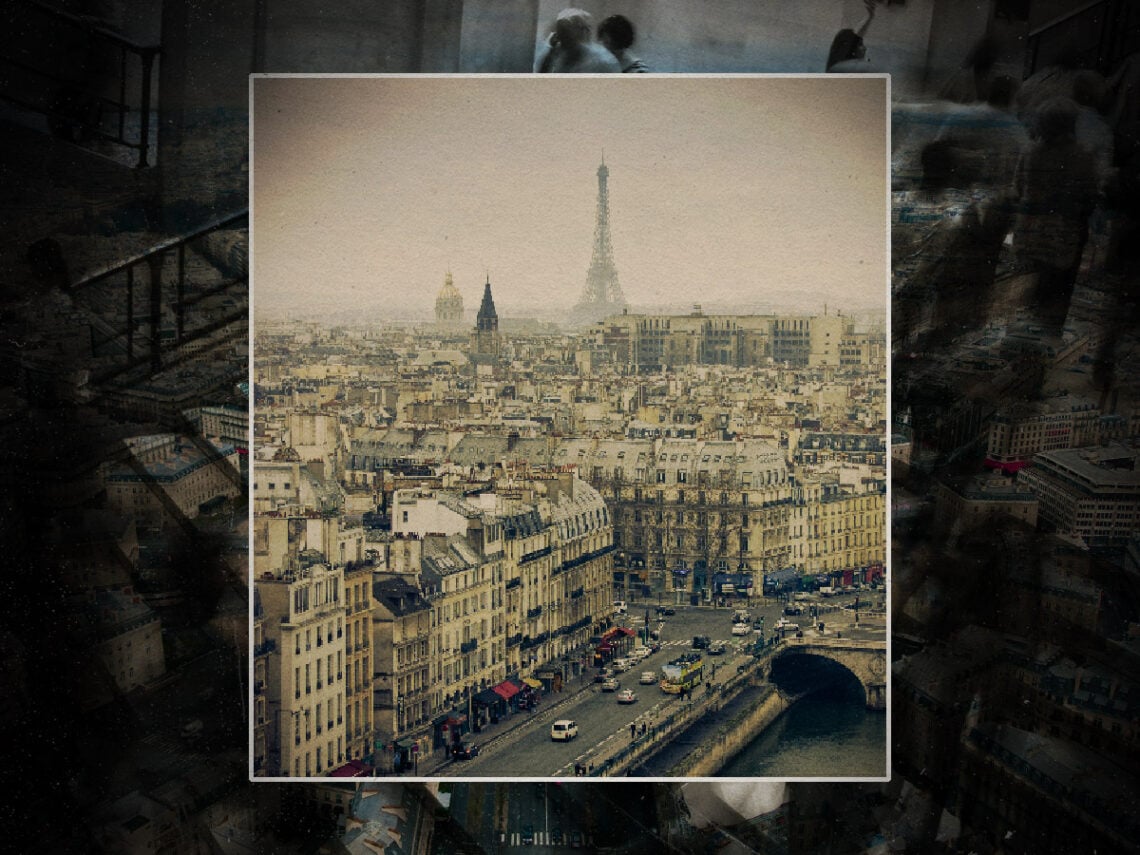
What is Paris Syndrome?

We’ve all been there where you book a holiday, suffer through the flight, only to land up finding that the place isn’t what you imagined, the room in the hotel is too small and doesn’t look like the pictures, and the weather isn’t what the forecast told you, with you having to leave your shorts in the packing cube.
I grew up dreaming of visiting Egypt and seeing the pyramids, only to be shocked by how those iconic ancient buildings were backed into by homes and busy roads, the squalor and mess of Giza taking me aback and out of the fantasy. Stunned by the insistence of local shopkeepers that I had looked at their art long enough that they followed me for 20 minutes, I reflected upon the failure of Cairo to meet my expectations for two weeks after, as I struggled with a stomach illness that ruined my trip and had me dreaming of being back in Blighty and tucked in bed.
However, this is Paris Syndrome and not the Cairo condition, and this seemingly chic and stylish-sounding phenomenon is a rare psychological reaction that some Japanese tourists have to the city when it fails to meet their lofty expectations, with the description that really sums it up perfectly is that it’s an extreme form of culture shock.
The term originated in the 1980s from Hiroaki Ota, a Japanese psychiatrist, who had been working in France, and with his own eyes had seen many of his compatriots arrive in the city, only to be shocked and stunned by the real Paris, so much so that it caused severe distress.
Now the two questions that come up are, why Paris and why the Japanese, so let’s dig a little deeper into that.
Firstly, we need to consider the romanticisation of the French capital, wherein there aren’t many other places on the planet that are spoken about in revered tones like Paris. The city is defined by romance, with cobbled streets that have been written about in a thousand love stories, with literature and film having built up a reputation for it that it can’t possibly ever match. Paris has become a byword for style and elegance, being the home of global fashion and culture, exuding effortless cool with the soft house of Daft Punk being the soundtrack.
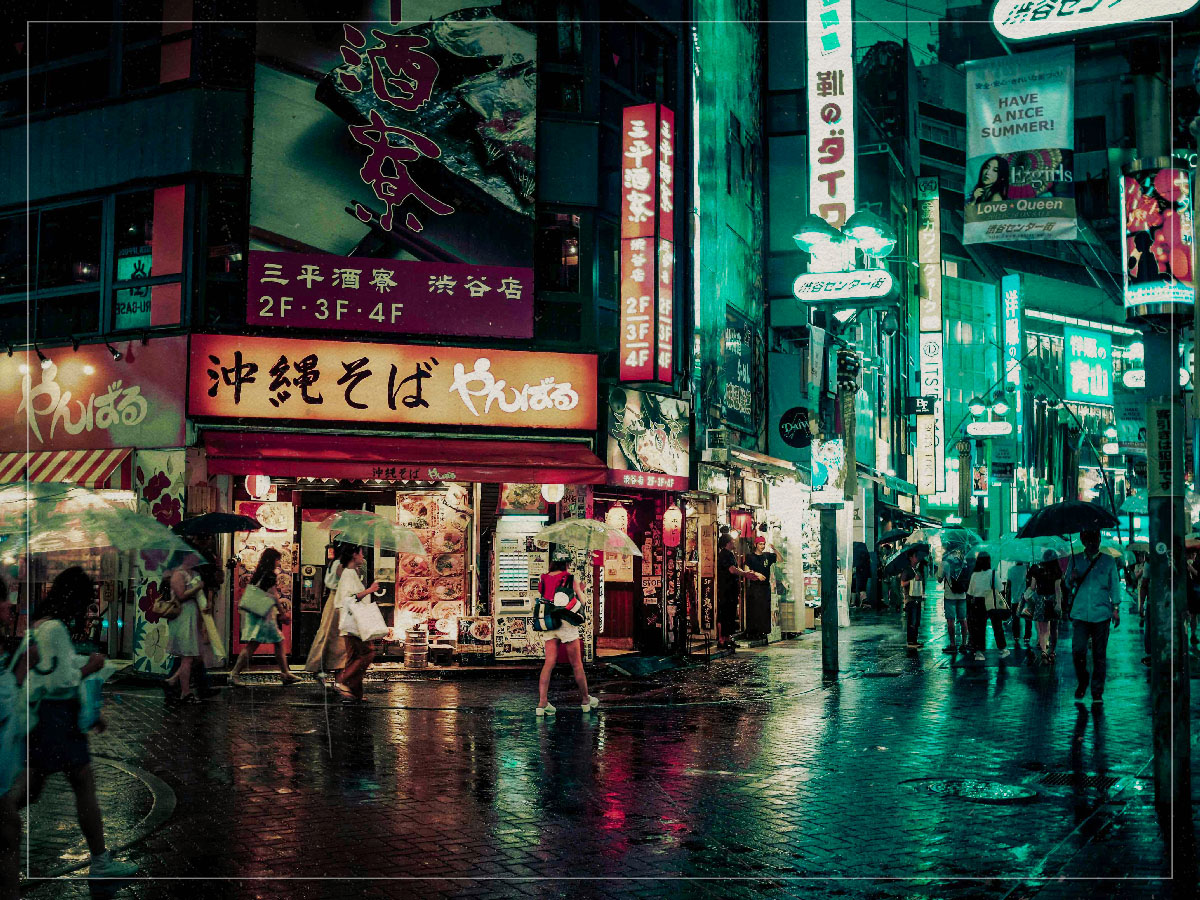
Japanese tourists, themselves familiar with Tokyo, another city that blends style and culture expertly, come to Paris expecting to see what they saw on the screen, but what they are faced with isn’t Emily in Paris. It’s also said that of all visitors, they feel the biggest clash with the realities of city because of their culture. It’s become a stereotype, but whether it’s their football team cleaning up their changing room after a game, or the effusive way that service staff treat you in Japan, it’s a country with high values for hospitality, respect and order.
If you’re used to being treated with a warm smile and unending politeness, then it must be jarring to experience Parisian service, with its eye rolls, bluntness and fuck-off attitude. Add that to a language that the majority of Japanese tourists don’t understand, with a touch of jet lag and a potential splash of some pre-existing psychological conditions, and Paris provides the perfect cocktail for a manic episode.
With symptoms going from anxiety to paranoia, through to depersonalisation and even sometimes full-scale delusions through hallucinations, the majority of reports talk about a raised heartbeat, dizziness, depression, or even vomiting, and in some cases, people being hospitalised. An estimated 20 Japanese tourists suffer from a bout of Paris Syndrome every year, with the Japanese embassy even opening up a helpline that any sufferers can call to receive help.
While this might appear confined to a certain population, it’s important to recognise the greater relationship between the media we consume and how that can stoke our expectations, to the point where something that might just seem like a harmless TikTok or Instagram reel, might be magnifying your hopes for your next destination, which could lead you to feel let down by its reality.
