


What does being a ‘diva’ really mean? The misogynistic history of a controversial label

The term diva has long been associated with female performers. According to the official Oxford Dictionary definition of the word, a diva is “a self-important person who is temperamental and difficult to please (typically used of a woman)”. For decades, female Hollywood icons and pop stars have been branded with the term for various reasons, painting them as difficult, rude, selfish, and aggressive.
While this is certainly the case for many stars (of all genders) who let fame get to their heads and then lash out at those they consider beneath them, it can’t be denied that many women are called divas when, really, they just know what they want, won’t be bossed around by others, and have the courage to go after their goals. In other cases, anxiety and insecurity can be misconstrued as diva behaviour, such as turning down signing autographs or being reluctant to do interviews.
At what point are people jumping to use the term diva in place of ‘a woman with boundaries’? Old Hollywood icons like Greta Garbo and Marilyn Monroe have been dubbed ‘divas’, but this term fails to harness any nuance. While Garbo’s reclusiveness might have been perceived by many as snobbish, and her arguments with MGM executives deemed unprofessional, we cannot truly know the reasons behind her actions. Still, it’s a cheap blow to simply brand her a diva instead.
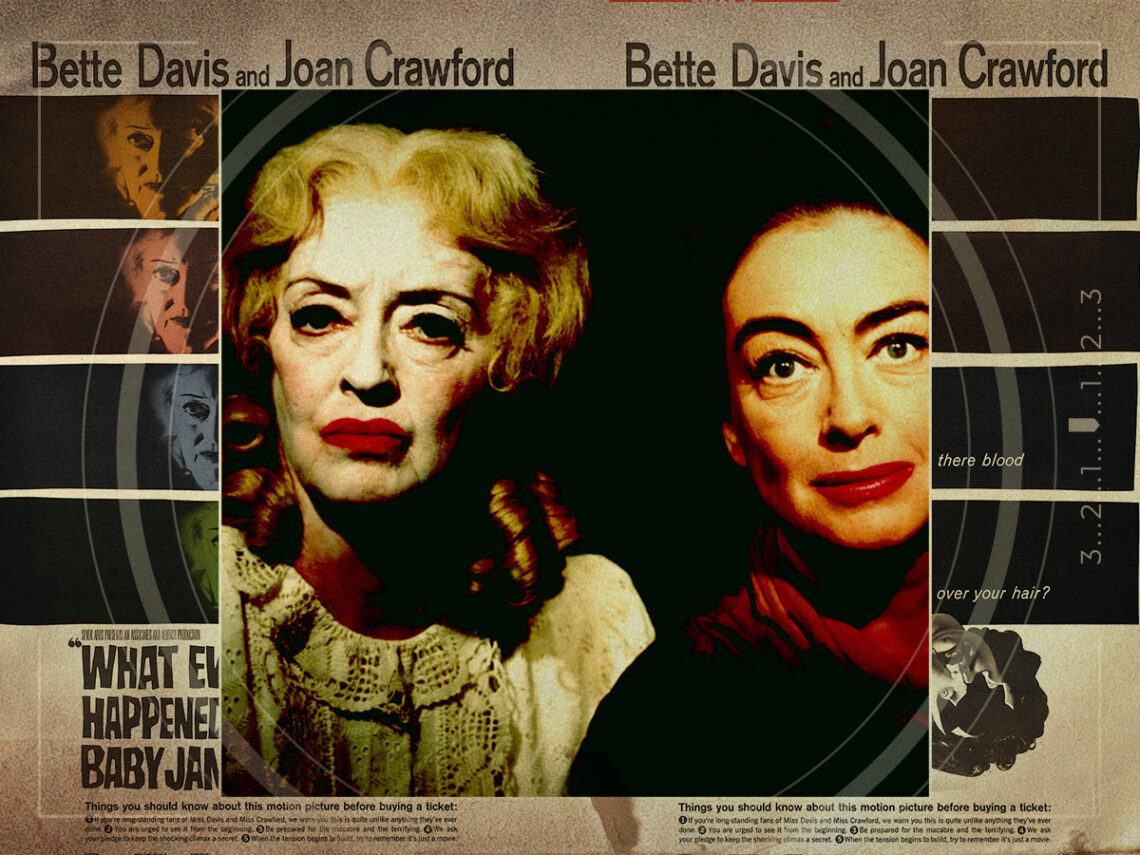
A Hollywood star whose diva label has arguably more legs to stand on, at least from an outside perspective, is Bette Davis. Known for her short temper, love of gossip, and drive for perfection, many people have labelled her a diva. While these facts are likely very true – Davis might have very well been an insufferable person to be around – how much of this criticised behaviour was enacted by male stars, too? There were just as many hard-to-work-with men in the industry – and continue to be – who do not receive the diva label. And even worse, many of these men committed acts far worse than arguing with directors or looking down on others – like sexual harassment or abuse.
“This doesn’t make any sense.”
ariana grande
Davis wrote in her memoir, The Lonely Life, “I have always been driven by some distant music — a battle hymn no doubt — for I have been at war from the beginning. I rode into the field with sword gleaming and standard flying. I was going to conquer the world.” Her determination for cinematic excellence is outlined here, loud and clear. For many people, especially during this golden age, seeing a woman act determinedly to achieve success was startling and, quite frankly, enough to earn them the diva label.
In Beyoncé’s song ‘Diva’, she tells us that a “diva is a female version of a hustler”. Certainly, when men work hard – even if that means neglecting their families or lashing out at crew members for not understanding their creative visions, for example – they rarely get criticised in the same way. For a female star to lean into ‘hustle culture’ and creative perfection is to become selfish, arrogant, over-confident, and a diva.
Various stars have spoken out about the diva label in the past, like Ariana Grande, who revealed in an interview with Zane Lowe that her reluctance to do interviews for some time was due to such connotations. Explaining, “I felt like whenever I would get into a position where somebody would try to say something for clickbait or twist my words or blah, blah, blah, I would defend myself. And then, people would be like, ‘Oh, she’s a diva.’”
She added, highlighting the patriarchal double standards, “I was like, ‘This doesn’t make any sense.’ Because I have an opinion about something that was an opinion artistically or if I am directing something, or if I have something to say regarding a choice that’s being made with my career or something, blah, blah, blah, it always was in the past manipulated and turned into this negative thing, whereas I don’t see that with men.”
Being a woman in the entertainment industry is evidently hard to navigate, and you’re at risk of being called a diva if you have a disagreement with someone on set or refuse to attend certain events. There is certainly a lot of diva-like behaviour in Hollywood and beyond – we’re not denying that – but really, do we need to keep resorting to the term diva as soon as a woman expresses something bold or takes control?
If you’re not running to call a man a diva, then why are you calling a woman one for similar behaviours? By using a term that reduces a person to a flimsy stereotype, you strip a person of their identity and complexity. Considering that much of what we know about celebrities has been constructed through the media, we can never be sure of what a person is really like unless we know them personally.
In a world where women are routinely placed into categories, often with negative connotations, like ‘whore’, ‘virgin’, ‘slut’, ‘hormonal, ‘hysterical’, etc, ‘diva’ is just another example that only serves to lazily reduce a woman to nothing more than a mere concept of a person.
