


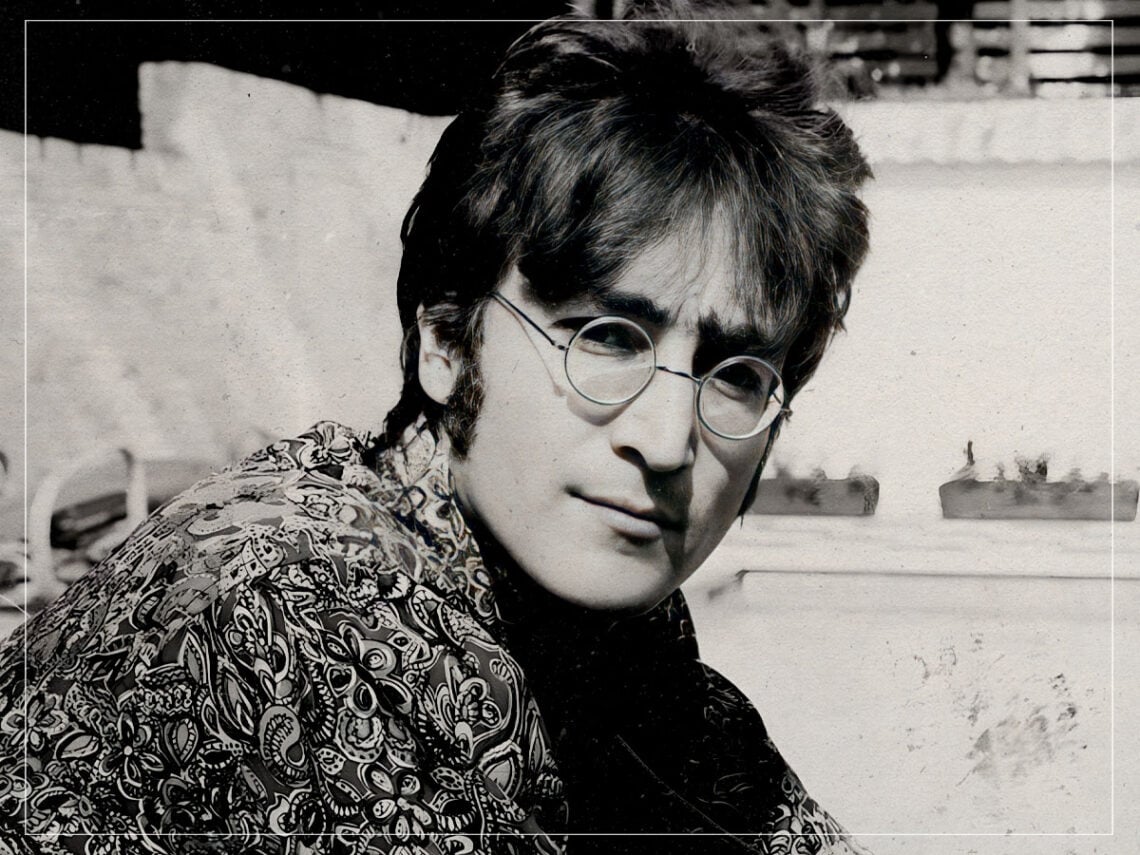
The one thing that connects John Lennon’s favourite Beatles songs

The year is 1964; The Beatles are on a plane heading to America. Their recent single, ‘I Wanna Hold Your Hand’, has found success Stateside, and it was only natural for the band to head over and perform to the masses. They were all excited to make their way to America, except for John Lennon, who was worried that his recent comments endorsing communism might land him in hot water.
It didn’t, of course, as 1964 marked the beginning of The Beatles’ career (despite them being halfway through it) and was the year they took over America. However, Lennon had these compromising feelings not just because of his comments on communism but because The Beatles were being quietly censored the minute they flew over the ocean.
“We weren’t as open and as truthful when we didn’t have the power to be,” he said, discussing the first time the band went to America, “We had to take it easy. We had to shorten our hair to leave Liverpool. We had to wear suits to get on TV. We had to compromise.”
It wasn’t until later in their careers, when The Beatles had more control that Lennon felt as though the band could be their authentic selves. This was both a blessing and a curse. It was a blessing because we got some of the Beatle’s most creative efforts; however, the curse came in the fact that the band had different ideas about what made a good song and therefore, friction began to develop as they struggled to agree on what should go into their music.
Paul McCartney famously liked pop music and wrote with melody at the centre of everything. No matter how busy or stripped-back a track was, McCartney wrote with radio-friendly inflexions that could occupy listeners’ brains after one rotation. Lennon also had a knack for melody, but it was the subject matter that appealed to him more.
When he was asked about his favourite Beatles songs, the common theme of honesty linked them together. He mentions ‘Help!’ is one of his favourite songs he wrote for the band, and when asked to elaborate, Lennon added, “Because I meant it, it’s real. The lyric is as good now as it was then, it’s no different, you know.”
He continued, “It was just me singing ‘help’, and I meant it, you know. I don’t like the recording that much, the song I like. We did it too fast to try and be commercial.” This honesty can be heard in his other favourite songs for The Beatles, such as ‘Strawberry Fields Forever’. When The Beatles split up, Lennon was allowed to write from the heart, and he did, to the point that he ended up losing fans because of how uncensored some of his lyrics were.
For instance, with the track ‘Mother’, he knew he would make people uncomfortable. “Many, many people will not like ‘Mother’; it hurts them,” he said, “The first thing that happens to you when you get the album is you can’t take it. Everybody reacted exactly the same. They think, ‘fuck!’ That’s how everybody is. And the second time, they start saying, ‘Oh, well, there’s a little…’ So I can’t lay ‘Mother’ on them. It confirms the suspicions that something nasty’s going on with that John Lennon and his broad again.”
Truth is the thing that binds all of John Lennon’s favourite songs, and it’s something he always pined for but wasn’t able to truly embrace until later in his career.

Never Miss A Beat
The Far Out Beatles Newsletter
All the latest stories about The Beatles from the independent voice of culture.
Straight to your inbox.