


What ‘age’ of horror are we currently in?

It is indisputable that the horror genre has gained mainstream popularity over the past decade. There has been a significant increase in the production of scary movies during the 21st century. According to some statistics, in 2000, only 200 horror films were released. However, in 2016, the figure stood at over 1000, meaning the horror genre now constitutes more than 10% of all feature films.
Horror has gone through various phases since the invention of cinema. From the very first horror film, The House of the Devil, which was made by Georges Méliès in 1896, the genre has changed drastically. Alfred Hitchcock’s Psycho was a turning point for horror, demonstrating that the murderous villain could be a real person, not a hideous-looking monster. As actor Anthony Perkins states: “The realer it is, the scarier it is, which is why Psycho was so scary. It wasn’t about the supernatural… There’s no place to hide in Psycho. It’s all so real.”
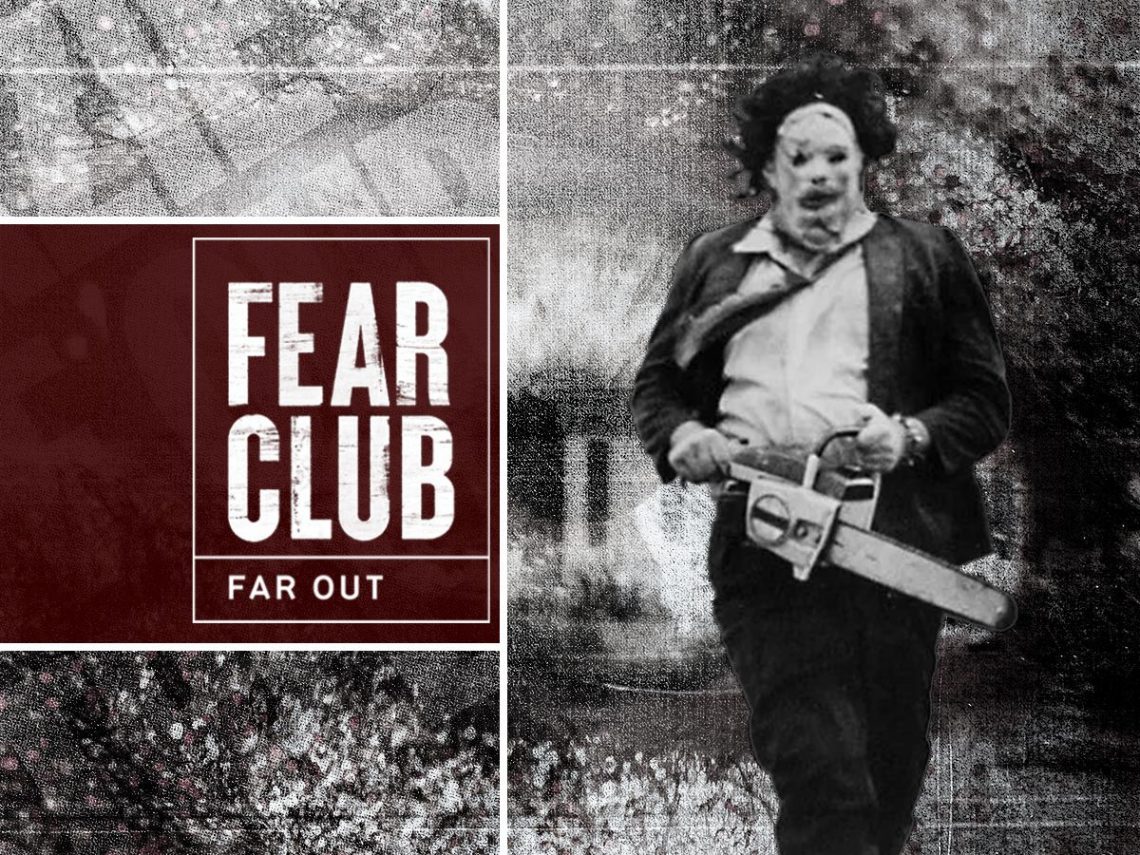
The 1960s and 1970s also gave way to more on-screen violence, and the slasher subgenre rose to prominence in the latter decade. Films such as The Texas Chainsaw Massacre and Halloween revitalised the genre, and their realism made them all the more terrifying. Throughout the 1980s and 1990s, horror franchises such as A Nightmare on Elm Street and Scream were hugely popular, suggesting that horror had the potential to become as profitable as stereotypical blockbusters.
Despite the success of big horror franchises, much of the genre has remained outside of the mainstream, such as video nasties and ‘torture porn’ or ‘splatter films’ – there is only so much blood and gore that mainstream audiences can take. The biggest horror franchises tend to balance scream-inducing content with humour and drama, reserving the truly subversive and terrifying stuff for horror buffs.
However, the increase in the production of horror movies suggests that audiences are beginning to gravitate more towards the genre, unlike ever before. But why? Film researcher Mary Wild argues: “A lot of mainstream people who would never normally turn to horror movies are realising what OG horror fans have always known – that the horror medium offers us an emotional release and is actually really cathartic.”
Audiences are seeking release from world events – financial crises, a global pandemic, political turmoil – there’s a lot to be stressed about, and horror often provides a mechanism to process these feelings. Of course, horror movies have always mirrored contemporary social fears. However, progressions in inclusivity surrounding conversations of gender, race and sexuality have spawned a new wave of horror films with refined social themes and greater emphasis on philosophical concepts and psychological character development. This is sometimes referred to as ‘elevated horror’, although critics typically view this term as pretentious.
Such ‘elevated horror’, or simply arthouse horror, has existed for decades. Still, it has been popularised by distribution company A24, who have helmed successful horrors such as Midsommar, Hereditary, X, and The Witch. Simultaneously, Jordan Peele, who weaved a slick commentary on white privilege and racism into his debut Oscar-winning film Get Out, has swiftly become one of cinema’s most sought-after filmmakers.
A24, which has become wildly popular amongst a younger generation of cinephiles, don’t seem to be slowing down their output of horror movies anytime soon. This year they have released X, Bodies Bodies Bodies, Men and Pearl, and plenty more, such as MaXXXine and I Saw the TV Glow are on the way next year.
So, what era of horror are we currently in? Many critics have argued that we are in the midst of horror’s golden age, citing the popularisation of art-house and thematically complex scary movies, the success of horror-influenced television shows such as Stranger Things, and the sheer increase in horror productions.
However, statistics reveal that not a single horror film made it into the list of the 2010s’ highest-grossing films. In contrast, the 1970s list features multiple terrifying flicks, such as The Exorcist, The Amityville Horror, Jaws and Alien.
The 1970s were arguably the golden age of horror for many reasons. Audiences were gifted with some of the scariest films ever made, and the slasher was popularised, which has inspired the state of horror as we know it. Giallo horror emerged from Italy in the form of Dario Argento and Lucio Fulci, and there were more religious horrors, such as The Omen and The Exorcist, on the rise. The decade also gave way to what Kim Newman describes as “the first of the genre auteurs,” including Wes Craven, Brain De Palma and John Carpenter.
Though whilst the box-office numbers might not match up, the truth is that modern horror cinema shares in the thematic paranoia of 1970s cinema, linking the two decades together after half a century of history.
Not only do movies such as Ti West’s X directly pay homage to the horror classics of the era, but filmmaking, in general, has taken direct influence from some of the most celebrated genre movies of the decade. Jon Turteltaub’s 2018 killer shark movie The Meg would never have existed without the effect of Steven Spielberg’s 1975 film Jaws and Robert Eggers’ 2015 film The Witch fits into the folk horror genre of the ‘70s made famous by Robin Hardy’s The Wicker Man. Even the Oscar-winning 1973 classic The Exorcist is due for a remake in 2023.
In horror, as well as thrillers, dramas, comedies and more, the theme of ‘paranoia’ was rife due to the spread of disinformation about the success of the controversial Vietnam War in America, as well as the Watergate scandal of 1972 that saw the President deceive the population and misuse his powers. This paranoia naturally seeped into cinema, with horror classics like Invasion of the Body Snatchers, Alien and Duel joining other seminal releases like Francis Ford Coppola’s The Conversation, The Parallax View and Soylent Green.
Jump forward 50 years, and you’ll see paranoia making a strong (unwanted) comeback, with Donald Trump’s America fostering an era of false news, the Covid-19 pandemic heightening anxiety and the global threat of climate change bringing an existential crisis.
This same paranoia has wormed its way into some of the most celebrated horror movies of the past decade, with Ari Aster injecting this into his dark family drama Hereditary in 2018 and his horrific breakup movie Midsommar in 2019. Filmmaker Robert Eggers did the same with his aforementioned debut, The Witch, as well as his hotbed of paranoia in 2019s, The Lighthouse, whilst Jordan Peele won an Oscar for his study on racial angst in Get Out.
A distinctive difference between the paranoia of 1970s cinema and of contemporary horror comes in the angle of mental health, which has been given a stronger emphasis as a result of recent world events. Where the discussion of mental health wasn’t as sensitively and widely discussed in the 1970s, modern horror has widely addressed this subject, with Jennifer Kent’s 2014 movie The Babadook, Alex Garland’s 2022 film Men, and Andrew Gaynord’s All My Friends Hate Me each excavating the terrors of one’s own mind.
In the post-Trump era of false news, where the scars of the Covid-19 epidemic remain tender, and the climate crisis is crafting existential dread, horror cinema is feeding off a pandemic of global paranoia.
