


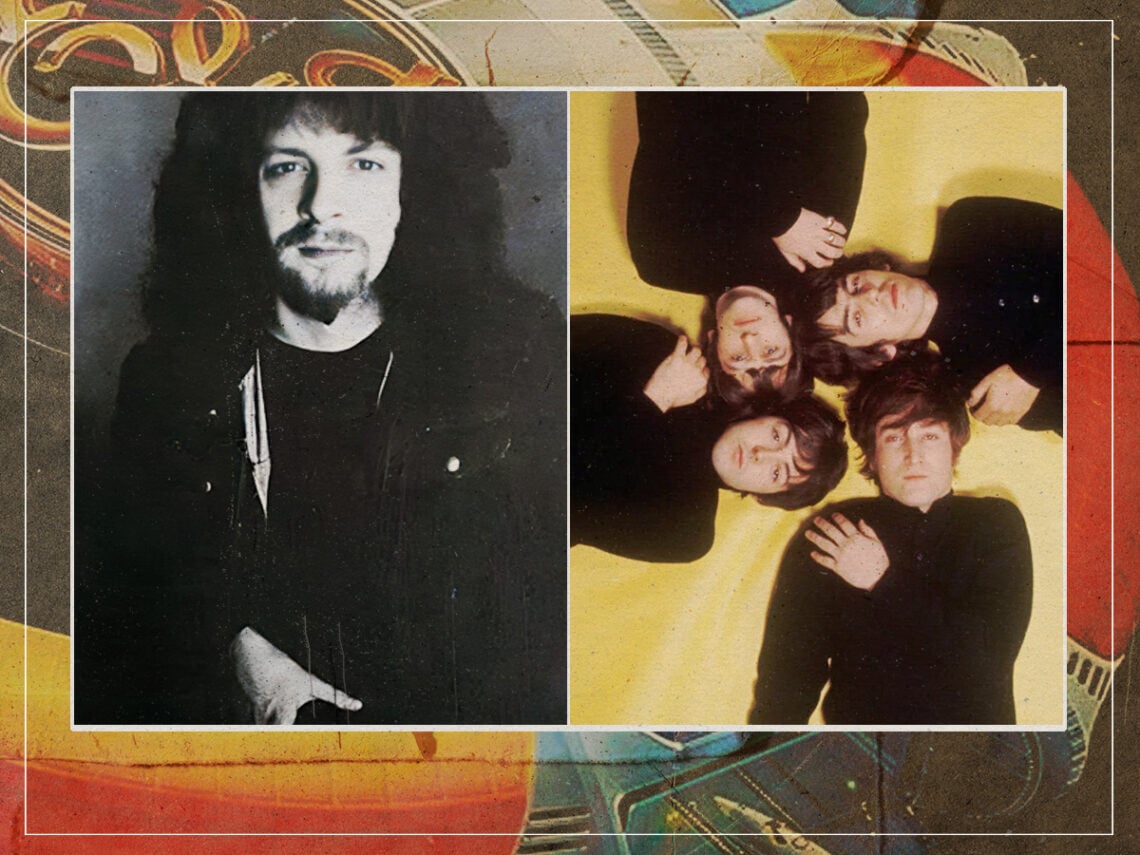
Heirs to the Throne: were ELO the true “sons of The Beatles”?

The Beatles’ model isn’t something that was meant to be duplicated. Every label on Earth has tried its hand at finding the next lovable group to take over the pop charts, but the kind of trajectory that the Fab Four had came down to four geniuses at work in one band, stellar songwriting and production, and just the tiniest bit of luck to lodge themselves in the hearts of millions of fans around the world. If there’s one band that came close to them, the surviving band members had their money on Electric Light Orchestra as their replacement.
But, really, does Jeff Lynne have what it takes as a songwriter to measure up to that accolade? Sure, there’s music absolutely spilling out of him on every single track, and it’s certainly easy to figure out his Beatles influence if you listen to more than four seconds of any given ELO tune, whether that’s the harmonies or the off-the-wall production choices.
Whereas most people would have guitar lines that people could hum back afterwards, Lynne took those melodic lines are transposed them to a string section, which added a bit of refinement to everything. Suddenly, the insanity that was going on production-wise almost made sense now that there was something more sophisticated grounding everything.
Lennon certainly thought that was close to what he had done with his mates, saying in a radio interview, “I call them ‘Son of Beatles’, although they did things that we never did, obviously. But I remember a statement they made when they first formed was to carry on from where The Beatles left off with ‘I Am The Walrus’, and they certainly did.”
While Ringo Starr was a little less diplomatic by saying that the reason the group broke up was because they ran out of Beatles riffs to steal, that’s not necessarily a slam. If you look at the way that Lynne operated, most of his greatest work fit pretty snuggly in the same format that birthed records like Sgt Pepper and Magical Mystery Tour.

Just like his favourite group, Lynne wanted to make something that sounded like creating a work of art in the listeners’ minds without leaving the comfort of their homes. Whereas Abbey Road had fallen more in line with classic Beatles, the space-rock aesthetic that Lynne had was perfect for making songs that didn’t seem to be of this world, especially when they brought in newer inventions like the vocoder and the talk box on ‘Mr Blue Sky’.
It’s not like The Beatles weren’t thankful for what the group did, either. After all, no one gets a call to remaster the Fab Four’s final songs by accident, and by working on The Beatles Anthology, Lynne almost snuck himself into ‘Fifth Beatle’ territory by taking over for George Martin when working on tracks like ‘Free As a Bird’ and ‘Real Love’.
In fact, when he worked with George Harrison and Paul McCartney, some of their songs sounded more Beatle-like than they ever have. If Lennon said that ‘I Am the Walrus’ was Lynne’s template, then ‘When We Was Fab’ off of Cloud Nine is his Beatles masterstroke, taking the basis of that demented Beatles tune and turning it into a love letter to the group that made him fall in love with music.
Regardless of their refusal to perform live, Lynne’s determination to be a child of the studio falls right in line with what his inspiration did. His music was for the world at this point, and when he couldn’t recreate the sound he heard in his head live, he may as well spend the rest of his life in the studio making incredible music.
So while albums like A New World Record or Out of the Blue aren’t necessarily on the same cultural level as The White Album or Revolver, they’re at least a good look at what a group like The Beatles might have sounded like if they had continued into the 1970s and beyond.
No one could create what John, Paul, George, and Ringo could do, but by sticking to his own vision, Lynne ushered in a new age of Fab that no one had thought was possible.
