


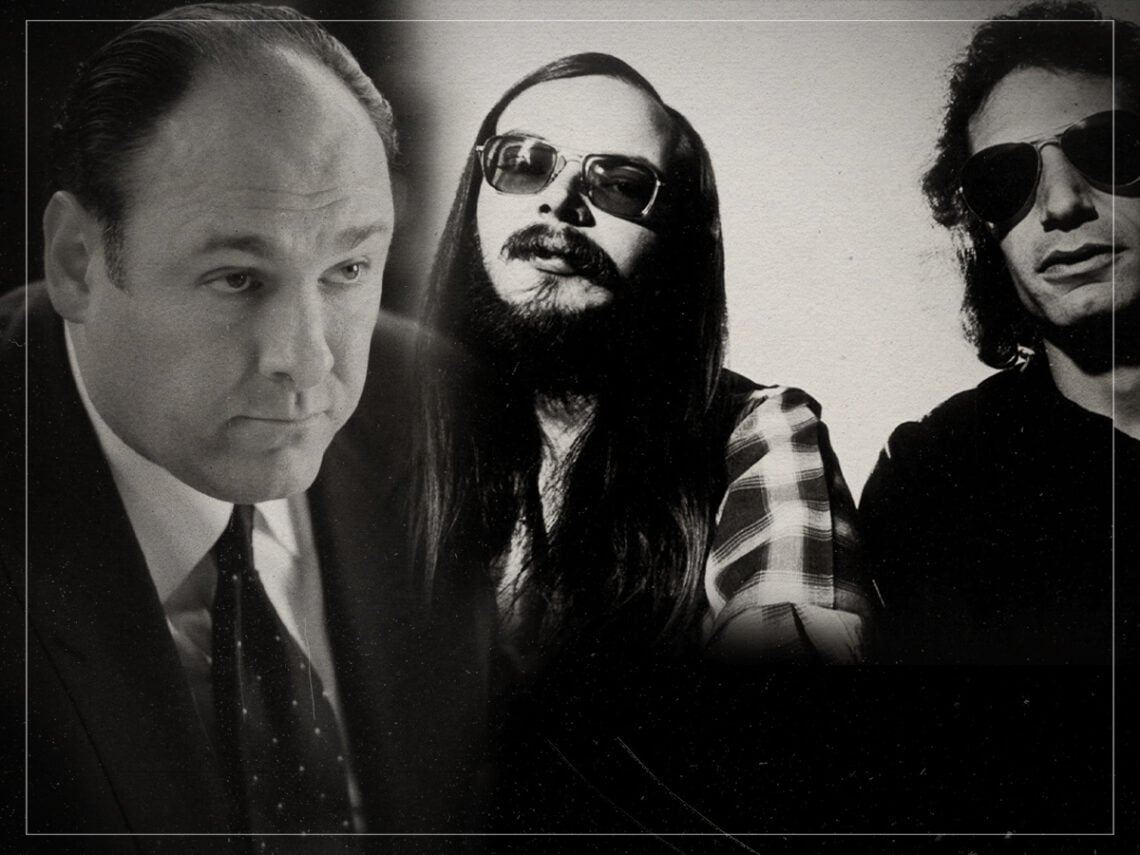
Was ‘The Sopranos’ to blame for the rebirth of Steely Dan?

Over the last 20 or so years, music supervisors have become perhaps the most unheralded tastemakers in the music industry.
Sometimes more so than even the artists themselves, or the A&R talent scouts who found them in the first place, music supervisors play a crucial role in linking music with other areas of our culture, and specifically into formats like television, films and trailers, advertising and video games.
Working closely with a director to help flesh out the sound of their creative vision, and to help with the more mind-numbing process of licensing the copyrights to a song’s composition and recording, or else arranging the logistics of re-recording a song, music supervisors are now essential parts of any major production. Though outside of the music industry itself, many people don’t really talk about ‘sync’ (the pairing of music and visuals), plenty of people do talk about ‘needle drops‘ and how music is such a vitally important part of any media that we engage with.
Sometimes, songs can become so synonymous with a particular film, show, genre or even character that it’s hard to listen to them without being reminded of whichever scene you’ve heard them in. How can you listen to ‘The End’ by the Doors or ‘Fortunate Son’ by Creedence Clearwater Revival without thinking of Apocalypse Now, Forrest Gump or the Vietnam War?
By the time either song found their way into their respective films, they already had a lifetime and a history of their own, but all that changed when they were used so effectively in those two movies, after which point, they became an audio-shorthand (and, subsequently, so did anything that sounded like them) for a director and a music supervisor to establish that the scene they’re showing us has something to do with the Vietnam War.
Similarly, other trends that have used music to cross over cultural divides and become synonymous with one scene, series and spectacle or another include the different kinds of covers used in things like the John Lewis Christmas advertising campaigns, or else in reality TV shows like Love Island, and again, it is the music supervisors who do most of the work in pairing the music and the visuals.
At the opposite ends of the spectrum, the John Lewis Christmas adverts all famously feature iconic songs, reimagined and re-recorded, usually with painfully slow piano, breathy vocals and clear signposts of what you should feel and when in order to better manipulate your heartstrings and make you send your wishlist to John Lewis rather than Santa Claus, while the reality TV covers skew dramatically in the other direction. Still favouring those breathy, often nasal and echo-laden vocals, this time the tracks are usually powered by huge, frightening and pummeling drums and histrionic strings. You know the ones; they’re horrible, and they’re everywhere.
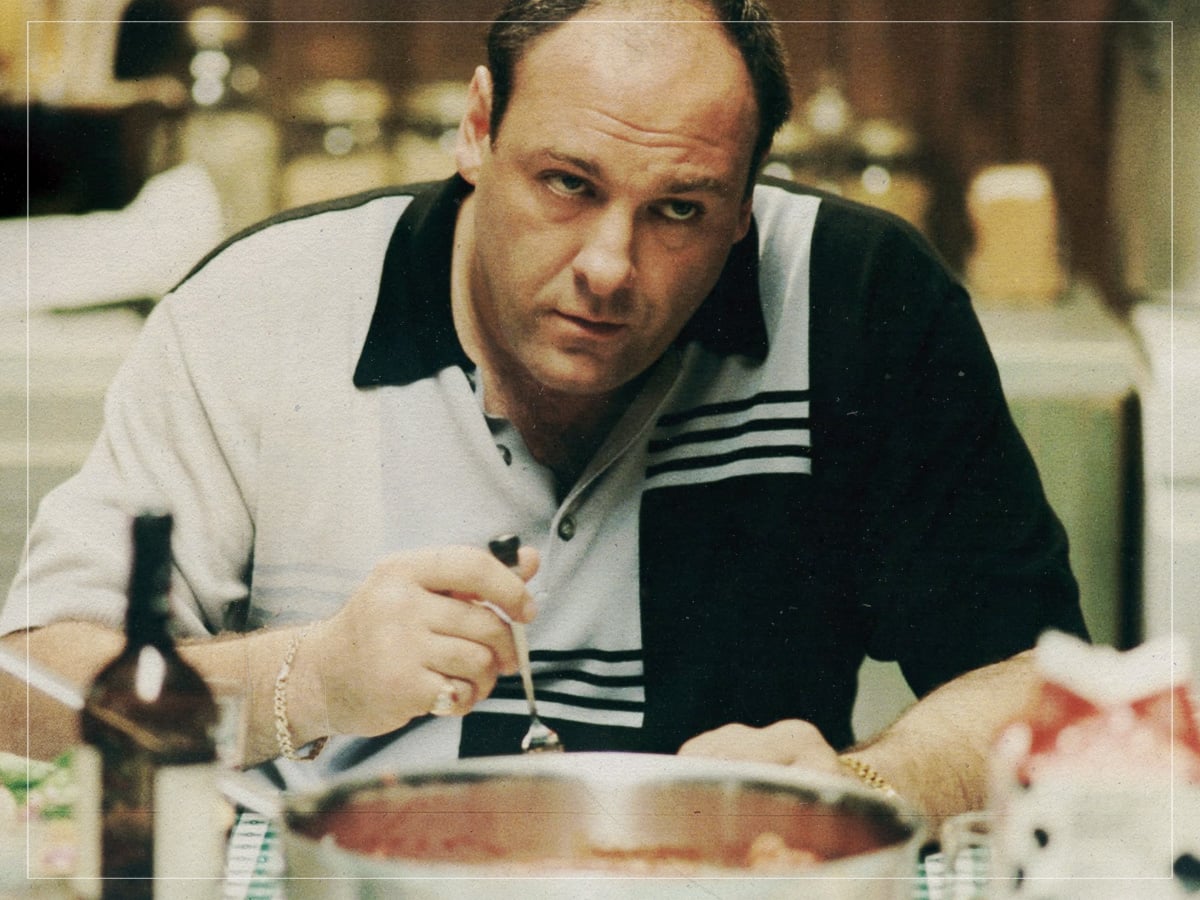
But while some productions would rather re-record their own versions to match their brand and style, most let the original music do the talking. Shows like Stranger Things, Love, Ashes to Ashes and The Bear are all famous for their use of music across their episodes, but it was The Sopranos which really brought the idea of needle drops from the silver screen onto the small screen in a big way.
Kathryn Dayak ran the music department across the show, with series creator David Chase, producer Martin Bruestle and guitarist and cast-member Steven Van Zandt coming together to take on the roles that now would all be dealt with by a music supervision team.
The soundtrack is almost as legendary, memorable, well-known, remembered or talked about as any of the show’s iconic characters or scenes. In fact, the music of The Sopranos even has its own dedicated Wikipedia page, boasting the use of tracks from artists like Ella Fitzgerald, Bob Dylan (who even recorded a cover of ‘Return to Me’ especially for the series), The Rolling Stones, Elvis Costello, Annie Lennox, Etta James and many more.
One of the most famous scenes involving a classic track came in the opening episode of season three, when Tony Soprano sings along on his car radio to Steely Dan’s ‘Dirty Work’. The song, which hadn’t featured in any visual media before since its 1972 release, has gone on to be used in projects like The Simpsons, Euphoria, Hacks and the trailer for the Suicide Squad.
Steely Dan have always had a reputation as a music maker for people who believe their taste is superior, more interested in high audio fidelity and complexity of playing, layering, mixing or mastering than they are with things like feeling, visceral emotion or any kind of haunting quality in the music itself.
These people are generally considered highly devoted, sophisticated, well-educated, erudite and more intellectually curious than the rest of us, none of which really conjures an image of Tony Soprano, the ruthless but vulnerable, paradoxically empathetic, flawed and human but still scheming head of the DiMeo crime family.
In having him sing along with Steely Dan, the show let audiences know that you don’t need to be so uptight, hold a doctorate in mathematics or have the most expensive audio equipment in the world to enjoy their music; you just have to listen, take it all in, and enjoy it for what it is. In the process, they opened the floodgates for plenty of people who might have previously felt excluded from the scene by the snobbery of the band’s original fanbase and, just like Tony Soprano, went on to sing along with the band around the house, in the office or in the car when they’re being trailed by the FBI.

Never Miss A Tale
The Far Out Classic Rock Newsletter
All the latest Classic Rock content from the independent voice of culture.
Straight to your inbox.