


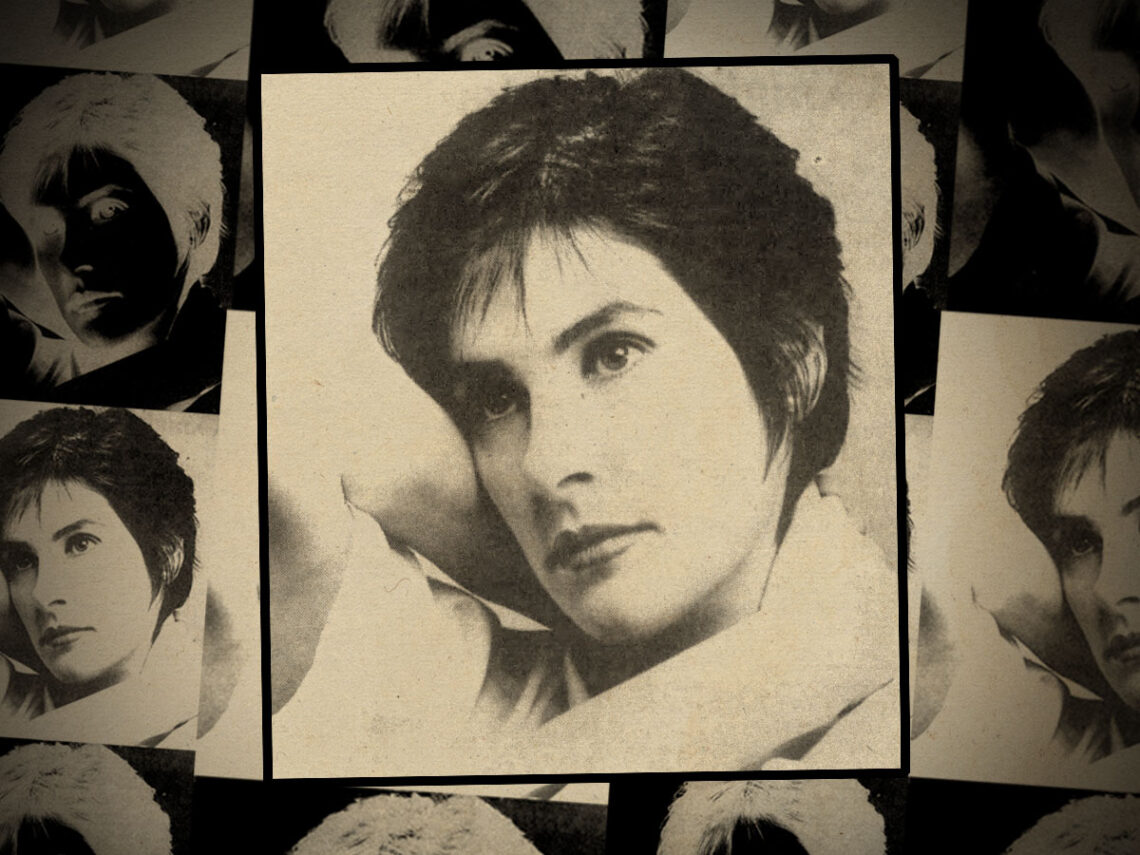
An overdue reassessment: Was Enya’s music kind of punk all along?

While discussing the history of synthesisers with the Human League’s Martyn Ware earlier this month, the Irish podcaster known as Blindboy Boatclub brought up an artist not typically included among the pioneers of synth-pop. “Someone who gets looked over a lot is Enya,” he said, “It feels quite misogynistic; Brian Eno gets to be called ‘ambient music’, whereas Enya is called ‘New Age’”.
As one of the most successful recording artists in Irish history, the reclusive, castle-dwelling ‘Orinoco Flow’ singer hardly needs anybody going to bat for her, and indeed, Martyn Ware wasn’t entirely convinced of the argument himself, admitting that he’d considered Enya “a bit anodyne” back in the day.
An endorsement from Blindboy is still noteworthy, however, considering that the former member of the hip hop duo the Rubber Bandits can usually be found pontificating on the exploits of old school rappers like Too Short or defending the political messaging of his fellow countrymen in Kneecap. This is not a person with any particular favouritism toward crystal-shop granny music.
Even so, dating back all the way to a Twitter post in 2020, Blindboy has consistently beat this same drum, calling Enya “a visionary, who took from Irish folk, melded it with synths, creating a new sound that’s hers alone. And carried on, not giving a roaring fuck what anyone thinks. That’s the essence of punk, from a musical perspective. She will have her day.”
Probably as no coincidence, Pitchfork had published a piece a couple of weeks earlier in which various rising stars of the indie rock universe confessed to the influence of their parents’ Enya CDs on their own creative development, flying a flag that had been previously deemed terribly unhip.
“It’s a common misconception that Enya’s music is all floaty shit,” ambient artist Julianna Barwick said at the time, “It’s not. Some of her songs are dark and goth and badass”.
“Enya’s a drone artist,” added Natalie Mering, the singer/songwriter better known as Weyes Blood, “She’s like the most mainstream noise artist there ever was”.
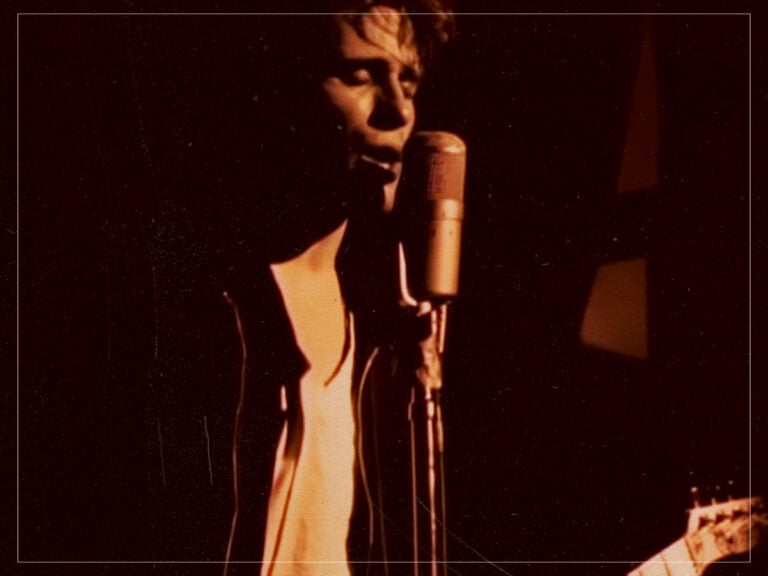
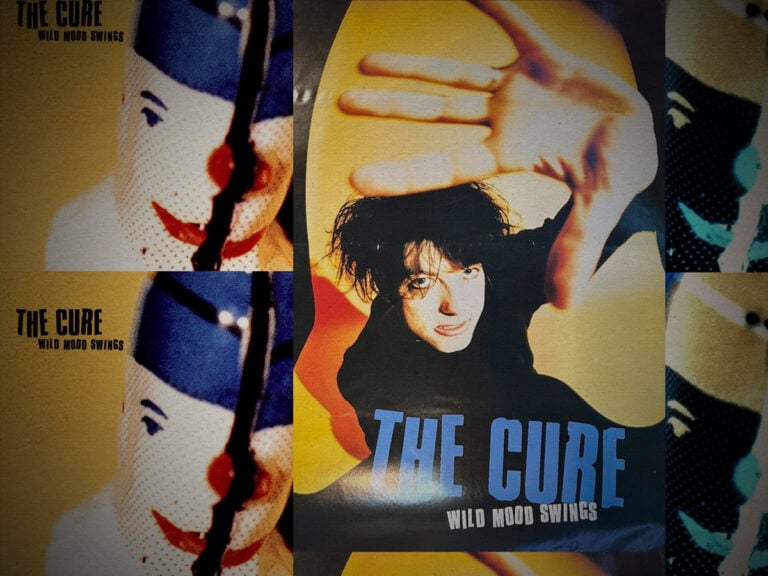
For nearly 30 years, due to her enormous appeal as the chillout choice of millions of middle-class, middle-aged, ex-hippies and suburban soccer moms, Enya was unfairly framed as some sort of diametric opposition to the supposedly more authentic emotional rawness that defined ‘serious’ music. Any artist trying to make challenging and boundary-pushing dream pop, or noise-rock, or any sort of droney, spacey, wooshy music, would have to steer clear of any overtly Enya-like elements, lest any critic banish them with a label of ‘harmlessly ethereal’ or ‘planetarium-esque’.
Strangely enough, though, this rule never applied to hip hop artists, many of whom embraced the badass side of Enya long before this more recent “Enya is punk” movement started in the 2020s. Most famously, the Fugees plucked a major chunk out of the 1987 track ‘Boadicea’ for their 1996 single ‘Ready or Not’, which became one of the biggest hip hop hits of the ‘90s, spawning quite a few samples of its own. Had the Fugees reached out to Enya about the sample or cleared the licensing for it? No, they had not. But the out-of-court settlement that the two parties eventually reached probably paid for a nice renovation of one wing of Enya’s Killiney castle.
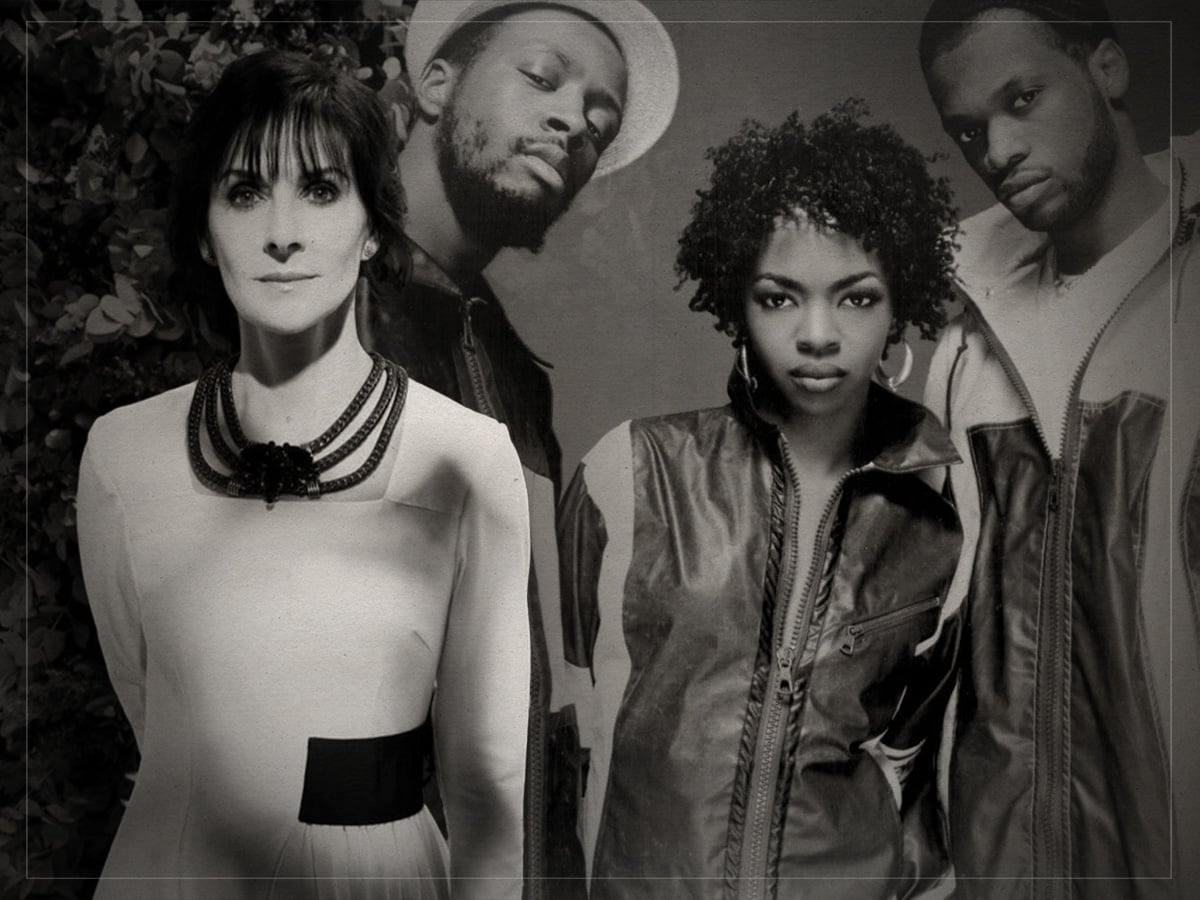
Somewhat understandably, that castle, along with Enya’s notorious public shyness and almost total abandonment of live performances, gradually transformed her into something of an untouchable Tolkien character in the minds of casual observers. No musician on earth, it seemed, would be less likely to get into a studio with Rick Rubin or Steve Albini and let all the grit and dirt of her folk roots rise to the surface.
As an artist who reached superstardom in the 1990s, the need to be pristine, private, apolitical, and non-confessional probably was the antithesis of ‘cool’, perhaps even more so when measured against the approaches of her fellow Irish pop stars, from U2 to Sinéad O’Connor to Shane MacGowan.
“I was never one to be pressured into doing something that I did not want to do,” Enya told the Australian newspaper The Age in 1991, “…I have always felt that music was for entertaining. In a way, it should take you away from everyday problems that are continually happening. I feel that music is very special and has a lot to say, but in a different way to politics.”
It’s easy to understand how this sort of detached perspective has been received with significantly less judgment by younger millennials and Gen Zers, who not only grew up hearing Enya in their parents’ CD players, but also appreciate the distinct production and tone of those records in a totally different context, as just about every radio pop song of the past quarter-century now includes some layered, moody synth element to it. While the influence on indie acts like Julianna Barwick and Weyes Blood might be more obvious, the space between Enya’s music and the best-known hits of mainstream Capital Radio celebrities like The Weeknd or Ariana Grande isn’t much of a gulf these days either.
“For the younger generation, they see her as a totally credible and authentic artist,” synth-pop legend Martyn Ware acknowledged in his podcast chat with Blindboy Boatclub, “I think that’s very interesting, because it’s got a kind of eternal quality, which is predicated on traditional Irish music.”
Enya, born in 1961 in County Donegal as Eithne Pádraigín Ní Bhraonáin, began her recording career as a member of her family’s well-established trad folk outfit, Clannad. By 1982, however, at just 21, she was already looking to step out beyond that lovely but limited format. Her decision to leave the group and pursue a solo career wasn’t exactly met with smiling acceptance by the rest of Clannad either.
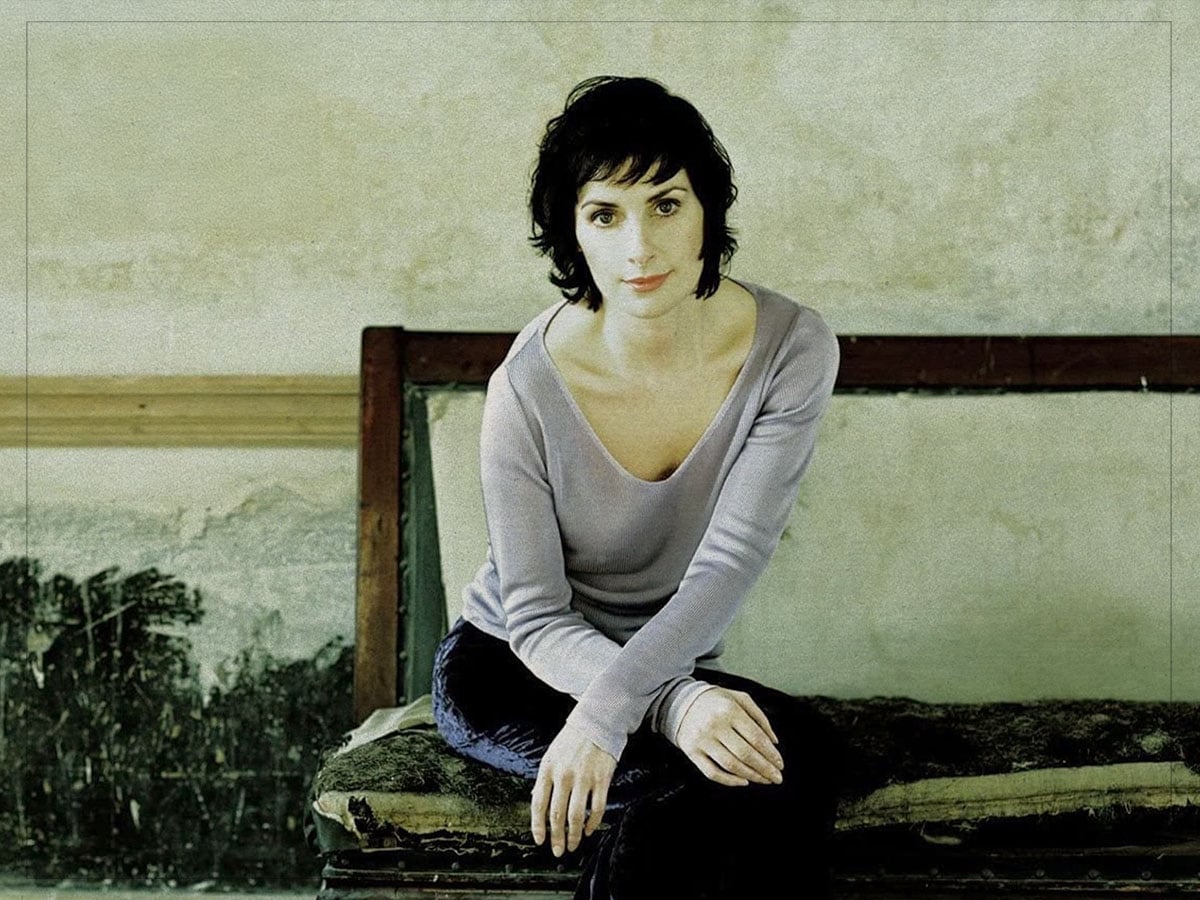
“For them, it was more personal because they had established the group for that purpose [of preserving folk traditions],” Enya said, “I was passing through, and I enjoyed the experience of performing, but I knew that there was something else I wanted to do.”
There was an absolute renegade spirit to Enya’s early solo recordings, none of which really went supernova until 1988’s Watermark, and its single ‘Orinoco Flow’. She had broken off from Clannad with two accomplices, Nicky and Roma Ryan, who worked shoulder to shoulder with her on crafting her lyrics, sometimes in English, sometimes in Gaelic, and her new sound: a blend of pipe-and-drum trad with modern ‘80s synths, wide-screen atmospherics, and a Brian Wilson level of detailed, tinkering obsessiveness. It wasn’t ‘punk’ in the Sex Pistols manner of loud, middle-finger rebellion, but certainly in the sense of fearlessly plunging into new territory, expectations be damned [it should be noted that Nicky Ryan, a big part of Enya’s musical journey, died last year].
“It’s all down to self-indulgence on our part,” Enya told The Independent in 1989, “I do sometimes lean towards tradition in the music. But if we have a new idea and we want to bend the rules, we do it. It’s important not to think about other musicians, because you find yourself restricted and afraid to work against the way they’ve done things.”
Enya is now 64 years old and hasn’t released a new studio album in over a decade. Unmarried and without children, she might once have been ridiculed, not all that long ago, as an ivory tower eccentric, a New Age monarch cut off from the world. Instead, in a rather encouraging way, she only seems to be growing more and more relatable as time passes. Whether you jam out to ‘Caribbean Blue’ while doing yoga, taking a bath, or riding down the freeway in a top-down convertible with the windows open and a fist in the air, Enya’s otherworldly IDGAF spirit can move emotional mountains.
“She was never marketed as cool,” Blindboy added in his recent podcast assessment, “and she never tried to be cool. But what she was doing was actually quite challenging and transgressive”.

Never Miss A Beat
The Far Out Punk Newsletter
All the latest Punk content from the independent voice of culture.
Straight to your inbox.