


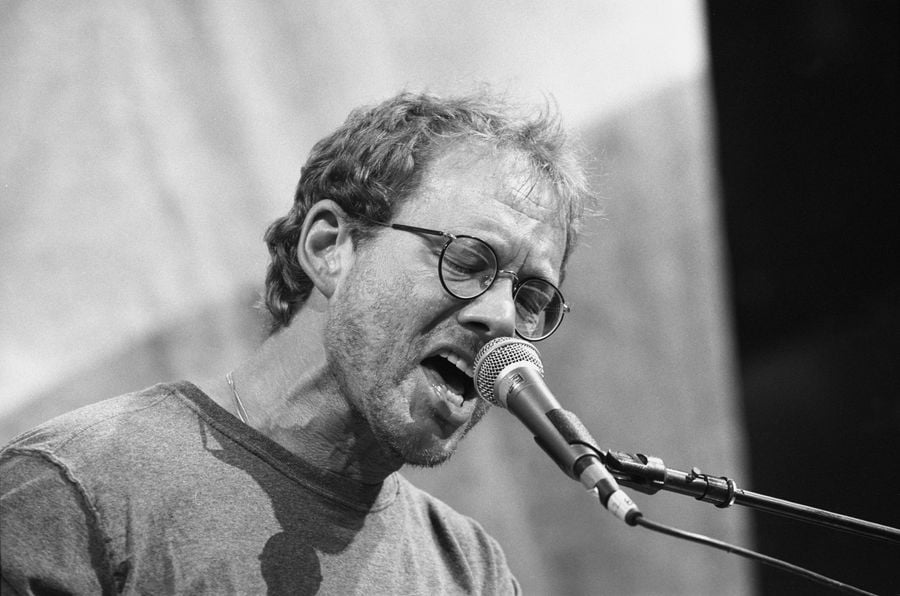
Warren Zevon: the man Bob Dylan called the “musician’s musician”

Even the best songwriter of all time learned his trade somewhere. In his early days, Bob Dylan would make it very clear which musicians he idolised. From the tender days of his youth, Bobby would play the piano stood up and sing in his school band in an attempt to emulate his hero Little Richard. Later, he would become enamoured with folk music and Woody Guthrie in particular. Dylan even managed to become acquainted with Guthrie in the final years of his life, he would play to him in his bed where he was tragically dying from Huntington’s disease.
As the years wore on though, Dylan became the biggest name in folk music and the spearhead of an unsettled population with the political themes expressed throughout much of his work. As he became more successful in his own right, he became less liberal when naming artists he admired, seemingly unwilling to feed the egos of his peers until they reached a certain high standard in his eyes. This would become a constant throughout the rest of Dylan’s career and served to add a touch more conviction when he did, on rare occasions, express his admiration.
One of the artists Dylan has revealed his admiration for was the eclectic singer-songwriter, Warren Zevon, Dylan said of Zevon: “There might be three separate songs within a Zevon song, but they’re all effortlessly connected. Zevon was a musician’s musician, a tortured one. ‘Desperado Under the Eaves’. It’s all in there.”
He added: “‘Lawyers, Guns and Money’, ‘Boom Boom Mancini’, ‘Down Hard Stuff’, ‘Join me in L.A’ sort of straddles the line between heartfelt and primaeval. His musical patterns are all over the place, probably because he’s classically trained.”
Zevon was a peculiar man with undeniable talent that seemed to bring with it some problems as he made his way through a rollercoaster career of variable commercial success. The early release that boosted him to global stardom and would remain his lifetime magnum opus, was his 1978 album Excitable Boy, which housed some of his greatest hits including the famed ‘Werewolves of London’, which was recorded with the help of his friends from Fleetwood Mac, Mick Fleetwood and John McVie. Over the years that followed, he would struggle to maintain the commercial success of the late 1970s aside from a few highlight returns to form in albums such as The Envoy released in 1982 and Mr. Bad Example in 1991.
Throughout his life, Zevon battled addiction and a bad temper which was likely a symptom of depression resulting from his alcoholism. His ex-wife Crystal Zevon remembered: “He had tonnes of charisma, but when he didn’t want people coming up to him, he had charisma in reverse.” He had two children with Crystal who have said they still have a great deal of love for their father despite his absence through much of their childhood, and as his daughter, Ariel put it “when he was drinking he was erratic, violent, emotionally absent, impossible”.
It is clear that Zevon was a troubled soul as he battled his mental illness and alcoholism, and for that, his family and many friends were forgiving of his occasional ill-temper. When he died of cancer in September 2003 aged just 53, many of his close friends, including the likes of Jackson Browne and Bruce Springsteen, would pay tribute to the talented musician’s life.
Today, January 24th, marks what would have been Zevon’s 75th birthday, and in celebration of his career I bring you one of his many insightful, yet oddly danceable rock classics below – join me in dancing a little jig (or at least bob your head) to the wonderful ‘Lawyers, Guns and Money’.

Never Miss A Tale
The Far Out Bob Dylan Newsletter
All the latest stories about Bob Dylan from the independent voice of culture.
Straight to your inbox.