


‘War of the Worlds’: The movie franchise that peaked as an album

Unless you’ve been living under a rock, you’ve likely seen the videos circulating of the strange new War Of The Worlds movie, filmed predominantly over Zoom with a confused-looking Ice Cube as the star.
Before War Of The Worlds was the story that facilitated this viral joke, it was a classic piece of theatre and music, something that came together to create one of the most exciting and revolutionary pieces of art ever made. For me to give you the full scope, allow me to take you back to 1938.
The world stands on the brink of war, tension around the globe continues to grow; however, for one evening, all of the threats that lingered on a domestic level were forgotten, as people turned their panic to the skies. Orson Welles has always been praised for his ability to manipulate sounds. The way he played with echoes in Citizen Kane was unlike anything people had seen prior. And his ability to instil terror through the medium of radio has never been matched.
As part of a series called The Mercury Theatre on the Air, he broadcast a live adaptation of the HG Wells novel The War of the Worlds. The program was delivered in the format of breaking news over the radio. It sounded incredibly realistic and compelling, and as a result, it managed to terrify a lot of the people who listened in. They heard stories of an alien invasion impacting the Earth, and the recording was so realistic that people thought the invasion was actually happening.
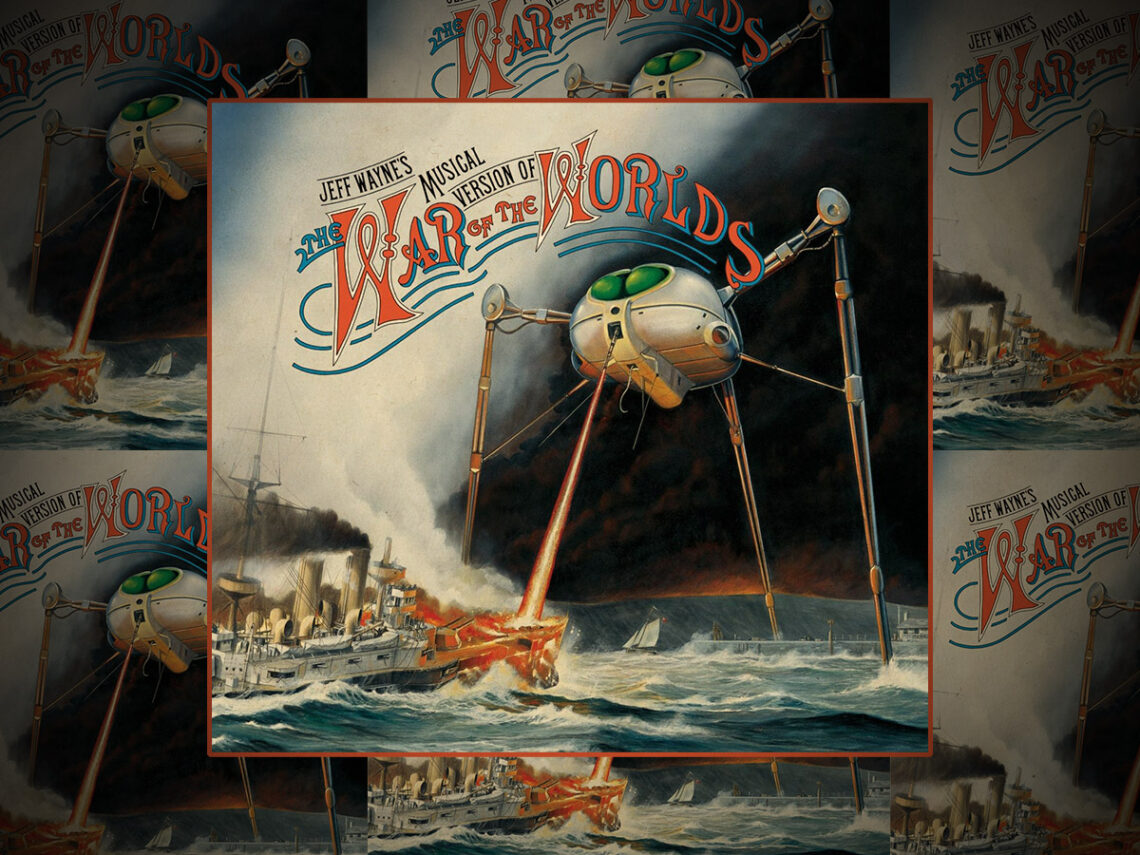
Despite The War of the Worlds originating as a novel, its most famous incarnations have always been through audio. The first time many people came across the story was when they heard it on the radio in 1938. Then, for many others, the first time they came across the story was in 1978, when Jeff Wayne released the musical version of the tale in the form of a double album.
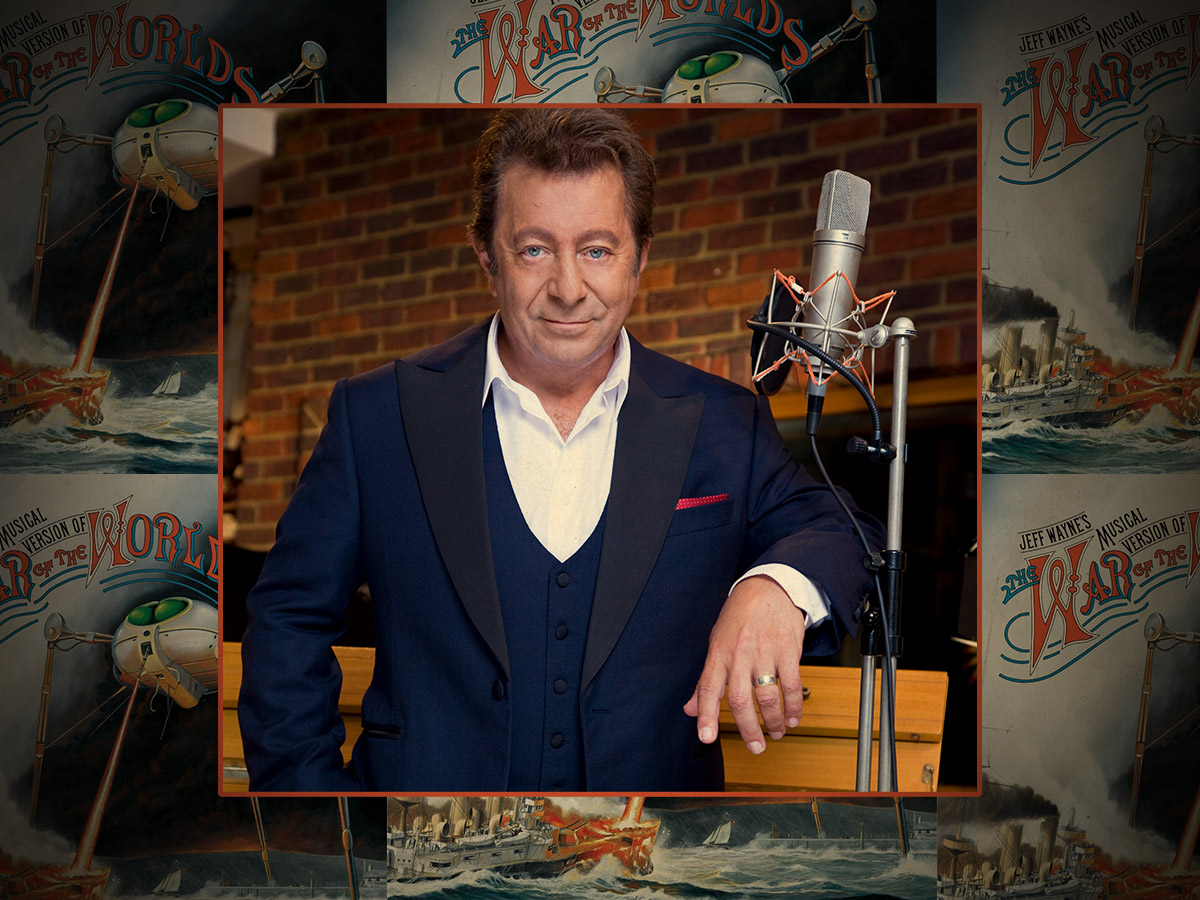
The album is just under two hours long, and it tells the story of aliens coming from Mars against a backdrop of orchestral rock music. It’s truly an epic record, with the songs sounding great and the vocal performances carrying great weights of emotion, sadness, despair, and hope. The record works in perfect tandem with the story to the extent that, despite War of the Worlds being adapted into multiple TV series and films, the LP is where the story peaked.
Of course, when we compare it to the new film starring Ice Cube, there is no doubt which of the two is better. With the tagline “It’s worse than you think,” Amazon seemed to already know how this film would be received. Many are saying the tagline is an unfortunate coincidence, but a global corporation like Amazon isn’t that reckless, and even the most corporate of minds knows a shit film when they see it. A poor script and execution were turned into an opportunity to promote their delivery services and gain viral recognition. I wonder how many people resubscribed to Prime so they could watch this car crash? Honestly, when you manage to make a movie that bad and still profit from it, fair play.
But Ice Cube’s scattered script reading aside, many film and TV adaptations of War of the Worlds have been well received.
Bryon Haskin’s 1953 offering is widely considered the best, as Gener Barry, Ann Robinson and Lewis Martin all deliver stellar performances. Equally, the 2005 offering, directed by Steven Spielberg and with Tom Cruise and Dakota Fanning at the helm, is equally a fan favourite. Despite decent adaptations being out there, I would attest that Jeff Wayne’s album is still the greatest retelling of the story. There is something about the theatrical nature of an out-and-out alien invasion that lends itself to the medium of song better than it does serious acting performances.
When we watch movies about alien invasions, the crux of the story lies not in the invasion itself, but in the tension surrounding said invasion. You have a protagonist that no one will listen to, who people deem mad, scrambling desperately to try and convince the world that aliens are coming and/or are here. The story lies in proving or predicting the act as opposed to the act itself.
When you have a story that starts with an alien invasion, all that tension is immediately lost, and attempts to recapture it are somewhat futile. Instead, throwing the listener into a plethora of strings, guitar solos, and chaotic music seems like the most appropriate way to tell the story. The album is a much more gripping experience than any of the movie adaptations have been, and it’s because the story and the sound link up together so beautifully.
To fully conclude, I’ll borrow a line from the story itself: comparing the album to the films is like firing bows and arrows against the lightning.
