


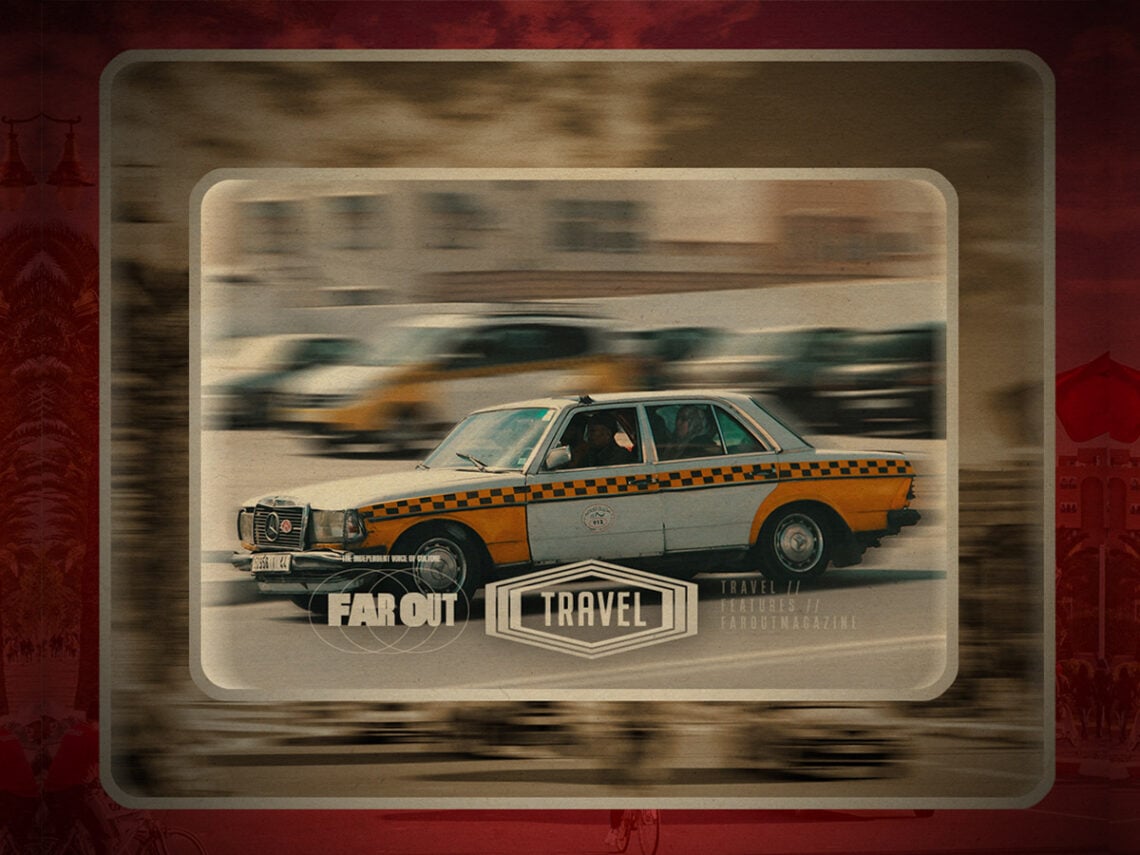
Danger in Marrakesh: I was nearly killed in a high-speed crash as the war between taxi services put tourists at risk in Morocco

Morocco is an incredible country for tourists – the bustling medinas are full of colour, smells and noise, they’re a treat for the senses, and just one of many captivating reasons to visit the country.
It has a rich, vibrant history that crosses many cultures, because this country in Africa, with an Arab heritage, also acts as a gateway to Europe, thanks to its close proximity to Spain, straddling its trading past, its colonial links and its modern world exceptionally well.
There’s natural beauty in the dunes and along the coasts, great food and drink, and a multitude of must-see cities, from Rabat and Casablanca to Tangiers and Agadir. You can see why countless generations became fascinated with the country, and why it was an essential part of the Hippie Trail back in the 1970s.
Now, there’s a war on its streets. You won’t see it on the news or in your guidebooks, but it’s there, and it puts any tourist visiting the country in danger. It’s the battle between the local taxi services and inDrive, the ride-hailing Uber clone that is disrupting the country.
Any seasoned traveller knows that you need to be careful jumping in a cab outside an airport, with scamming feeling like a rite of passage for the globe-trotter. I’d done my research before boarding my flight to Marrakesh, and when I stepped off that flight, into the afternoon sun, I had already downloaded inDrive from the App Store. By the time I got through security, the sun was beginning to set, so I enquired about taxi prices. Needless to say, the cost was outrageous, so my friend and I instead hailed a driver on inDrive at a fraction of the price and got on our way to our digs.
I have no issue with apps like Uber or Bolt. Don’t get me wrong, I love a London black cab, but the ability to order a taxi wherever you are is a godsend. Even better than that is the price being fixed before I get in, which gives me safety against being ripped off. That really matters when you’re away from home and unable to speak the local language. There are also wider advantages in terms of safety and knowing exactly who your driver is, and having a record of what car you’re in.
After checking in, we decided to find a bite for dinner and a drink. The excitement of that first night in a new country took hold, and after we finished eating, the drinks flowed. Pints of Speciale Gold were gobbled up, Morocco’s answer to those French stubby beers you always get handed at barbecues. Every drop went down well, and before you knew it, we were in a smoky bar until the early hours, alternating between bottles of Gold and Casablanca, as the bar continually changed its prices without warning.
Then it was time to leave, and we opened up inDrive as we left the bar into the cold chill of the Marrakesh night. As we waited to be picked up, a local taxi driver offered us a ride, but at over double the price of the inDrive. We politely declined, and the taxi driver, after much insistence, went back to his yellow cab and talked with another driver. As our car pulled up, we got in the back, but then a random person jumped into the passenger seat and started shouting at the driver. The taxi driver we spoke to earlier then opened the passenger door and ordered us to get out, but we said no. After five minutes of this nightmare, I whispered to our driver, who spoke English, that we’d get out, he’d drive off, then we’d run and meet him 100 yards up the road.
We feigned defeat to the cabbies, told them we’d just make our own way back to the hotel instead and walked up the road, before running as far as we could and hopping into the car up the road as planned. As my friend and I looked at each other and laughed at the strangeness of the interaction, our driver appeared concerned as he peeked into the rear-view mirror. We were being chased.
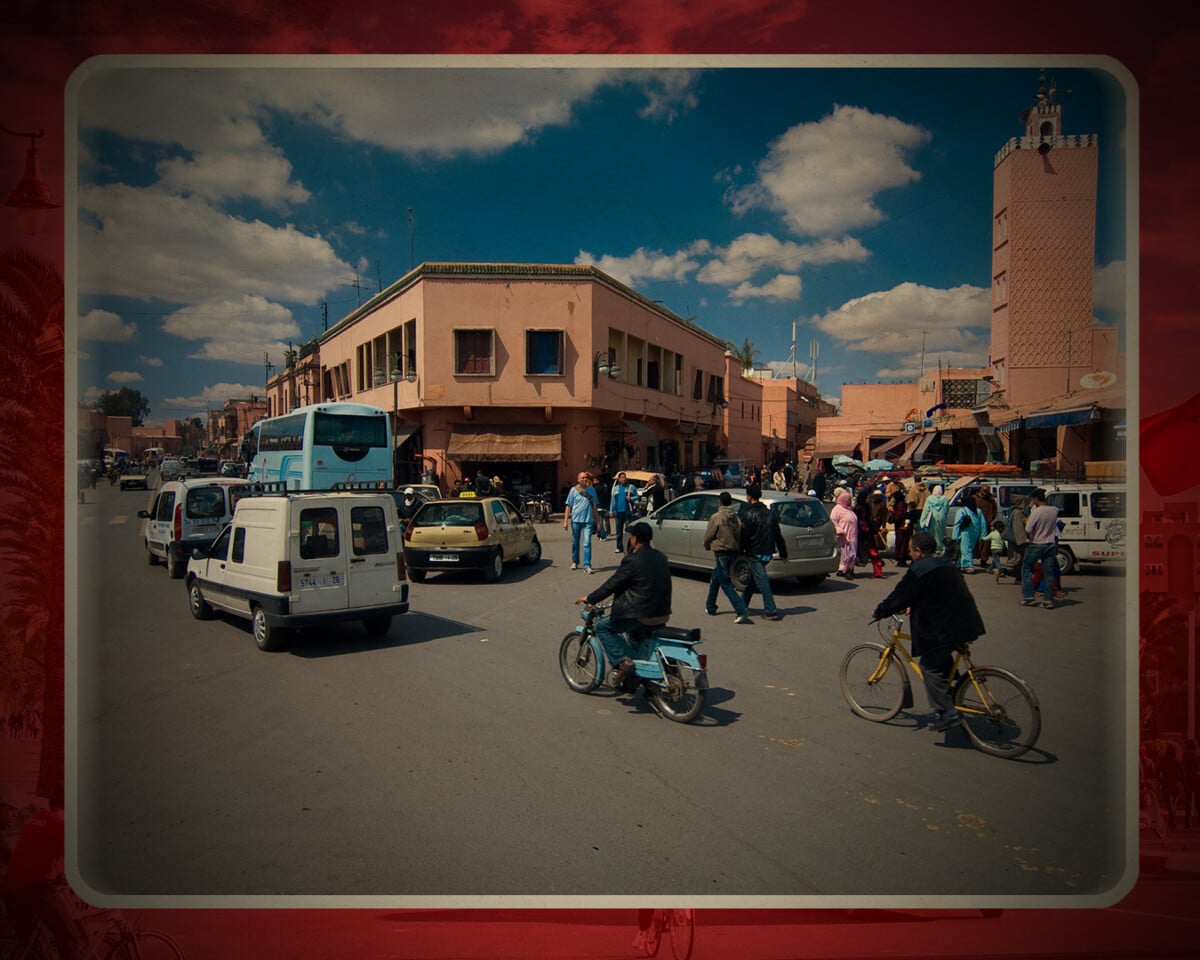
Our driver sped through the city at a rate of knots, us passengers being thrown around in the car. There were no seat belts, as there rarely seem to be in Moroccan cabs. We occasionally looked back behind us, and the car was hot on our tail. Then it happened. Our driver, presumably not paying attention because of the car on our tail, went through a red light, and I looked to my right and saw a car speeding towards my pal, literarily inches away, and I braced for an almighty impact, following which our car skidded across the road, and somehow, I don’t know how, we avoided contact. Fortunately, the many Golds had dulled our emotions, and it was only getting into our beds that night that were realised the severity of what had happened; we were centimetres from near-certain death.
Of course, we didn’t realise what that argument between the drivers was about, and the next night we got in another inDrive. A big mistake, and we ended up on our second car chase in 24 hours. This time, we had a 7am train the next morning and weren’t blotto’d, which made the whole thing a lot scarier. The car was speeding down the highway, crossing lanes as it went around bends, and at one point tried to do a 360-degree turn through a petrol station to evade the chasing yellow cab, but eventually, our driver gave up, pulled over and shouted at us to get out, and we did, but as we got out onto the pavement, a taxi pulled up, shouting at us and the departing inDrive. We decided against making the same mistake for a third time and instead walked 45 minutes back to the hotel.
It was clear that the intention of the taxis wasn’t to hurt us; they just wanted to make inDrive a scary risk for anyone looking to drive for them. That’s all well and good, but by undertaking car chases across this North African city, it does put the lives of tourists at serious risk.
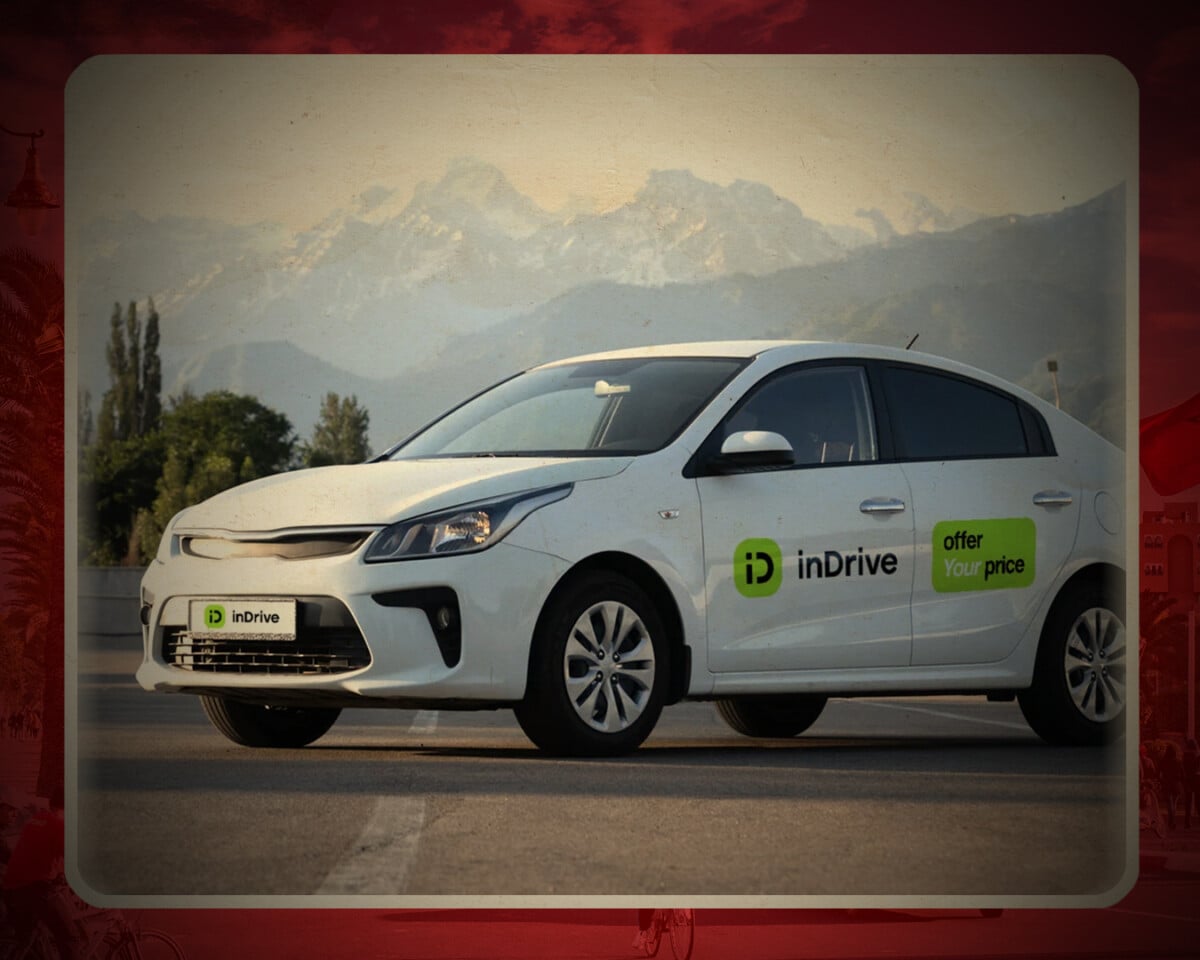
We’ve seen battles between traditional taxi drivers and ride-hailing apps across the globe, but it’s rarely in a way that puts users at risk of their lives. The taxi drivers are part of professional associations and obviously see this as a threat to their livelihoods. There are also wider concerns with inDrive, which acts in something of a grey area in terms of legality.
The problem is that this has turned from an issue of regulatory tension into real-world confrontations. There have been a number of instances of attacks, threats and chases across the country, with one diplomat in Casablanca even seeing his inDrive driver get attacked, which led to the arrest of one cabby.
Morocco has a wider problem as they struggle to modernise urban transport, with Marrakesh being particularly bad, but the government need to get a handle on what is happening on their roads. The taxi driver’s concerns need to be listened to and understood, but with scamming and safety both being huge issues, there has to be some sort of allowance for ride-hailing apps. At the very least, there needs to be safety for those using these apps.
I was lucky to be able to leave Morocco with nothing but fond memories of my time there, but I was seconds away from death. This battle between taxi drivers and inDrive isn’t going anywhere, and if the authorities do not find a way to settle it, then it feels inevitable that it won’t be long until tourists die on Moroccan roads if these attacks continue.
