


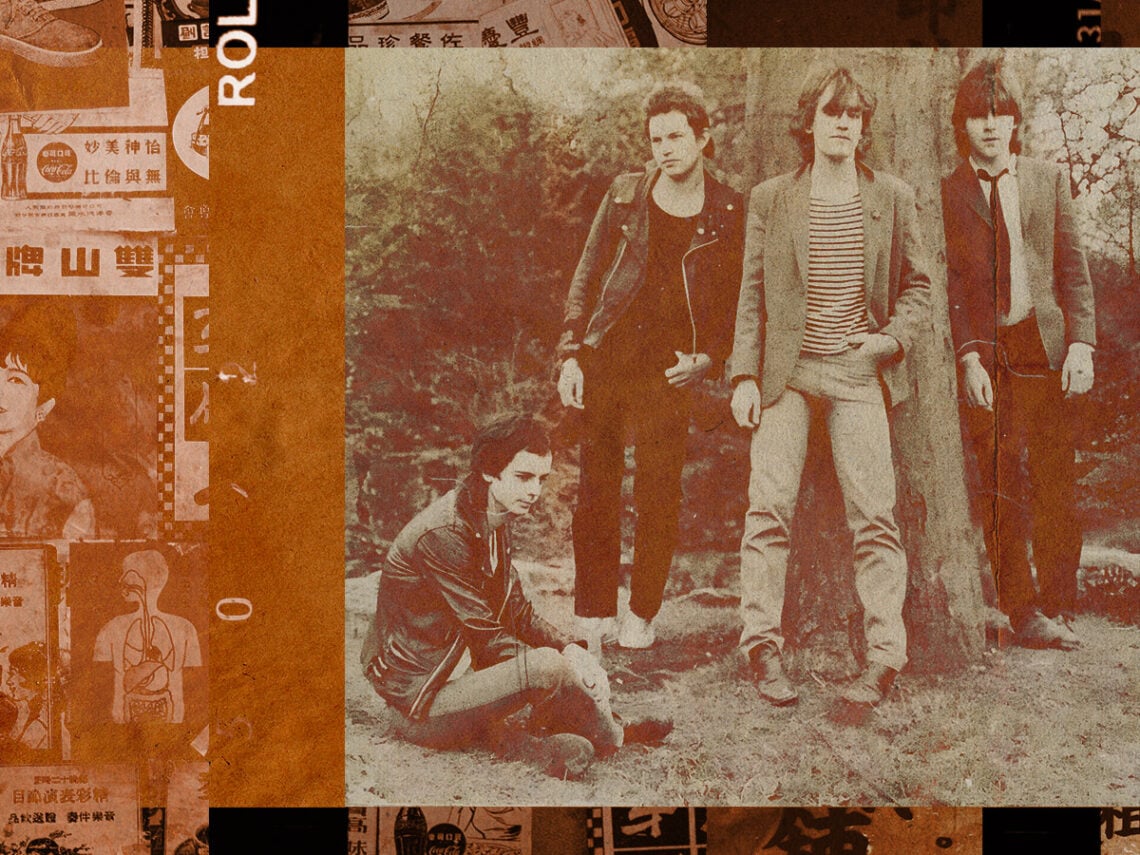
What was the The Vapors song ‘Turning Japanese’ about?

The start of the 1980s marked a strange time for rock and roll. Although the decade has become synonymous with MTV, the platform didn’t truly become widespread in living rooms worldwide until 1982. The world was still looked in the throes of the punk revolution, but even that was starting to take a bit of a different turn as The Vapors made their mark.
Punk had slowly transitioned into new-wave ever in the late ’70s. By the time the Sex Pistols called it quits, punk rockers were already going in different directions. The Clash had started incorporating dub and reggae elements into their sound, and The Jam were mining songs with more of a pop groove. In between all of those emerged, The Vapors, with an utterly incomprehensible song.
From a musical standpoint, ‘Turning Japanese’ is one of the best instances of pop-new wave from the ’80s, with sharp guitar work and nervy punk rock energy. However, what does the term ‘Turning Japanese’ mean? Frontman Dave Fenton has always been a bit cagey about the song’s origin, saying on Vh1 (via Songfacts), “Turning Japanese is all the clichés about angst and youth and turning into something you didn’t expect to”.
There’s nothing wrong with a traditional coming-of-age tale, but it was widely presumed that the song is about masturbation. Since ‘Turning Japanese’ is about nervous energy, the conclusion made by many was the track’s title was about how one’s facial expression looks when climaxing.
The band has always denied the comparison, but it is easy to see where the rumours came from when looking deeper at the lyrics. Elsewhere in the song, Fenton talks about only having a picture of this object of his affection and that he wants to kiss it when there’s no one else around. Even when this person wrote ‘I love you’ on the picture, his response of ‘me too’ suggests that he may be up to naughty things in secret.
It only gets stranger when you get to the end of the verses when Fenton talks about wanting a doctor to take a picture of her internals so he can also look at her that way. Compared to the lighthearted sound of the song, this is the kind of imagery that Trent Reznor could have used for Nine Inch Nails’ ‘Closer’ a few decades later.
While the effort remained a mainstay of the early days of MTV, it wasn’t enough to sustain The Vapors’ career. In the ensuing months, the band underwent different lineup changes and tried to adapt to the times before finally being dropped by their label. Nevertheless, ‘Turning Japanese’ has remained a staple in rock history, even being part of Taylor Hawkins’ cover band setlist when he played outside Foo Fighters.
The lyrics behind this song might not be the most wholesome and are more than a little bit gross, but the sound captures a moment of time when punk rock had almost officially died. Watch the music video for ‘Turning Japanese’ below.
