


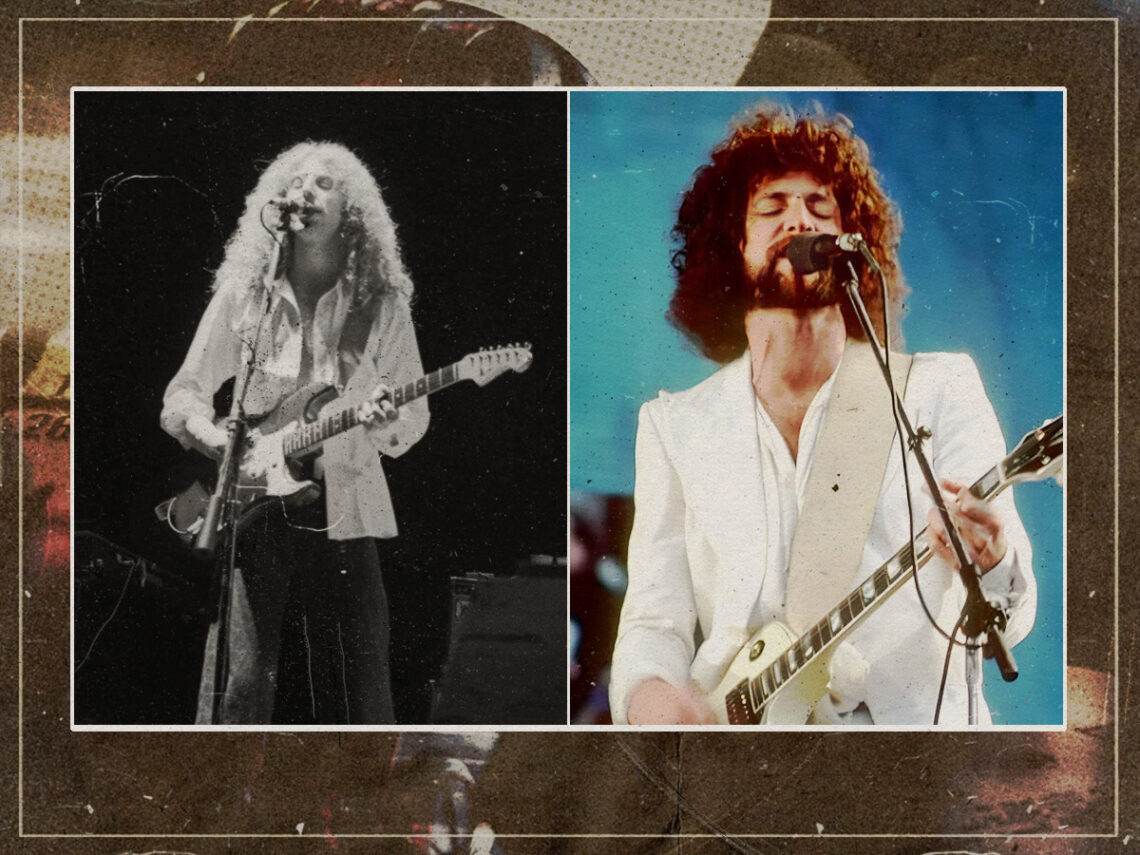
How Waddy Wachtell influenced the career of Lindsey Buckingham: “This is your shot”

Even those unfamiliar with the name have likely come across the impactful works of Waddy Wachtel at some point during their lives. Whether it’s in the deeply-cut ridges of Stevie Nicks‘ ‘Edge of Seventeen’ riff or the upbeat, bouncy arrangements of Warren Zevon’s ‘Werewolves of London’, Wachtel’s legacy pervades the very foundations of musical history, infusing the vibrant sounds of rock ‘n’ roll pioneers with his distinctive guitar style and soulful melodies.
For Lindsey Buckingham, experiencing the magic of Wachtel would first occur during the sessions for Buckingham Nicks, which saw the duo pursuing their continued dream of being signed following several failures in their previous band, Fritz. Their “taste of the big time” officially arrived once they signed with Polydor, which led them to session musicians Jim Keltner and, of course, Wachtel.
According to Wachtel, the entire experience was seemingly plain sailing – in fact, he described the three of them as “very tight, tight friends” who “were always together”. In his recollections, the group would sit around, “smoking hash” and listening to the demos that Nicks and Buckingham had recorded on their Ampex tape machine. Up until that point, Buckingham had honed his guitar skills alongside school friends in Fritz, but now, he became immersed in the professional and pioneering world of Wachtel and the accompanying session musicians.
“I had already met Leland [Sklar] at that point,” Wachtell told All Day Vinyl host Scott Dudelson, recalling the dynamics that ensued during the recordings. “[Keith Olsen] said you’ve got to play on this record ’cause they’re great, you’re going to really like them, they’re great singers, they’re really good writers, but the guitar player doesn’t know how to play with anyone else. He doesn’t know how to play with another guitar player, so you’ve got to work with them.”
Afterwards, it became clear that Buckingham had developed a strong sense of trust in his fellow guitarist and musician, who not only inspired his own skillset but became a musical advisor and confidant. This is evidenced most notably by the call that Buckingham made to Wachtell when he first got offered the Fleetwood Mac gig. “Lindsey called me and said, ‘Listen, I got this phone call from Mick [Fleetwood]. He wants us to get in Fleetwood Mac,’” Wachtel recalled.
He added: “I went, ‘Yeah, what’s wrong with that?’ He goes, ‘Well, I don’t know, man! I want to do our thing.’”
Astounded at the conversation he was having, Wachtel reassured Buckingham that accepting the offer was a sure way to “do your thing”, adding that “the mistake you’re making right now is that you’re on the wrong phone call! Call Mick Fleetwood back and tell him yes! This is it, man. This is your shot right here. This is it. This doesn’t happen again.”
Although Buckingham later reflected on the decision, calling it a difficult choice to make “because we had this sense that maybe something was actually going to happen,” it’s clear that Wachtell urged Buckingham to take the leap and aim for greatness outside of his partnership with Nicks. Of course, their relationship would form a major focal point for the band and its successes. Still, without accompanying input from John and Christine McVie alongside Mick Fleetwood, it’s difficult to imagine the pair reaching the same amount of popularity as they did within the group.
