


The two virtuosos who changed the direction of bass playing, according to John Entwistle

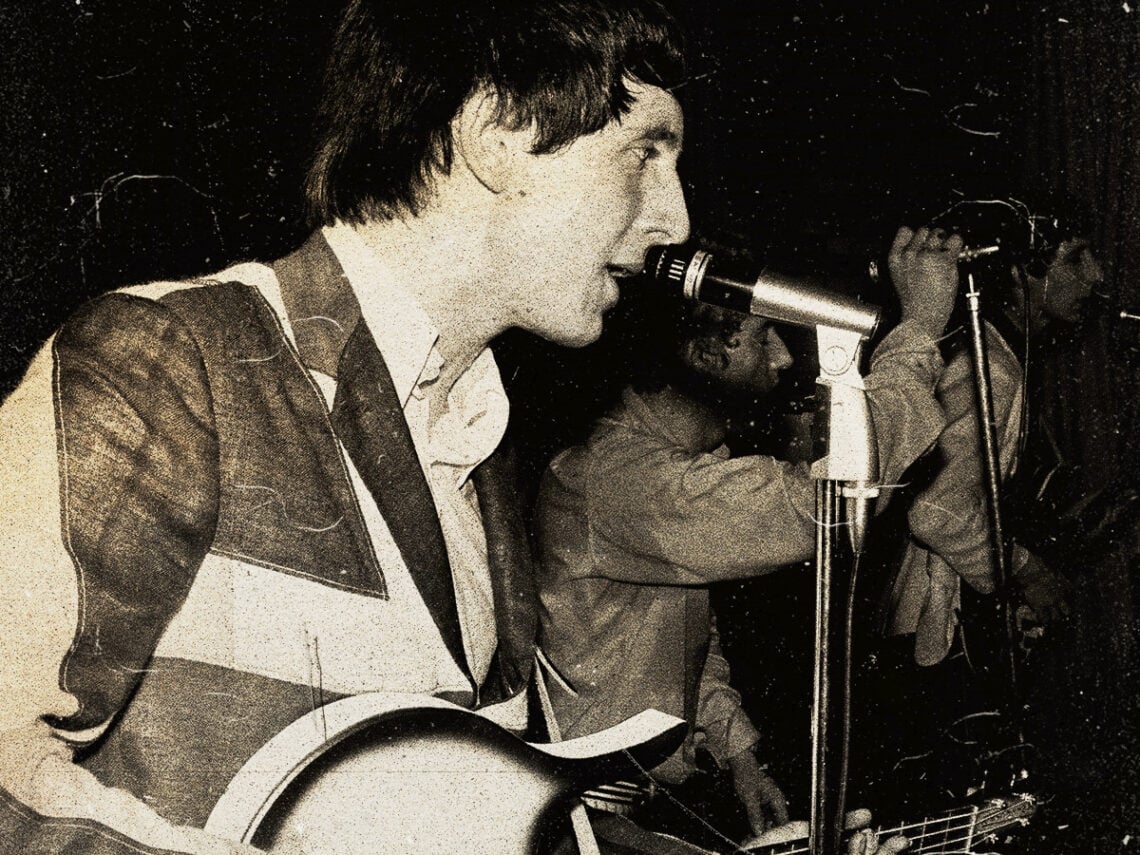
You have to feel for bass guitarists; since the dawn of rock, bassists have orchestrated an utterly essential aspect of the genre’s distinct sound. Whatsmore, bass guitar is utterly essential to genres like jazz, reggae, and soul. Yet, even today, the limelight is still firmly planted on lead singers or six-string guitarists. One of the few figures within the rock golden age of the 1960s was The Who bassist John Entwistle, who created some of the era’s greatest basslines.
The Who rarely adhered to the conventions of popular rock music. From their inception in 1964, the band took their cues both from the diverse modernist subculture as well as songwriter Pete Townshend’s background as an art student. As a result, the band released some of the most revolutionary material of the 1960s, pioneering a style of fast, distorted rock which the bands of the punk age would later embrace. At seemingly every turn, The Who sought to subvert expectations and defy genre conventions.
During the early days of the band, one of the many ways The Who challenged the rock status quo was by playing Entwistle’s bass at the front and centre of their sound. Exemplified best by the bassist’s solo on the youthful anthem ‘My Generation’, these moments helped Entwistle to alter the lineage of rock and roll bass guitar playing indefinitely. This is perhaps why the Chiswick native went on to influence everybody’s playing style, from Geddy Lee to grunge hero Krist Novoselic.
Given the barren landscape of rock bassists prior to the advent of Entwistle, most of his own inspiration came from the world of American soul, jazz, and R&B. James Jamerson, who played bass on the vast majority of Motown hits during the 1960s was particularly influential on Entwistle’s playing style, and The Who member maintained his appreciation for soul and jazz for many years after he rose to prominence himself.
In fact, Entwistle once highlighted the bass-heavy brilliance of the early 1970s jazz fusion scene. This controversial blend of jazz with rock and roll music divided fans, but the movement also brought some truly groundbreaking musicians into the spotlight. During an interview in 1989, Entwistle picked out both Stanley Clarke and Jaco Pastorius as particularly notable figures within the scene.
“They were virtuosos who took bass in a different direction than I did,” he told Guitar Player, clarifying, “Not in a rock way, but in a funky, jazzy way.” Both Clarke and Pastorious were essential in the development of jazz fusion as members of Return To Forever and The Weather Report, respectively. With these groups, the bassists helped to introduce the inherent and diverse sounds of jazz to a more rock-oriented audience, earning the ultimate appreciation of Entwistle in the process.
His appreciation for Clarke and Pastorius played into Entwistle’s overarching view of bass playing and its differing realms. As he shared, “If you drew a family tree, you have me going up in one direction, then you have James Jamerson, with a branch for Jack Bruce and Carol Kaye–they’re sort of the early funk, real bass players.”
He went on to explain, “They lead to Larry Graham, with branches for people like Stanley Clarke and Jaco, which then lead to people like Mark King and Pino Palladino.”
According to Entwistle, the great bass players of the 20th-century are all intertwined, spanning across various different genres, scenes, and playing styles. Although he may be at risk of downplaying his own influence over rock bassists, his appreciation for the world of jazz bass seems very in-keeping with the diverse music and history of The Who.
