


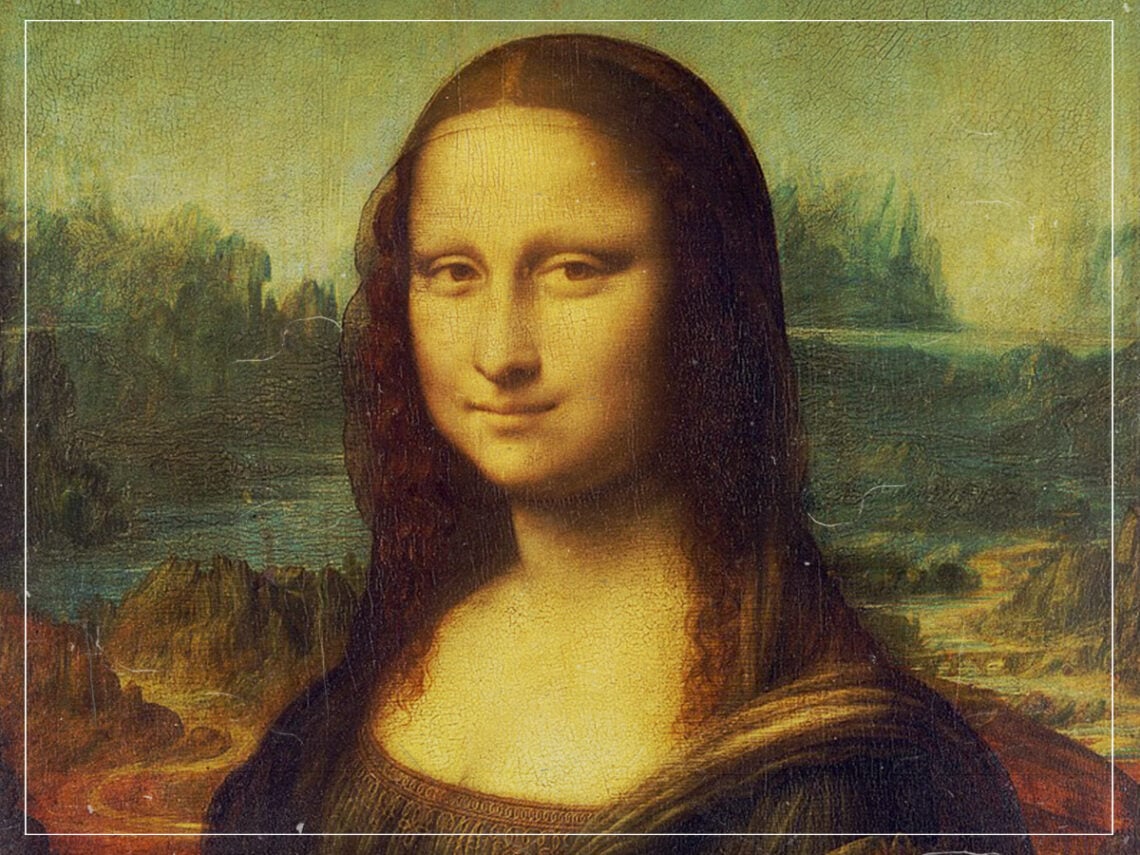
Vincenzo Peruggia: The man who stole the Mona Lisa

The beauty of art is the subjectivity of it. Whatever kind of person you are and whatever mood you are in, there will be pieces of art that feed into that specific moment. As such, the idea of having hierarchies in art and an objective view of what the best pieces are seems silly, as it is the individuality of the art that makes it so appealing.
However, even though we say objectivity within art is odd, there is no escaping the fact that some pieces are regarded as higher up than others, whether this is because of genuine merit or the culture surrounding it. Nestled comfortably at the top of the tree is the Mona Lisa.
Leonardo Da Vinci painted the Mona Lisa in 1503, and it has since become one of the most famous pieces of art in the world. There are a number of things that stand out about the Mona Lisa, be it her smile, the technique that Da Vinci used to paint it, or simply the fact that it’s attached to Leonardo Da Vinci. Regardless of whether you love or hate it, it’s one of the world’s most recognisable pieces of art and, subsequently, one of the most expensive.
Everyone knows that if they were to steal the Mona Lisa, they would be rich beyond their wildest dreams, as the painting is priceless. The idea of stealing now seems like an impossible task, given how much security surrounds the Louvre, where it’s hung, and the individual painting itself. However, in the early 1900s, the security at the Louvre wasn’t quite as strict, and one man decided to take advantage of that.
Vincenzo Peruggia was a petty thief from Italy who moved to Paris in 1908. When he arrived, he accepted a job as a handyman in the Louvre. He only had one role: installing and repairing protective glass cases that were put over paintings. While many would simply do the job and earn a living, Peruggia took things one step further and used his time at the Louvre to learn about the facility’s security, how to remove protective glass and the measures which were taken to stop works of art falling into the hands of criminals.
With his work, Peruggia also had unfiltered access to the gallery at any time of night. He wore a white smock, his work uniform, and when people saw him in this, they knew that he had permission to peruse the gallery floor regardless of the time of day.
On the fateful night, he didn’t act alone. Peruggia hired two henchmen, who hid in a security closet until the gallery was closed. When it was late, Peruggia let them out, and all three removed the painting from the wall and wrapped it in a blanket. They hid once again until the gallery reopened, which is when they left through the front door as if they had been looking around.
It was the perfect crime, and Peruggia would have gotten away with it if he had attempted to sell the painting to the right person; however, he ended up approaching Alfred Geri. Geri had the painting authenticated and then pretended to go along with the sale but called the police instead. Peruggia was locked up and the Mona Lisa was returned to her rightful place, where she has stayed ever since.
