


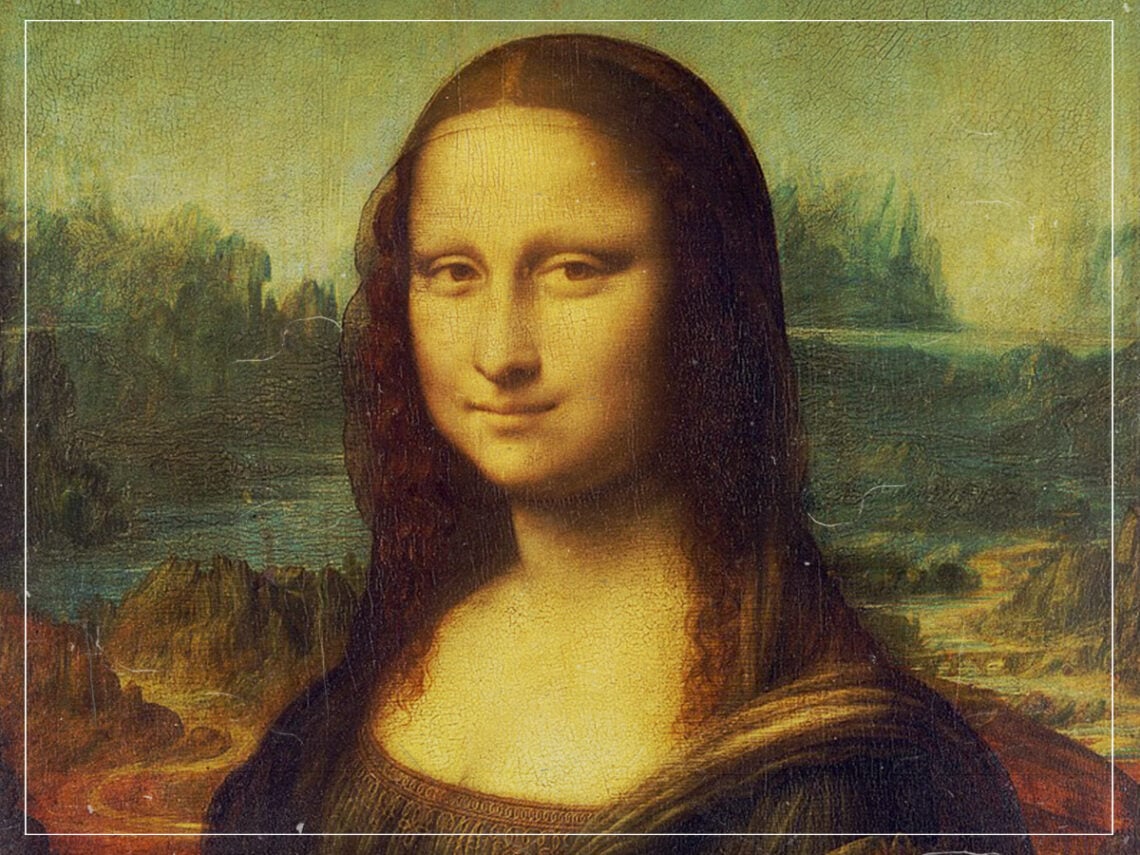
The multiple ‘Mona Lisa’ problem

They say the eyes of the Mona Lisa follow you around a room. The demure smile of Leonardo Da Vinci‘s finest creation has been subject to public fascination for centuries. Trailing behind the actual, all-seeing painting are various copies, which pop up so often that it casts doubt on the legitimacy of the real one. She’s been stolen and recreated all throughout history, and there’s now an entire foundation dedicated to proving a second version exists. While the Lourve laid claim to the undeniable one, the Mona Lisa Foundation weathered all art world criticism and continually insists their “Isleworth Mona Lisa” came first.
The Isleworth version is plausibly an earlier painting, named after the location an art dealer bought it from in 1913. It’s strikingly similar to the Louvre version, except she’s younger and stands in front of a different background. That is generously taken as evidence that it informed the second version.
However, by the foundation’s own admission, they’re “wary” of comparisons between the Isleworth and Louvre versions. “Since the foundation maintains that the earlier version was executed before,” they write on their website, “it is therefore mistaken to take the characteristics of the Louvre version as a basis for judgment.” Mind you, it hasn’t stopped people from doing so. Many have pointed out that da Vinci’s preferred medium was wood, but this version is done on canvas. The foundation simply points to the well-documented use of canvas by his peers.
This flimsy point did not go over well with the Italian arts ministry, who have cast serious doubt on the second version’s authenticity. One junior minister said: “It’s junk, a wind-up, it lacks the soul of Leonardo [da Vinci], and I don’t know why anyone believes it.” But even curious-non believers will flock to Turin to see it, which is rubbing salt in the wound given the Mona Lisa is permanently residing in Paris.
It’s not even the only high-profile fake. At some point in the 1950s, Raymond Hekking bought a painting from an art dealer for £3, one he too claimed was the real deal, going to the added length of saying the Louvre version was fake. By virtue of his own showmanship, the copy he had was thrust into art world conversation after he realised a film proving it was real at the same time Jackie Kennedy was brokering a deal to get the Lourve to loan the painting to America for a brief period.
In 2021, even armed with the well-confirmed knowledge that the Hekking Mona Lisa was a copy, it was sold for $3.4million at Christie’s. It was strange, given not only had the auction house touted it as a copy, but its eventual selling price was around 15 times higher than they’d estimated. It remains the most expensive fake Mona Lisa ever sold.
There are many more such cases, though none quite as costly. The Mona Lisa remains an intensely fascinating painting, which will ensure the conveyor belt of fakes will keep churning.
