


‘Tears of Gaza’: Vibeke Løkkeberg’s unique portrait of Palestine

“December 27th, 2008, Israel executed extensive military actions in Gaza, one of the world’s most populated areas. It lasted for 22 days,” reads the opening credit sequence of Vibeke Løkkeberg’s 2010 film Tears of Gaza. It goes on to explain that 1,387 people were killed, 257 of which were under the age of 16. What at the time must have been shocking statistics for those watching the film now seems minuscule in comparison to the scale of Israel’s military operations in Palestine since October 7th, 2024, in which some 40,000 Palestinians have been killed, including an estimated 16,500 children.
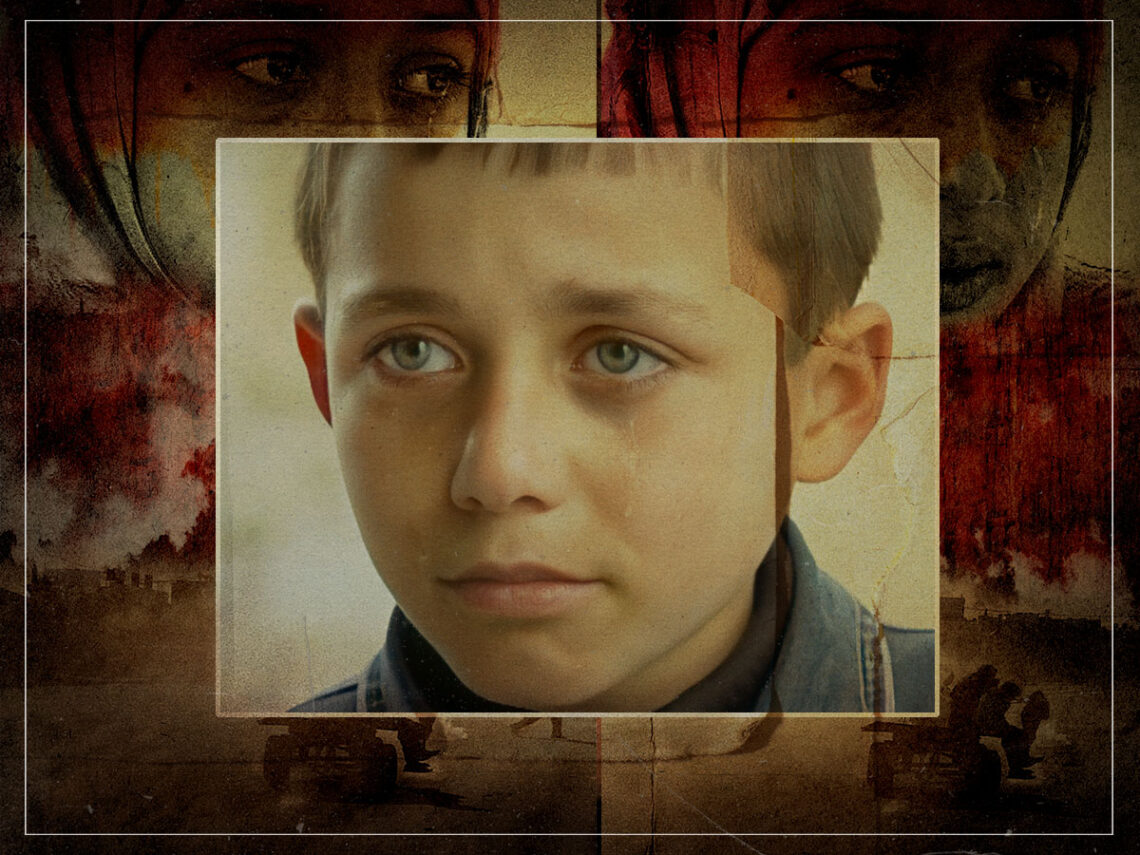
Yet, Løkkeberg’s anti-war film is still one of the most harrowing and realistic portraits of the ongoing war in Gaza. Made at a time when journalists were barred from entry into Palestine, Løkkeberg used on-the-ground footage captured by Palestinian cameramen and smuggled out of the area to show the world the brutality of the war. These distressing scenes are intercut with the stories of three children, Yahya, Rasmia and Amira, shot after the ceasefire, which are almost more difficult to watch. These stories provide a narrative framework for the film, which otherwise does little in the way of providing political or historical context.
After the harrowing introduction, Løkkeberg opens with a scene of three young boys, including Yahya, who recounts his trips to the beach with his father, “My father would take us to the beach, he would build a tent, and we would eat watermelons and honey-melons, and all sorts of things. We would swim, and he would carry us on his back and swim. We would have lots of fun when we went to the beach with him.”
In some ways, this sweet reminiscence is more heartbreaking than the brutal footage of the war caught throughout the rest of the film, as it shows the simple, joy-filled lives Palestinians wish to return to, lives just like our own where the sea, fruit and family are enough.
The film then shows Yahya standing alone as the waves wash against his feet. It also shows the humanity of the Palestinian men who were stolen from these children, which is so often ignored by coverage of the occupation, ”When my father was murdered, it felt like I lost my whole world.”
The film’s focus on women and children was intentional, as Løkkeberg wanted to show the effects on those left alone after their fathers and husbands were killed. Instead of taking a specific political stance with the film, the Norwegian filmmaker shows us “the daily lives of the people, to see how they cope with challenges such as cooking amidst ruins with their children, mourning at their father’s grave, and sharing their stories with us” as a way of letting us infer our own meanings and feelings about the situation.
But just because the film was shot by those on the ground and lacks a specific political context doesn’t mean Løkkeberg didn’t have a specific approach to filmmaking. In an interview in 2010, she explained her style, “I made the movie different from a classic documentary. I used dramaturgy in the same way as I would if I were making a fiction movie.”
This dramatic composition and theatrical representation is achieved through the interviews with the three children. It makes us think of the uncertain future of these young people like 14-year-old Amira, who hopes to become a lawyer, and Rasmia, who remarks that her current life is really hard.
Vibeke Løkkeberg’s blending of children’s interviews and shocking real-life footage creates an anti-war documentary like no other, demonstrating the horrors with what Janette Catsoulis called a “method that spits on context” in the New York Times. Løkkeberg calls into question the ways in which anti-war documentaries can be filled with bias that often detracts from the realities and horrors of real war. She lets the horrors stand for themselves, making the audience complicit if they are able to turn away and forget.
