


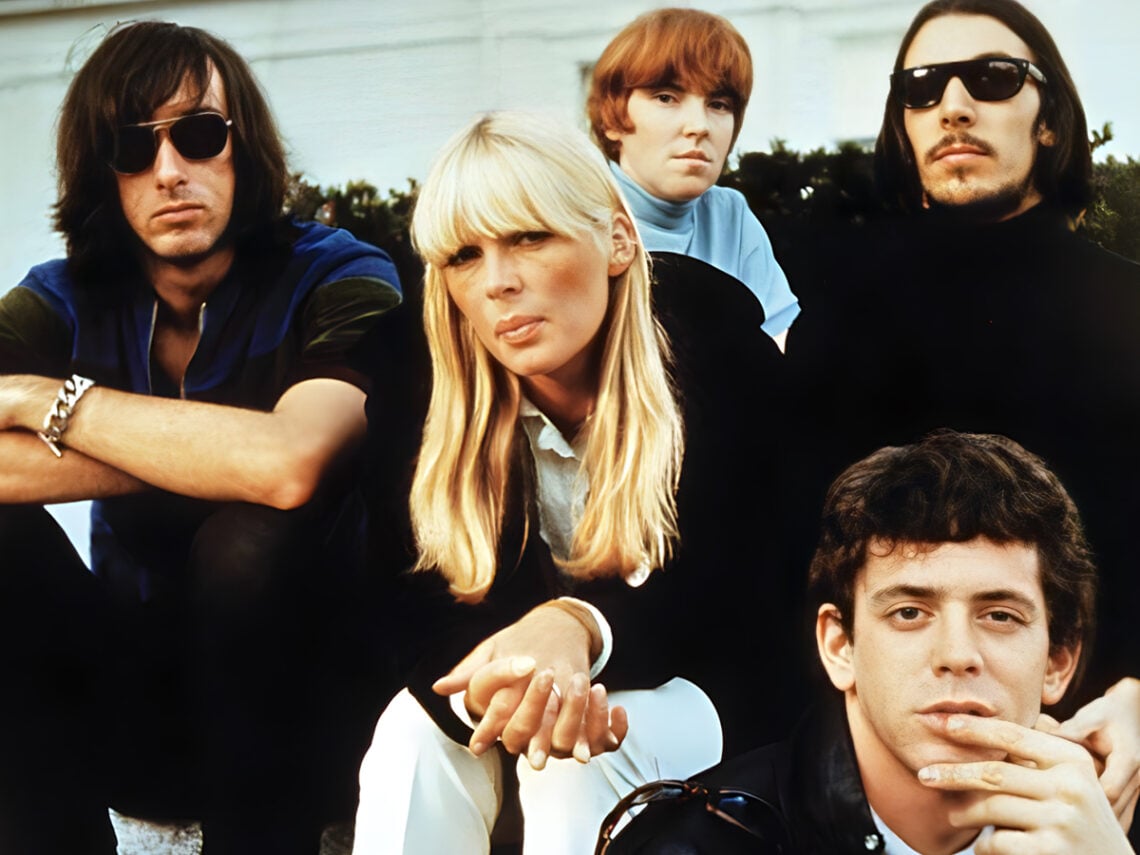
‘Heroin’: The Velvet Underground masterpiece that opened the world up to ‘Trainspotting’

Recreational drug use in the music industry during the 1960s wasn’t exactly a new thing. Musicians had been taking mind-altering substances for decades, even centuries before, with some either dependent on drugs to fuel their creativity and others simply using in order to chase a high that they couldn’t get from the simple joys of life. The Velvet Underground, especially on their 1967 debut album The Velvet Underground & Nico, were no strangers to discussing heroin usage in their songs, with it providing the backbone for the subjects of ‘I’m Waiting For The Man’, ‘Run Run Run’, and of course, ‘Heroin’.
Lou Reed was candid about his use of the opioid in the lyrics of ‘Heroin’, and while he never intended to glorify the use of the drug on the track, he would openly discuss the feelings associated with injecting it without putting any moral spin on it. Reed was never shy when it came to discussing taboo subjects, and with drug culture being something that was becoming slightly more openly discussed at the time despite there being lots of stigma around it, he used his platform as an artist to provide an honest depiction of heroin use.
Of course, it was viewed as a subversive and controversial subject matter to be dealing with in a song, and public opinion on the track was mixed at the time of its release. Critics of the song claimed that it was an immoral glamorisation of something dangerous, ignoring the fact that Reed had never intended for it to be perceived in that way, while some fans took it literally and would often approach the singer to tell him of how they would use the drug while listening to it – something that Reed himself was not exactly comfortable with.
The frantic rush felt in the song is meant to mirror how the drug takes hold of the body and mind, transporting the user to a state of untouchable bliss before crashing back down at the end to mimic the feeling of a comedown. The chaotic drumming, guitar playing and viola all represent the madness of heroin itself and are all of the key components that make ‘Heroin’ one of the most remarkable songs in the Velvet Underground’s catalogue.
There have, of course, been several other important songs that have discussed heroin use in a similar fashion, with the Rolling Stones’ ‘Brown Sugar’ and The Stranglers’ ‘Golden Brown’ both being hits in the UK despite their controversial subject matter. However, one piece of media that has arguably had the largest cultural impact for the way it openly portrayed the effects of heroin and the ups and downs of its use is Irvine Welsh’s debut novel, Trainspotting, originally published in 1993.
The novel directly references ‘Heroin’, with main character Mark Renton saying that listening to the version Lou Reed recorded for his 1974 live album Rock ‘n’ Roll Animal instead of the original is akin to “breaking the junkie’s golden rule”. With the central characters all being users living in the city of Edinburgh, the novel itself chronicles their lives as addicts, some of whom attempt to kick their habit but face tragedy in their attempts to get clean.
Trainspotting became a cult hit after its release, largely thanks to the widespread acclaim received for Danny Boyle’s film adaptation that arrived three years later. While its subject matter was still as transgressive in the ‘90s as it would have been when Reed penned the song nearly 30 years prior, the song opened the door for writers like Welsh to be more open and frank in their discussion of the topic, and while it still refused to show the drug in a positive light, it welcomed both critics and fans for the way it so honestly depicted both the struggles and euphoria associated with heroin use in equal measure.
As controversial as it may have been at the time, ‘Heroin’ was undoubtedly a watershed moment in the history of rock music that allowed future artists and writers in other genres to be more open in their discussion of drug culture, and not only is it celebrated for its presentation now, but it is also widely regarded as one of many masterpieces recorded by the Velvet Underground during their short history as a band.
