


‘The Debt Collector’: the underrated British crime movie based on a real-life gangster

Many of the best crime stories told in cinema have their roots in real life, whether they’re biographical in nature or merely inspired by true events and genuine people. The Debt Collector may apply some creative licence, but in its broadest strokes, it possesses a story so remarkable that there’s no way it could have been concocted entirely by a screenwriter.
In the 1960s, Jimmy Boyle was one of the most feared names in Glasgow, embarking on a reign of terror that kicked off in his teenage years. By the age of 18, he’d already served time, orchestrated robberies, and slashed innocent passers-by with a knife in the city’s Gorbals area before becoming an enforcer for the criminal underworld.
As a moneylender, his job was to collect unpaid debts from those who owed money to the gangs, with his strongarm tactics putting him on trial twice for murder by the time he was 21. He was found not guilty the first time, and charges were dropped on the second, but witnesses were deterred from giving evidence against him on each occasion after their homes were set ablaze.
In 1967, he was handed a life sentence for the murder of fellow gangland figure William Rooney, and while he maintained his innocence for the killing, he served 14 years behind bars. During his incarceration, Boyle turned his attention to art, wrote an autobiography that was turned into the feature film A Sense of Freedom, and began dreaming of a second shot at life as a sculptor and author.
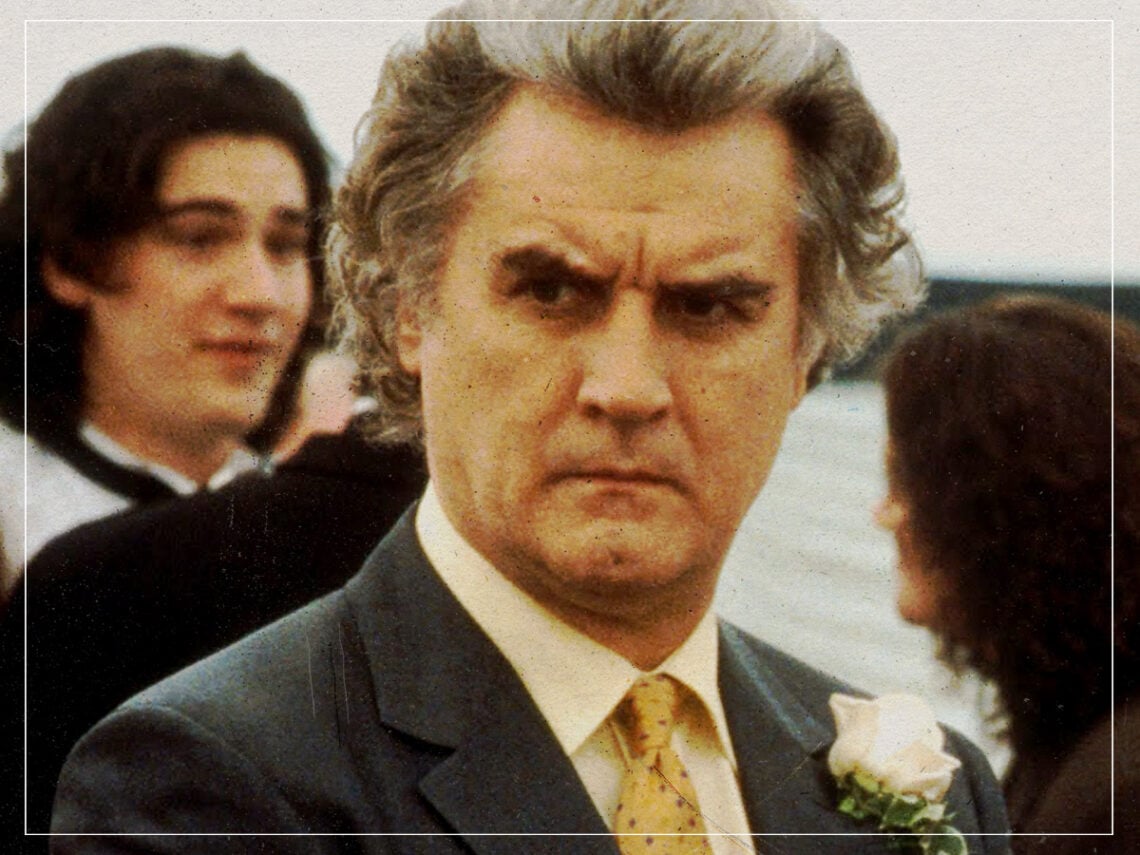
That’s exactly what happened, too, with Boyle having continued on in his artistic endeavours and publishing a string of literary works. Billy Connolly was among those to fund the prison programme that gave the convict his artistic inspiration in the first place, which made it fitting that the ‘Big Yin’ played Nickie Dryden in writer and director Anthony Neilson’s 1999 film The Debt Collector.
Although the names have been changed and the narrative unfolds largely in Edinburgh, the inspirations are clear. Connelly’s Dryden is a reformed former prisoner who used to be a debt collector before being locked up on a murder charge, who reinvents himself as a bestselling writer and sculptor, so it was hardly shying away from looking at Boyle’s life and times.
The main difference is that Gary Stott’s detective has his suspicions that Dryden has reformed at all, stating his repeated insistences that it’s only a matter of time before he returns to his old ways. While Boyle did at least manage to stay out of trouble, Connolly’s character struggles to resist those urges.
The Debt Collector is one of Britain’s more overlooked and unsung crime movies with a heavy basis in fact, and while it may not regale Boyle’s story beat-for-beat, the recurring themes of forgiveness, reformation, the ability to change, and the war between carving out a new path and being drawn back into a world thought left behind were all hugely applicable to the thinly-veiled subject’s own troubled existence.
