Umoja: Kenya’s pioneering women-only village

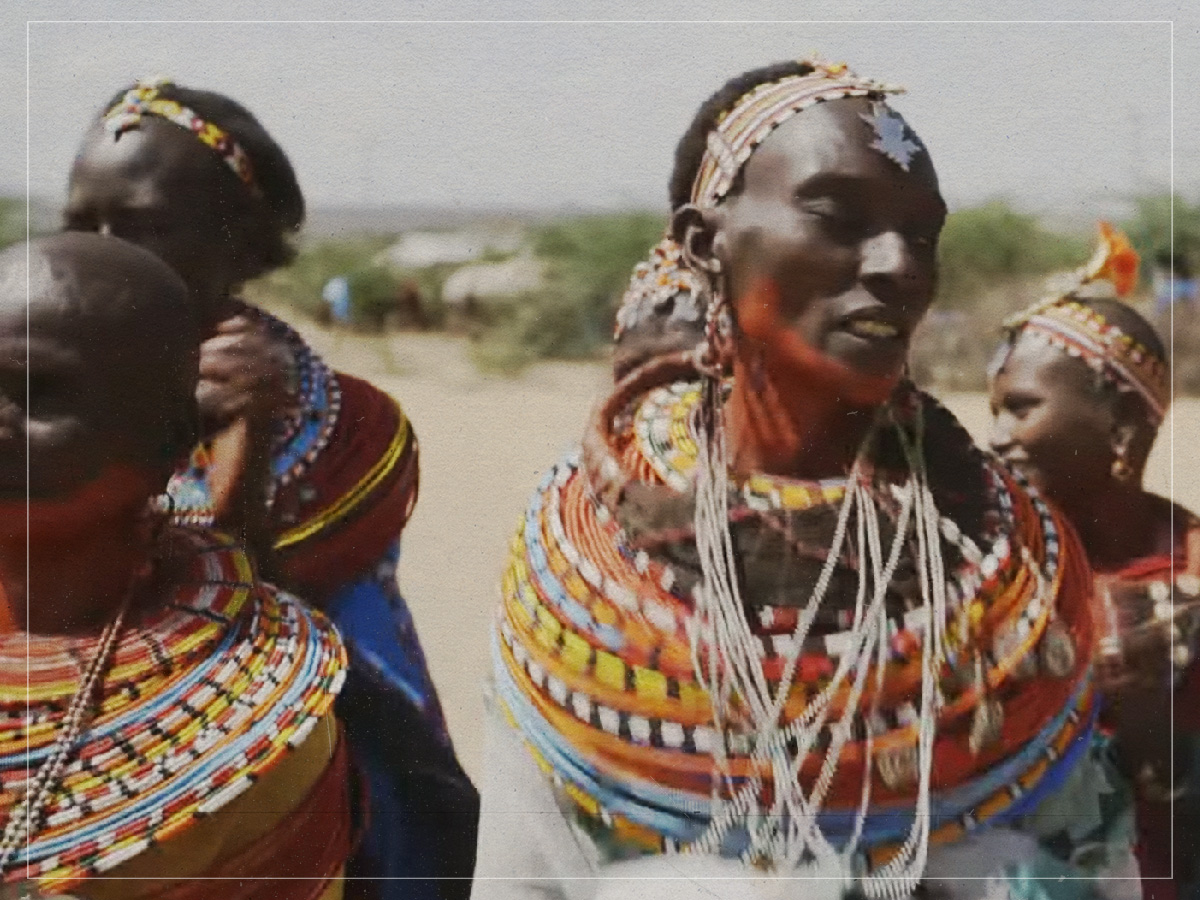
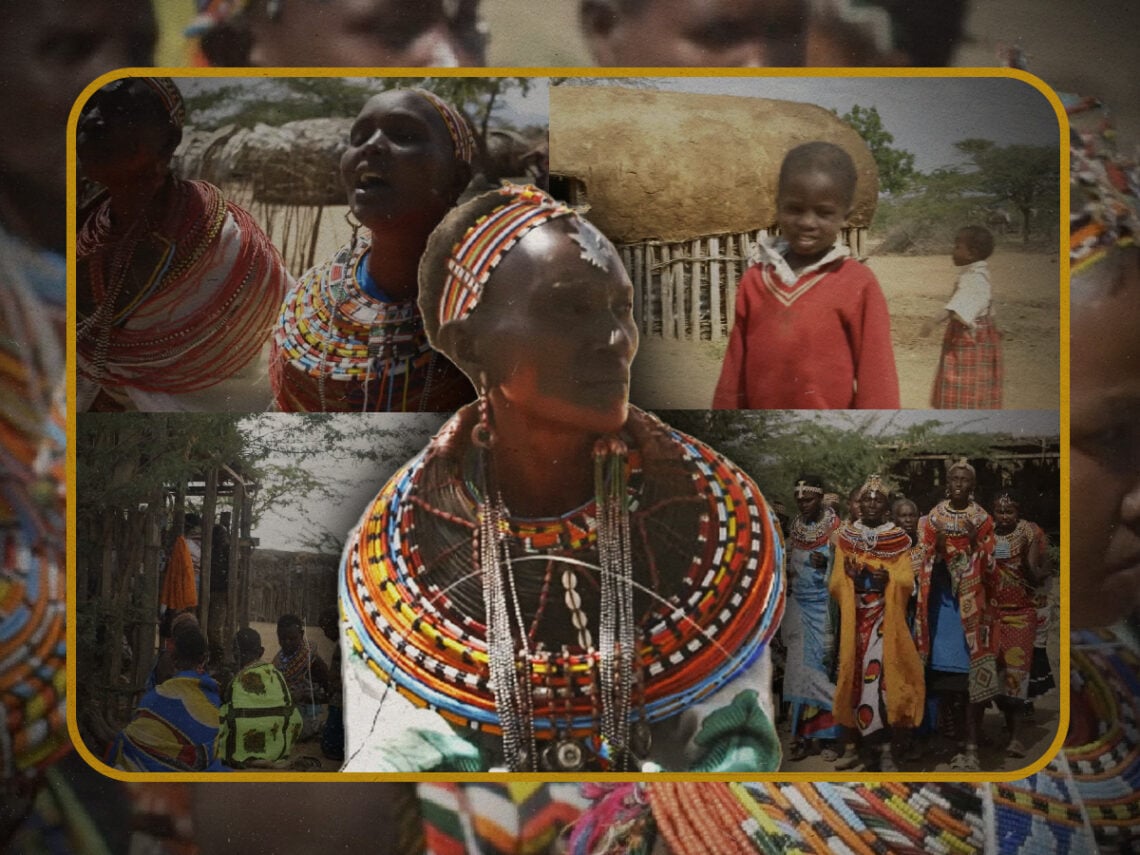
In Kenya, Africa, lies Umoja, one of the world’s most unique villages, which, in over three decades of existence, has not only become a settlement, but in many ways, a social experiment.
The village itself is named Umoja, after the Swahili word for unity, which, as well as making it easy to find on a map, goes a long way to describe the ethos of the community itself.
To understand Umoja, you need to understand where it’s situated in Samburu County, which is an area where patriarchy is king, and in neighbouring villages, it’s men who hold all the power in terms of governance, and that’s what makes Umoja so unique. More than being a small village in the centre of Kenya, this is a matriarchy, a village where men are not allowed to live, with only women and children residing there.
Umoja’s foundation goes back to 1990, when Rebecca Lolosoli, a local woman from a Samburu community, felt that enough was enough, having grown tired of the endless oppression by the men around her and desiring women’s voices to be heard. As a woman in the Samburu community, she underwent the pain and agony of forcible female genital mutilation, as well as the custom of arranged marriage, at a very young age, as a result of which she became vocal in her belief in women’s rights and was viciously beaten.
This led to an epiphany where Lolosoli gathered 15 other women, all of whom were either survivors of sexual violence, domestic abuse or forced marriage, and urged them to form a new community, free from the oppression of men. Leaving their ancestral homes was a bold and brave move, one that went against tradition, but for these women, it offered salvation and a chance to build their own society that protected their rights and allowed them the power they’d not had before.
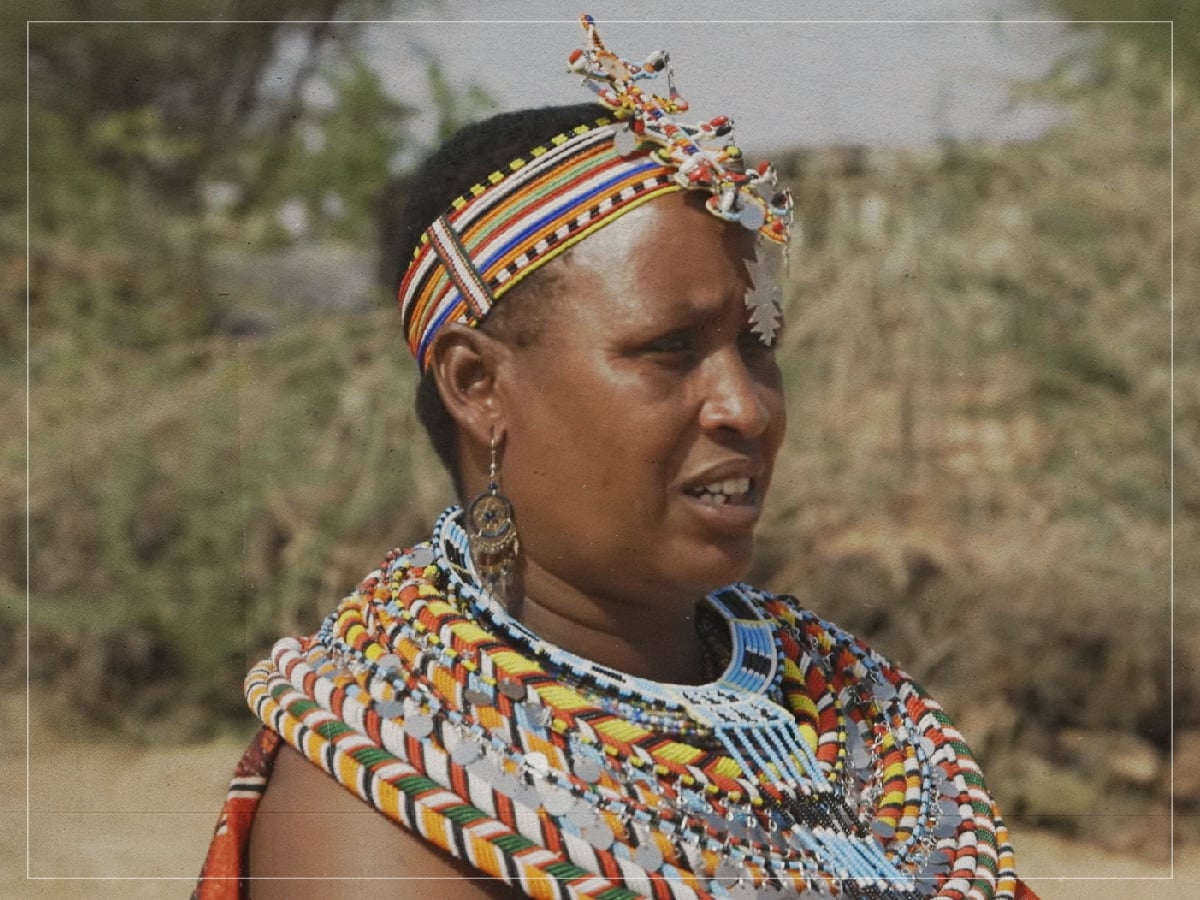
Acting as a literal and symbolic refuge, Umoja gave them another chance at life, and most importantly, it gave them a chance to raise their children in an environment that echoed those values, as well as protecting them from going through the same violence that their mothers had experienced. The village itself is formed with circular huts, known as manyattas, made from natural resources, be it soil, mud or wood, which are then fenced in by thorns and barbed wire, thereby providing security, as well as offering a psychological shield against the outside world.
The boys reach adulthood at 18 and are expected to leave Umoja, with the hope being that by growing up in the community, they can take those values elsewhere. Adult men are allowed in the village as visitors, but they’re not allowed to stay overnight, and they have no authority, restricted from any decision-making, which comes through daily meetings under the ‘tree of speech’, with every woman in the village having an equal vote. Unlike other Samburu communities, there are no leadership roles here, no chiefs nor rulers, standing very much as a cooperative, with everyone having their say on village matters, whether that’s education or business, the latter of which is hugely important to Umoja.
When Lolosoli founded the village, it was essential that the women have economic independence, which would allow them to remain free of men, and they wouldn’t need to go back to their old communities. The location of the village near the Samburu National Reserve means that the village gets a lot of visitors, and add to that local and global scale interest as a result of the unique story of Umoja, and it’s been a recipe for success.
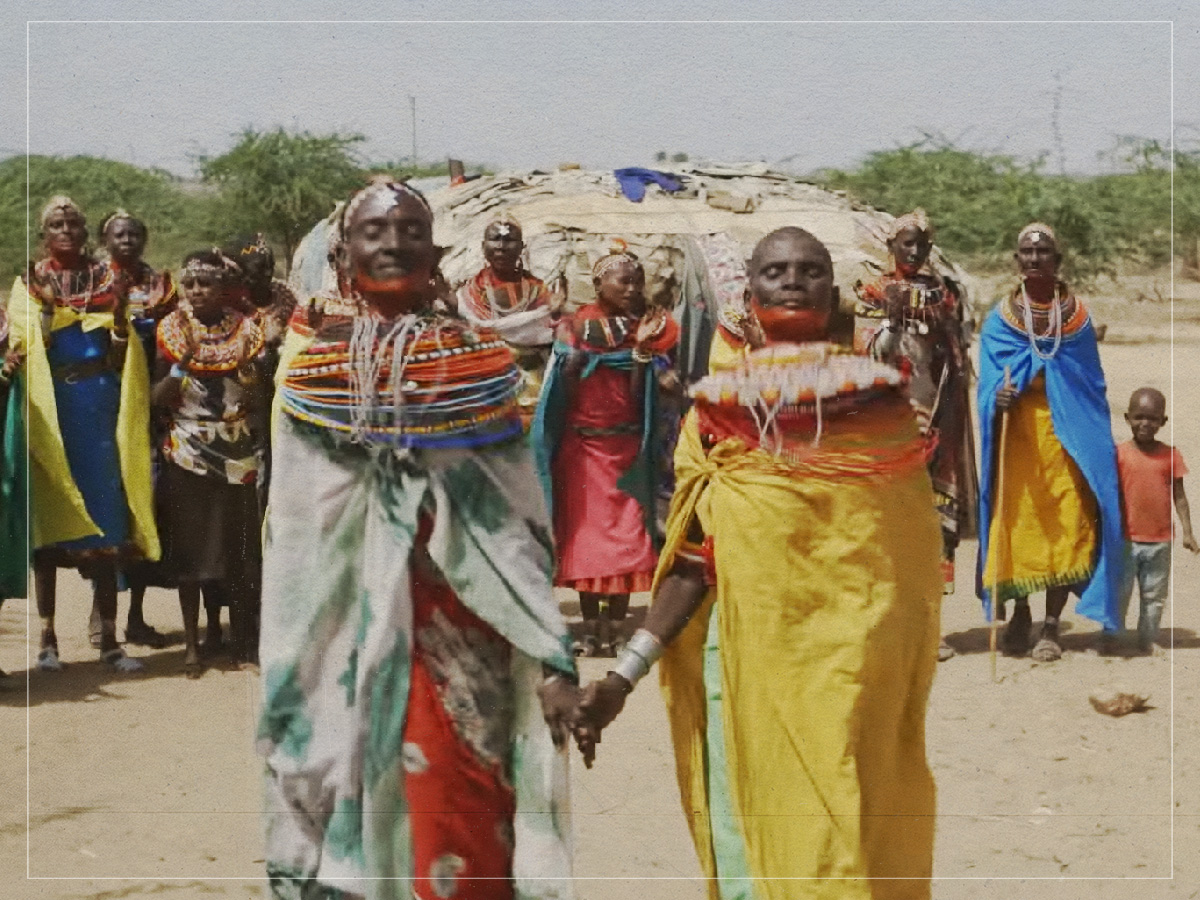
The community operates a campsite nearby, allowing them to profit from tourists visiting the region, and they sell traditional jewellery too, plus any visits to the village involve paying a small entrance fee, something that keeps the coffers ticking over. Profits don’t go into people’s backpockets but are invested back into the community. There’s very much a DIY aesthetic at play, with the women of the village also building their own schools, as well as dictating the curriculum, which is a huge step given that many of the residents weren’t allowed to go to school when they were young girls.
Activism is important in Ujoma too, with women travelling to nearby villages to speak to girls and women about their rights and the importance of education, and also against female genital mutilation and child marriage, encouraging local communities to move away from those customs. However, it hasn’t all been plain sailing through the years, and particularly in the early days, there was a lot of anger from men in local communities, which threatened the women, with attempts made at damaging their businesses, but they’ve kept at it and are through the worst of it.
Umoja is a truly remarkable village in this fairly unremarkable part of East Africa, acting as an example of female power and the strength of collective action, playing an important role in teaching the next generation of Kenyans about women’s rights and the dangers of sexual violence. Its influence has also travelled beyond borders, making this tiny settlement a globally known destination; what started as women reclaiming their dignity and freedom to control their lives has blossomed into something even more powerful, a real beacon for positive change.