


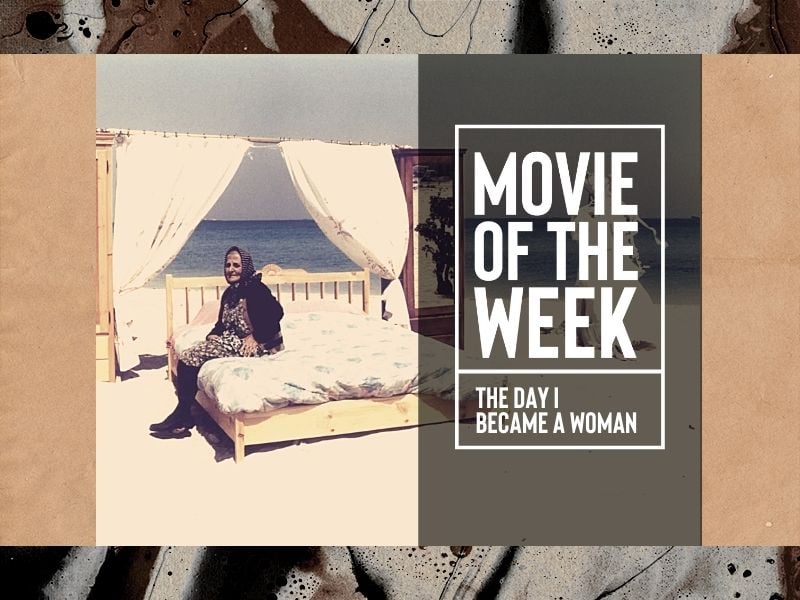
Movie of the Week: ‘The Day I Became a Woman’, Marzieh Meshkini’s powerful protest for women’s rights in Iran

The Iranian city of Tehran has been compared to a battlefield in recent days, with the police force clashing with anti-government protesters following the death of a young woman who died in custody. Producing the country’s worst unrest in years, the protests, which are now in their seventh day, have spread to other cities, leading to eight protesters being shot dead throughout Iran.
Arrested for violating the country’s dress code, which requires women to wear the hijab as well as long, loose-fitting robes, the 22-year-old woman, Mahsa Amini, was violently beaten, according to the onlookers, before she was taken to a detention centre and fell into a coma; passing away three days later. Among the mass protests across the capital and the rest of the country, social media videos show crowds of women taking off and burning their hijabs in an act of national defiance against the repressive government.
Rightly stirring up protests across the country, the event is a tragic reminder of the lack of women’s rights in Iran, with the fight for gender equality being waged for generations.
Such is discussed in Marzieh Meshkini’s seminal Iranian movie The Day I Became a Woman, released at the dawn of the new Millenium in 2000. A fantastic film first and foremost, Meshkini’s film is also a powerful exploration of the social oppression of women across Iran, telling three separate stories that depict women at three stages of life in the country, with each one picking apart the struggles of finding identity in a society that stunts development.
Split three-ways as to cover three generations of women, the first part follows a young girl who is told that she can no longer play with the local boys whilst celebrating her ninth birthday, with the sorrowful tale being told from the perspective of the young girl. Barely able to comprehend the nature of this new societal demand, the story delves into how the decision has a detrimental impact on the growth and agency of both the young girl and her male friends.
The following two stories toy with the concepts of freedom in modern Iran, the first of which follows a young woman who enters a bicycle race against her husband’s wishes, only to be prevented from personal liberty by the grip of her male elders. Bookending the film is a tale following an elderly woman who has come into money after years of restriction and attempts to use it to her discretion, only to discover that her wishes cannot be fulfilled.
Cradled by the compassionate direction of Meshkini, each story feels part of one whole, creating a powerful statement about societal oppression in Iran, daring to voice what many other filmmakers would dare not confront. Not only does she carry this protest out with strong storytelling conviction, but Meshkini also manages to dabble in the surreal cinematic playfulness of Federico Fellini, using striking visual imagery to communicate her compelling point of view on the state of her country.
A smart and incredibly moving drama, The Day I Became a Woman remains as relevant as it did when it was released at the promise of the new millennium as it does 22 years later. From the wistful opening story, through the playful midway tale and the final weighty flourish, Meshkini creates a modern masterpiece that draws to a close with a meditative scene that brings together each of the three protagonists for one final poetic plea for real-world change.
