


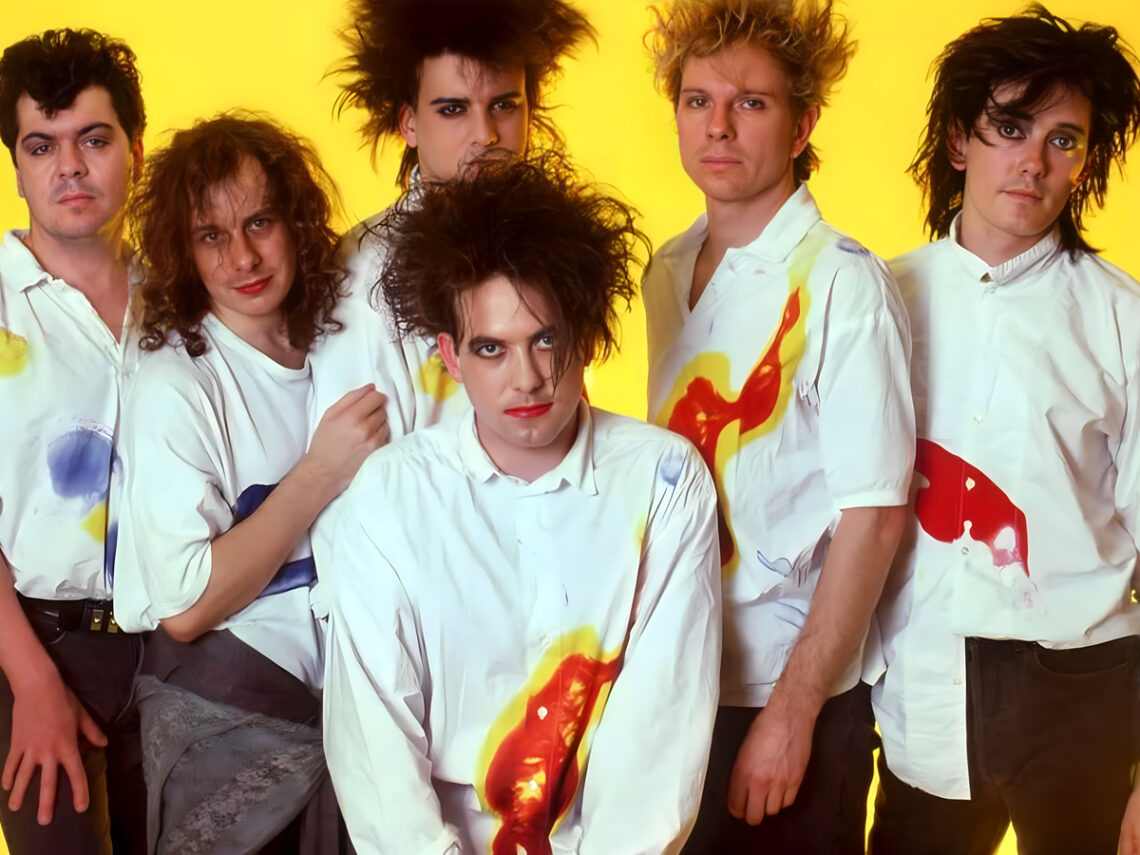
“This is it”: the two concerts that formed The Cure

One of the biggest parts of growing up is finding out who you really are. At times, it can be hard enough to discover your image, your values, and your desires, and trying to do that, all with the ambition of becoming a rockstar, must descend into some sort of identity fever dream. But for any budding artists, fear not, because it even took the big guys some time – just look at The Cure.
The global megastars spanned multiple genres before they settled on their definitive sound, but back in their nascent days, there were two major events that helped shape who they became.
To all intents and purposes, the band’s inception got off to a bit of a shaky start. They began life with an ill-tuned singer, who at their first gig in a local school hall was so bad that “we would have left along with most of the audience if that were possible,” original bassist Robert Dempsey later admitted. A rethink was in order.
Even after ditching the singer, progress was still stunted a year later. With a string of poorly received appearances under their belt, including an infamous concert at a hospital’s Christmas do, the weight of being stuck in smalltown Crawley bore heavy on The Cure’s members. Life consisted “of going down the pub and having fights with skinheads,” confessed Lol Tolhurst. “Deep in our psyche, we knew: If we don’t do something, we’re destined to live in this place until we die.”
Then, a window to the rest of the world was opened in the form of The Stranglers, who the band took a trip to see in concert on January 20th, 1977. It was an epiphany moment. Robert Smith said: “When I first saw The Stranglers, I thought, ‘This is it.’” The pieces of the puzzle fell into place very quickly after that when he “saw the Buzzcocks the following week, and I thought, ‘This is definitely it.’”
Smith’s intuition was right, although it still took a while to achieve the vision. Within months of those concerts, the band – then going by the name Easy Cure – had been signed and then subsequently dropped from a contract because they refused to sing cover versions. They had levelled up to performing regular slots at pubs around Crawley, but it got to the point where Smith had to take matters into his own hands and start sending tapes to record labels himself. One of the songs on that tape was ‘Boys Don’t Cry’, and one of the only producers who heard it and decided to take a chance was Chris Parry of Polydor.
Clearly, Parry had a knack for recognising potential because, over time, ‘Boys Don’t Cry’ became one of The Cure’s greatest hits and will inevitably form a major component of their sonic legacy. What is most striking about The Cure’s story is their work ethic, indestructible tenacity, and determination to succeed, even when things haven’t gone their way for so long.
When the band were finally gracing worldwide stages, did they ever think back to those seminal first gigs they saw and realise how far they’d come? That hope allows the circle to repeat itself – because who knows how many young rockers have stood in The Cure’s crowds and been spurred on to success through being inspired, just in the same way The Stranglers and the Buzzcocks had done for them so many years before.
