


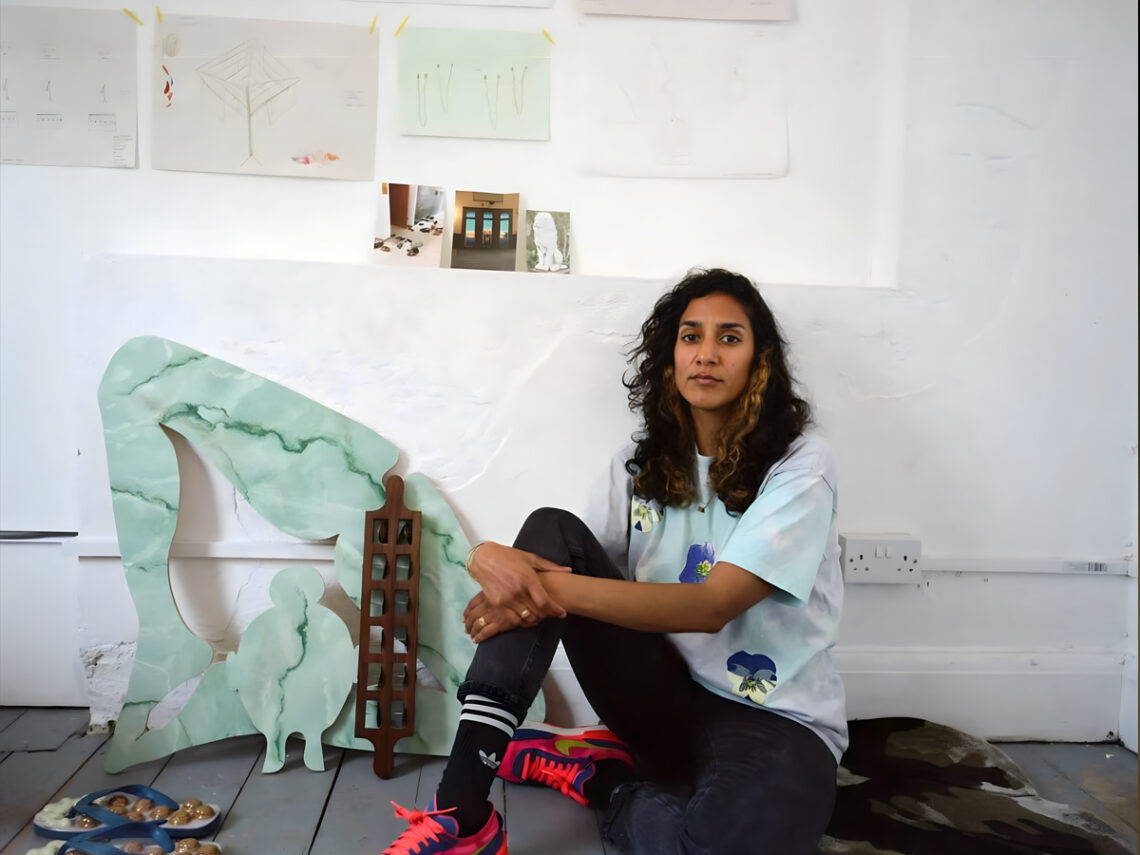
Turner Prize 2024: Jasleen Kaur crowned winner

The Turner Prize, the UK’s most highly publicised and well-known art award, has been given to Jasleen Kaur. In her acceptance speech, she took a political stance on behalf of the people of Palestine.
The Turner Prize began in 1984, named after the British painter J.M.W. Turner. Each year, it is presented to a talented visual artist and judged based on their previous year of shows, exhibitions, and works. Nominations are taken from the public, but that isn’t the only thing the jury of judges, curators, and critics considers as they attempt to create a shortlist that represents the state of British Art.
Winners typically see a major spike in sales of their art and public awareness of their work as the publicity of the event gets higher and higher each year. For many past winners, receiving the award has benefited their career not only through the cash prize but by suddenly making them a well-known name due to the press surrounding the Turner Prize.
That’s exactly what is happening to Jasleen Kaur right now, as her acceptance speech for the 2024 Turner Prize has racked up a significant number of views on social media platforms. The Scottish artist won the prestigious prize for her solo exhibition Alter Altar, which featured installations that explored religious identities, politics and history. The exhibition was a multimedia piece that made use of sounds, including bells, Sufi Islamic music, Indian harmonium, and pop music.
The jury members of the Turner Prize praised Kaur for “her ability to gather different voices through unexpected and playful combinations of material, from Irn-Bru to family photographs and a vintage Ford Escort, locating moments of resilience and possibility”.
Furthermore, Kaur’s impassioned acceptance speech has also captured attention, which she used to advocate for the people of Palestine. Outside of the ceremony, protesters were gathered following the delivery of an open letter to the Tate, urging them to cut ties with “organisations complicit in what the UN and ICJ are finally getting closer to saying is a genocide of the Palestinian people”.
On stage inside the gallery, Kaur said that she wanted to “echo the calls of the protesters outside.” Talking about their letter, she said, “This is not a radical demand.”
She continued, “This should not risk an artist’s career or safety. We’re trying to build consensus that the ties to these organisations are unethical, just as artists did with Sackler,” she said, referring to the family linked to the opioid epidemic.
“I’ve been wondering why artists are required to dream up liberation in the gallery but when that dream meets life we are shut down. I want the separation between the expression of politics in the gallery and the practice of politics in life to disappear,” she said, “I want the institution to understand that if you want us inside, you need to listen to us outside.”
She concluded her speech with a call for a ceasefire and a proclamation of “Free Palestine.”
