


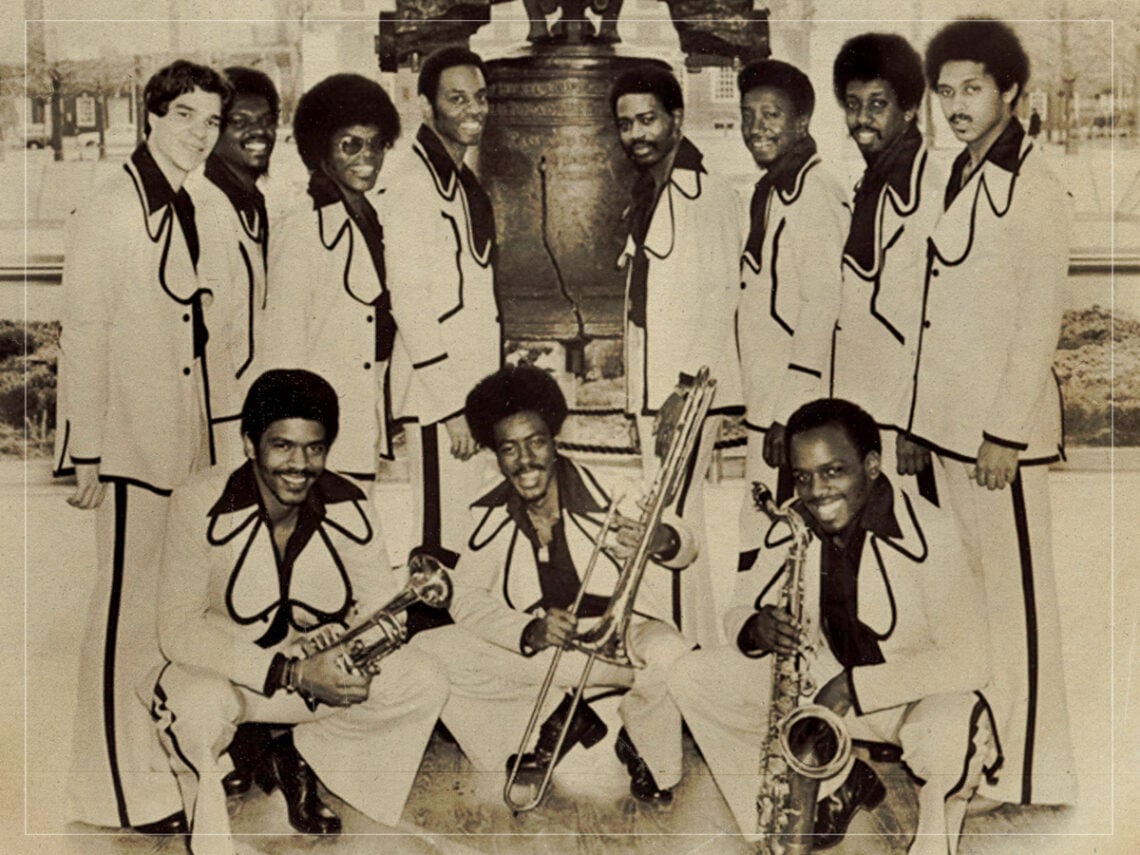
The Trammps: the Philadelphia group that bridged the gap between soul and disco

Soul music was an unavoidable aspect of the musical mainstream during the 1960s. In an age of artistic innovation and cultural revolution, the United States produced some truly groundbreaking musicians during the decade. However, few captured the zeitgeist of the era quite like the soul stars of Motown, Stax, Atlantic, and a plethora of other groundbreaking record labels. As with any musical style, however, soul was bound to fall out of favour with the singles chart eventually, leading many artists to adapt and improve their sound to reflect the changing landscape of music and society.
In cities like Detroit, Chicago, and Philadelphia, soul music began to thrive during the late 1950s, built upon a blending of gospel music and the beating rhythm of R&B. Figures like Ray Charles were instrumental in establishing the sound, but it took the pioneering efforts of people like Berry Gordy Jr to firmly establish soul in the mainstream culture of America. Founding Motown Records in 1959, Gordy worked tirelessly to put out revolutionary soul and R&B tracks, making stars of performers like Diana Ross, Smokey Robinson, Stevie Wonder, and Marvin Gaye, among many others.
Countless budding young artists followed in the wake of hit singles on Motown and Stax Records, each adding their own unique spin on that distinctive soul sound. One such group was The Trammps, who had spent the 1960s performing in various soul groups in Philadelphia, namely The Volcanoes, before settling together in 1972 as The Trammps.
Sonically, the appeal of the group was largely built around the gospel-inspired vocals of Jimmy Ellis and how they contrasted with drummer and vocalist Earl Young, whose voice was much deeper. These vocals gave the band a unique sound, allowing them to adapt to a wider range of styles and tempos than many of their contemporaries in the Philadelphia soul scene.
The Trammps released their first singles in 1972 on the cult New York label Buddah Records, finding mainstream success with their version of ‘Zing! Went the Strings of My Heart’, which reached the top 20 of the R&B charts in the US. Their 1973 single ‘Hold Back The Night’ also found success in the R&B charts and was even adopted by the northern soul scene in the United Kingdom. In fact, the single reached number five in the UK singles chart when re-released in 1975, reflecting the universal power of soul music and the intense quality at the heart of The Trammps.
At the same time that the Philadelphia group witnessed this impressive run of commercial successes, they became aware of a bold new sound emerging from the American East Coast. Disco was born on the dance floors of nightclubs in New York and Philadelphia during the early 1970s, but it took years to reach the mainstream. Recognising the potential of this euphoric new sound, The Trammps soon pivoted their focus to disco music, becoming one of the first groups to break disco into the mainstream.
This disco sound rose to the forefront of the band’s sound during the mid-1970s, with the release of ‘Trammps Disco Theme’ on Philadelphia International Records, making them one of the first major disco groups in the United States. The following year, after signing for Atlantic Records, the band landed upon their defining track, ‘Disco Inferno’. An infallible earworm that still commands dancefloors across the land decades later, the single reached 11 in the US singles chart after being included on the soundtrack to Saturday Night Fever, cementing it as a true classic of the disco age.
‘Disco Inferno’ tends to overshadow the story of The Trammps when looking back upon their work, and it is easy to see why. The single was essential in popularising the sound and style of this exciting new music scene. However, it is also worth going back to those early soul singles released by the group during their Buddah years, as they offer perhaps the most stark example of how soul and R&B music was adapted and modernised with the emergence of disco.
