


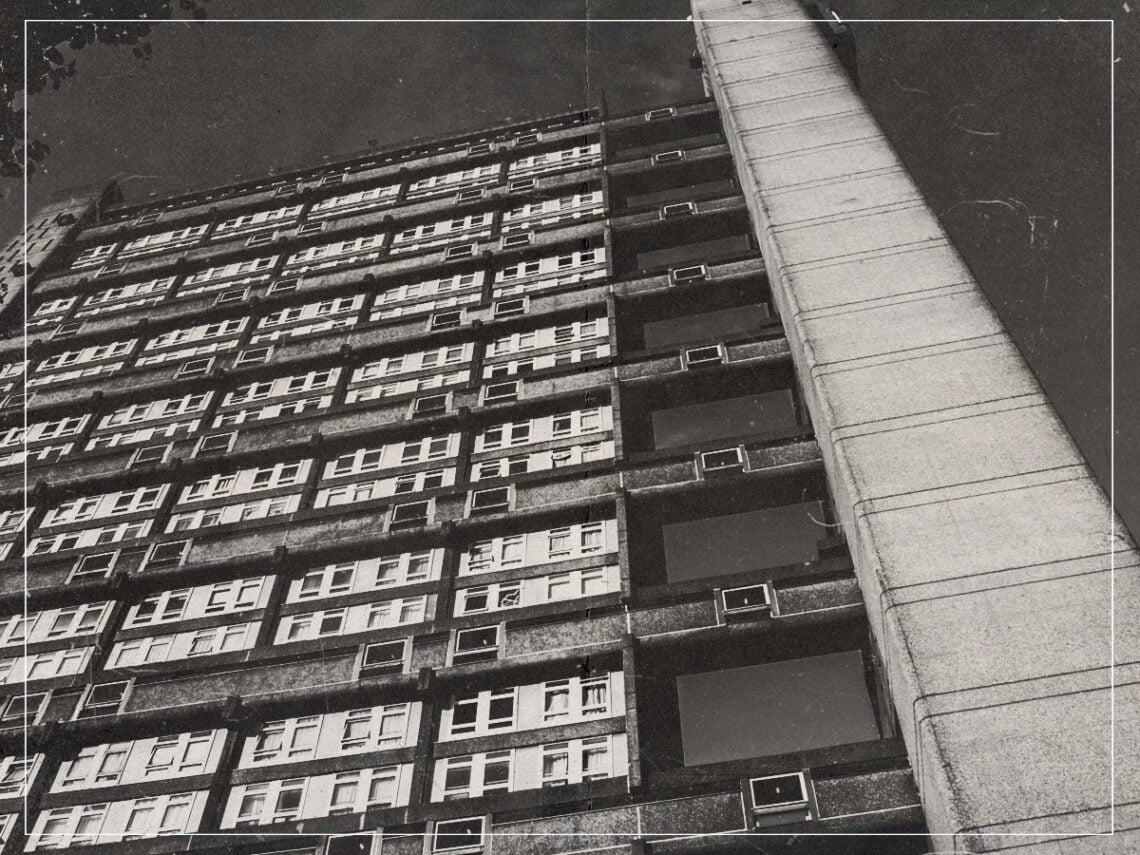
The towering presence of brutalist architecture

The commonplace imposing grey seen in post-war architectural style has given rise to much debate. Either loved – the “I Appreciate Brutalist Architecture On A Spiritual Level” Facebook group comes to mind – or loathed, the movement once signalled societal change but is now considered soulless and uninspiring. Brutalist structures are characterised by their height, masses of concrete and generally depressing demeanour, pioneered in Britain following restoration efforts after World War Two.
The focus was on the utility and strength of materials. This was primarily due to the shockingly low oil prices, which meant mass concrete and steel production suddenly became more accessible on massive public building projects. Social purpose and functionality were at the forefront of the movement. Structures people now perceive to be an eyesore, the highrise tower blocks lining London, for instance, eschewed any aesthetic beauty in favour of scale.
Back in 2016, they proved so divisive that government transport minister John Hayes effectively declared war on them, calling them “aesthetically worthless” evidence of the “cult of ugliness” that had overtaken British architecture. As with most debates about Britain, the consensus is split. There’s an unmistakable class paradigm to the argument. When the brutalist council estates were set to be demolished, many argued that it was an insult to the post-war commitment to social mobility. Their association with crime is tenuous and, again, smacks of classism.
One brutalist institution that was slated for redevelopment in 2021 was the 31-storey West London behemoth, Trellick Tower. It’s a cultural staple that has been featured in music videos by Blur and the cover of Gorillaz EP Meanwhile, not to mention a host of films and books centred in London. However, it was also dubbed the “Terror Tower” for its history of crime and crumbling facade, which was permanently covered in graffiti.
Its architect, Erno Goldfinger, was universally blamed for this, although he died before it could be restored. But it was designed in an earnest attempt to remedy the outdated Victorian social housing. When creating the similar Balfron tower, Goldfinger had moved into flats throughout the process to see what they’d be like for residents, inviting them around for house parties and creating a space for tenants to share their grievances.
His tower might have lacked conventional beauty, but he fulfilled the far more important aim of providing housing to lower-income communities. To say the building itself was a magnet for crime is to deny the simple and obvious fact that there were more complicated social issues at play.
The initial spirit of brutalist architecture is perhaps best summed up by Goldfinger, who once said: “The whole object of building high is to free the ground for children and grown-ups to enjoy Mother Earth and not to cover every inch with bricks and mortar.”
